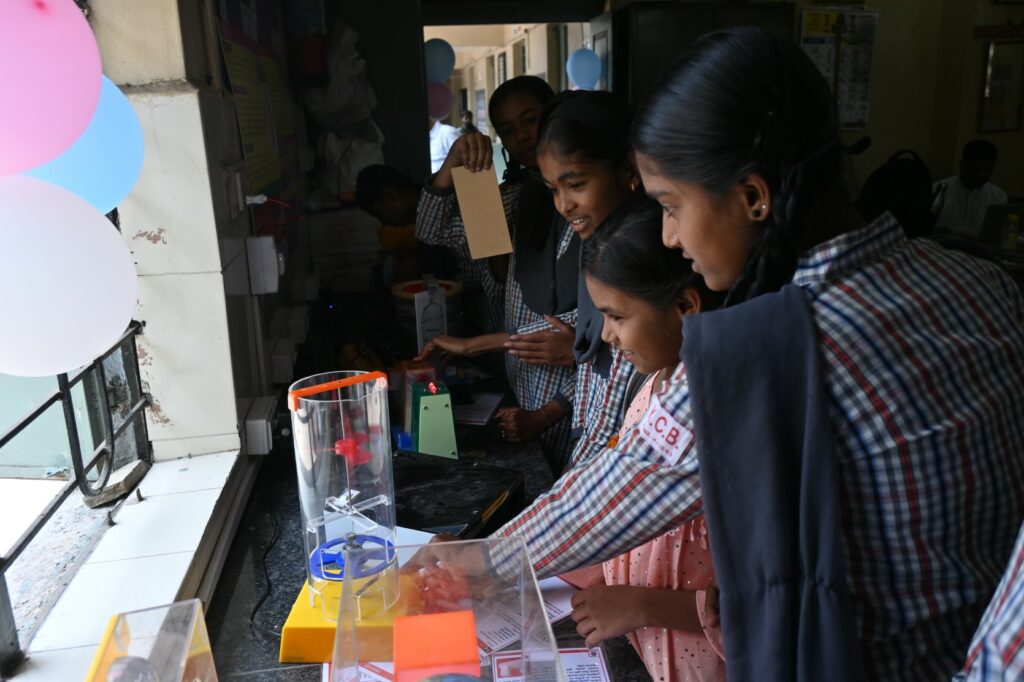
5 Benefits of Extracurricular Activities for Girls’ Personal and Academic Growth
Summary/TL;DR on Benefits of Extracurricular ActivitiesExtracurricular activities are essential for the transformation of girls' lives, particula....
Read More
Menstrual Hygiene Day is observed every year on 28 May to raise awareness about periods and the challenges many girls face. In India, this day is especially important because many girls still struggle with stigma, lack of access, and limited awareness. About Menstrual Hygiene Day, it is not just about health but also about dignity, confidence, and equal opportunities. At CRY India, we see this day as a chance to remind everyone that no girl should feel held back because of a natural process.
World Menstrual Hygiene Day is a global movement that brings together organisations, communities, and individuals to talk openly about menstruation. It focuses on making sure that girls and women have access to proper hygiene products, education, and safe spaces. The aim is to remove shame and ensure that menstruation is treated with understanding and respect.
28 May, Menstrual Hygiene Day, has become a powerful symbol for raising awareness across the world. Each year, this date helps bring attention to the challenges girls face during their periods. It is a day when people speak up, share experiences, and push for better policies so that no girl is held back because of menstruation.
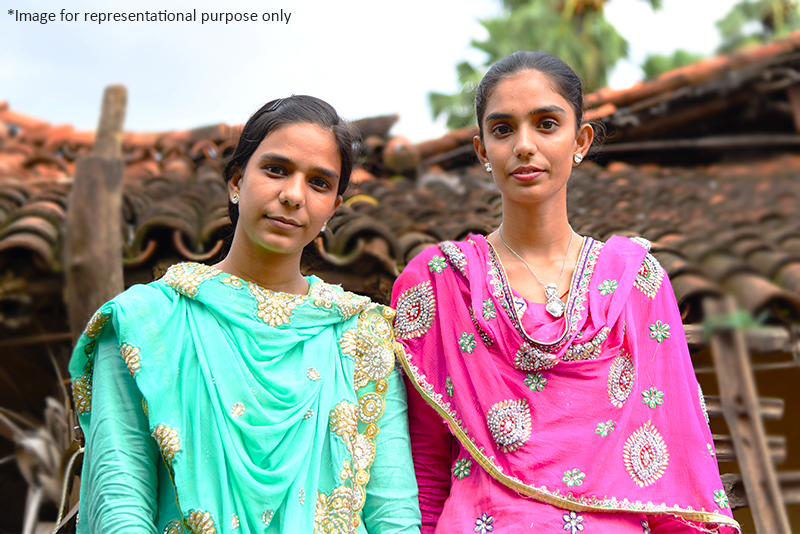
International Menstrual Hygiene Day began in 2014 with the support of WASH United. It started with a small number of partners but has grown into a global movement with over a thousand organisations involved. Over the years, it has helped bring menstrual health into public conversations and made it an important issue worldwide.
The movement now focuses on creating a period-friendly world where menstruation is normalised. The goal is to remove taboos and ensure that girls have the support they need. About Menstrual Hygiene Day, its significance lies in building awareness, improving access, and creating a society where girls can live freely without fear or shame.
In India, many girls still face difficulties when it comes to menstrual health. Social norms often make it hard to talk openly about periods. Even though awareness is growing, there is still a long way to go to ensure that every girl feels safe and supported during her cycle.
In rural areas, many girls do not have access to basic menstrual products. Period poverty is not just about affordability but also about the lack of clean water and proper toilets. Without these essentials, girls often feel embarrassed and uncomfortable, which affects their daily lives.
Many girls grow up hearing that menstruation is something to hide. These beliefs stop them from asking questions or seeking help. The use of code words instead of saying the word period adds to the silence. Breaking these myths is important to help girls feel confident and informed.
Also Read: Benefits of Extracurricular Activities
Lack of proper facilities and awareness affects girls’ education directly. Many girls miss school during their periods because they do not feel safe or comfortable. This leads to gaps in learning and affects their confidence over time.
When girls continue to miss school, some eventually drop out. This increases the risk of early marriage and limits their future opportunities. Period shame can therefore have long term effects on a girl’s life and independence.
Also Read: Period Shaming
The government has taken steps to improve menstrual health through various programmes. These efforts focus on awareness, access to products, and improving school facilities. Working with partners helps these initiatives reach more girls across the country.
Schemes like Suvidha and Udaan aim to make sanitary products more accessible to girls. The Supreme Court has also highlighted the need for better menstrual support in schools. These steps are part of a wider effort to ensure that girls can continue their education without barriers.
Ending period shame requires simple but consistent efforts. Awareness, access, and support all play an important role in helping girls feel confident and safe.
Education helps remove fear and confusion. Teaching both boys and girls about menstruation builds understanding and reduces stigma. It also helps girls take better care of their health.
Talking openly about periods helps normalise the topic. Families, schools, and communities need to create safe spaces where girls can speak without hesitation. Using the word "period" openly is a small but important step.
Girls need easy access to affordable and safe hygiene products. When they have what they need, they can go about their daily lives without worry or discomfort.
Schools must have clean toilets, water, and proper disposal systems. A safe environment ensures that girls do not have to miss classes during their periods and can continue learning with confidence.
Also Read: Female Infanticide
CRY India works closely with communities to improve menstrual health awareness and access. The focus is on helping girls stay in school and creating supportive environments where they can thrive without fear or shame. Support Girl education through CRY India and help children stay in school, learn well, and dream big.
Through the #LetsTalkAboutPeriods campaign, CRY India has reached over 10 crore people. The campaign encourages open conversations and challenges harmful beliefs. It also helps schools improve facilities and supports communities in understanding menstrual health better. Let’s end period shame together. Donate now!
World Menstrual Hygiene Day was started in 2014 by WASH United. It began with a small group of partners but has now grown into a global movement. Today, it reaches millions of people each year and continues to raise awareness about menstrual health worldwide.
Many people believe that menstruation is unclean or should be hidden. Girls are often told not to take part in daily activities during their periods. These myths create fear and shame. Educating communities and encouraging open discussion can help change these beliefs.
Schools can support girls by providing clean toilets, water, and disposal facilities. They should also include menstrual education in their lessons and ensure that girls feel safe and supported. Access to emergency sanitary products can also make a big difference.
You can support organisations like CRY India by donating or volunteering. Your support helps provide hygiene products, improve school facilities, and spread awareness. Even a small contribution can help ensure that every girl can manage her period with dignity and continue her education confidently.
Summary/TL;DR on Benefits of Extracurricular ActivitiesExtracurricular activities are essential for the transformation of girls' lives, particula....
Read More
Summary/TL;DR on Period ShamingIn India, menstruation is encumbered by societal taboos, leading to feelings of shame and confusion among girls. T....
Read More All our efforts are made possible only because of your support
 Your donations are tax exempted under 80G of the Indian Income Tax Act
 Your donation transactions are completely safe and secure


Spread the word on social media and join the movement to raise awareness about the importance of girls completing their education.


Spread the word on social media and join the movement to end the shame around periods. #LetsTalkAboutPeriods