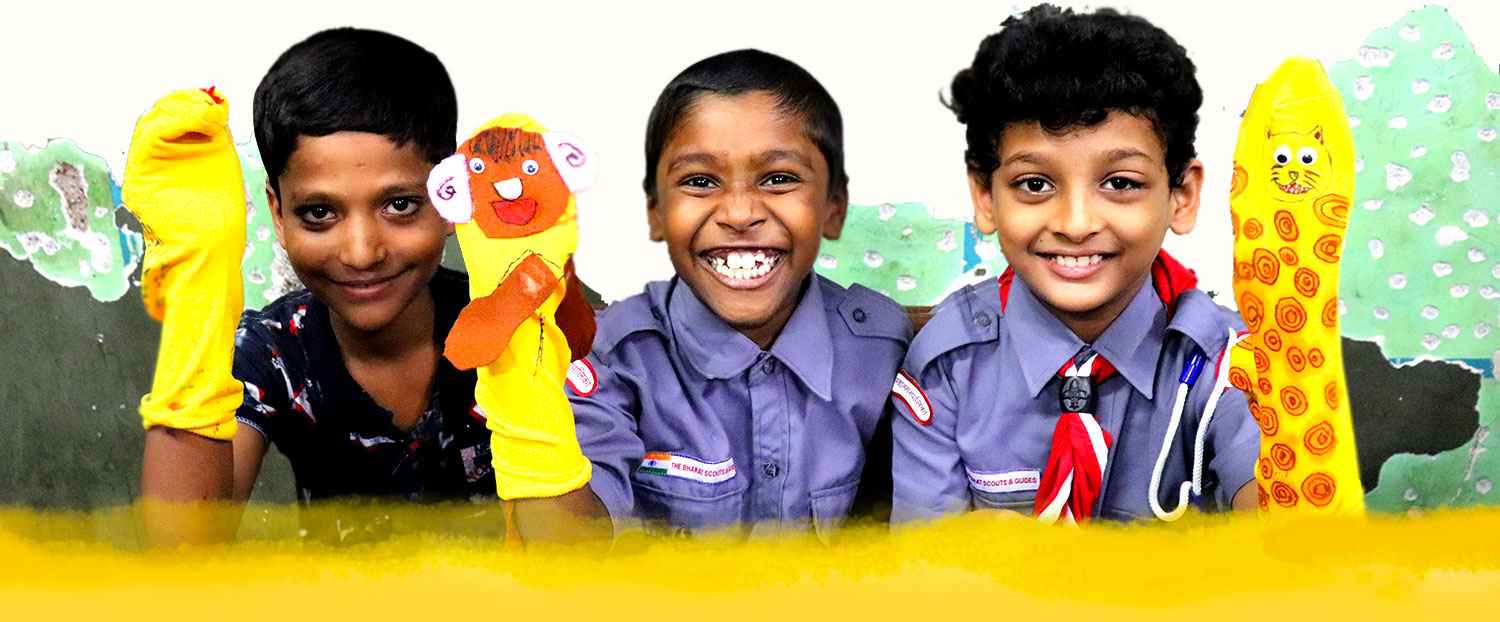
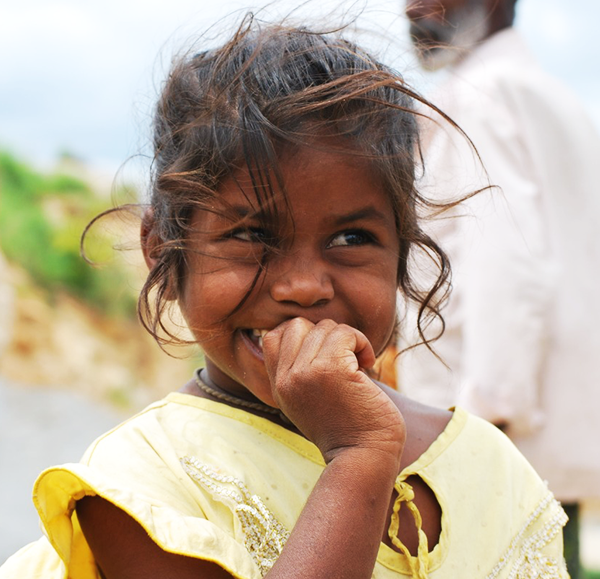

They say that childhood is the best time of our lives. A time of love and laughter, of being pampered, of learning and discovering where our own particular strengths lie. Unfortunately, for a whole lot of Indian children, the harsh reality of childhood is quite different. These children help support their families, doing agricultural labour or working in homes or hazardous industries. They are commercial sex workers and bonded labourers. They constantly battle the storms of hunger and disease, are denied basic education and healthcare, and face an unrelenting struggle to lead a life of dignity.
Government figures, which traditionally understate the problem, admit to there being 17 million child labourers in India. Unofficially, the figure is believed to be 100 million. Some industries - hand -knotted carpets, gemstone polishing, brassware, glass, footwear, construction, textiles, silk, fireworks - are especially guilty of using child labour. They prefer children because they have deft fingers, they are not unionised, they can be bullied easily, and they cost a pittance. The working conditions often result in debilitating diseases.
For the past 29 years, CRY has been supporting grassroots-level NGOs that work with children and communities to ensure that all Indian children get the 4 basic rights guaranteed to them by the United Nations Charter of Child Rights, 1992*:
- Right to Survival - tolife,health,nutrition, name, nationality
- Right to Protection - from exploitation, abuse, neglect
- Right to Development - to education, care, leisure and recreation
- Right to Participation - to expression, information, thought, religion
India is a signatory to this Charter
Are you among the thousands of middle-class Indians who unwittingly support child labour without realising it? Find out