Social Skills for Children: Why They Matter and 10 Simple Activities to Build Them
Introduction to Social skills for childrenChildren grow and learn not only through books and lessons but also through everyday interactions with ....
Read More
India’s most vulnerable children often come into contact with the justice system not because they are criminals, but because of poverty, neglect, and systemic failure. The Juvenile Justice Act seeks to protect their rights while prioritising care, reform, and social reintegration. Its effective implementation is crucial to breaking cycles of abuse and exclusion.
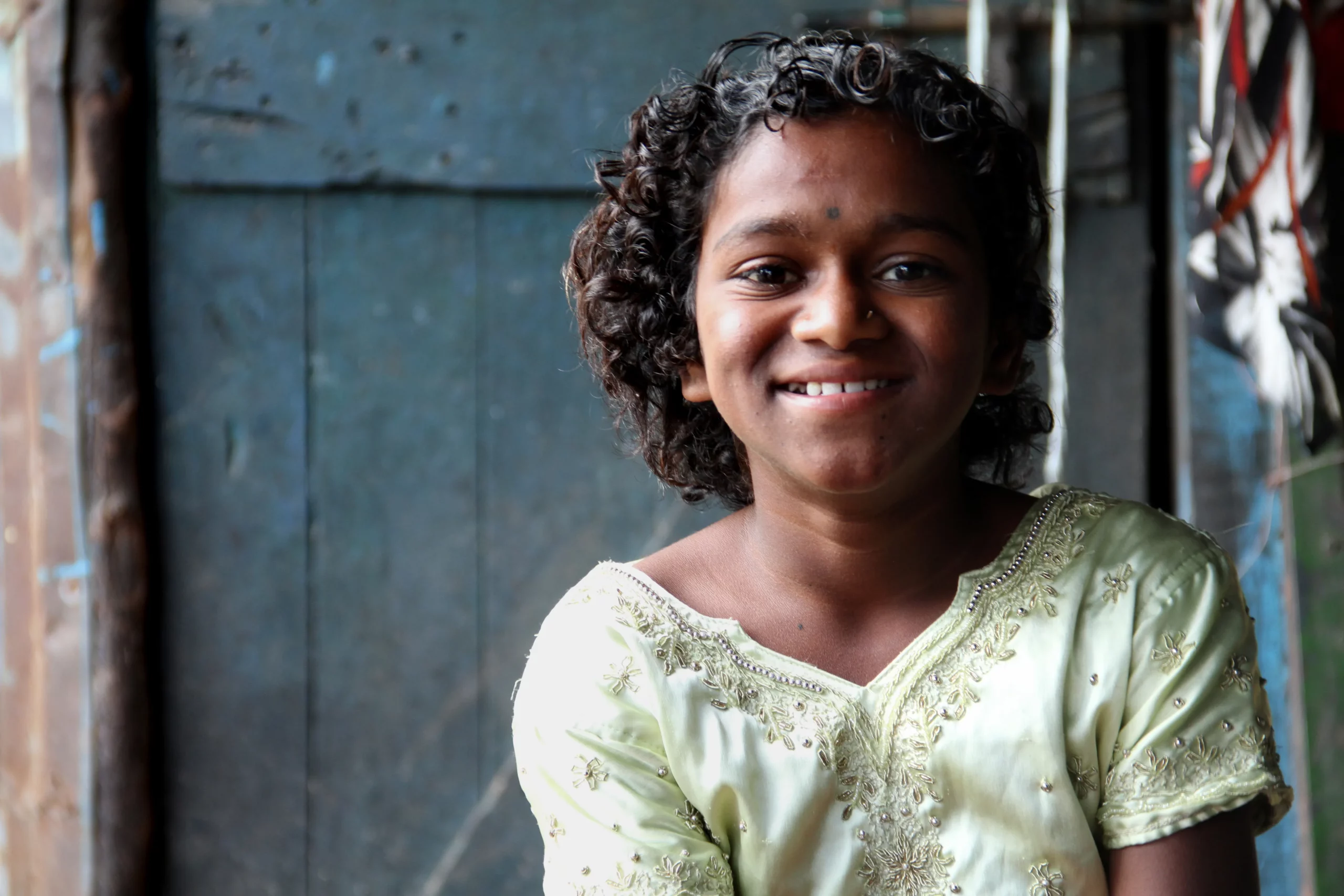
The Juvenile Justice Act is the legal backbone for child protection in India. It defines a "child" as any person below the age of 18. The law recognises that children lack the mental and emotional maturity of adults. Therefore, they should not be held to the same standards of criminal responsibility. The Act creates two specific categories: Children in Conflict with Law (CICL) and Children in Need of Care and Protection (CNCP). This ensures that both young offenders and those facing neglect or abuse receive tailored support.
The Juvenile Justice Act 2015 replaced the older 2000 version to address modern challenges. It is a landmark because it aligns India’s domestic laws with the United Nations Convention on the Rights of the Child (UNCRC). This shift moved the needle from punitive justice to a rights-based, child-centric approach. It introduced a more structured way to handle serious crimes while still prioritising the child’s well-being and future development.
For India’s marginalised children, the Act is often the only thing standing between them and a life of exploitation. Many children entering the system come from low-income families, broken homes, or the streets. Studies and government data consistently show that a majority of children in conflict with the law come from economically vulnerable households, where poverty, lack of education, and unstable family environments play a significant role.. The Act acknowledges that socio-economic factors, rather than inherent criminal intent, often drive these children toward unlawful acts. It provides a safety net that treats them as victims of their circumstances rather than just offenders.
The law ensures that children are not subjected to the harsh environment of adult prisons. Instead, it uses specialised bodies like Juvenile Justice Boards (JJBs) to assess cases with sensitivity. The focus is on restorative justice. This means the system looks for ways to repair the harm caused and reintegrate the child into society. It strictly prohibits the death penalty or life imprisonment without the possibility of release for juveniles.
Also Read: Cyber Crime Against Children
The Juvenile Justice Act 2015 India introduced major reforms to balance child rights with public safety. It focuses on accountability, protection, and rehabilitation for vulnerable children.
Reforms and Updates in the 2015 Amendment
The Juvenile Justice Act 2015 India allows 16–18-year-olds to be tried as adults for heinous crimes after a JJB assessment, classifying offences as petty, serious, or heinous.
Protection and Rehabilitation of Juveniles
Under the Juvenile Justice Act 2015 India, bail is the norm, CWCs operate in every district, and non-institutional care like adoption and foster care is prioritised over institutionalisation.
Also Read: Prohibition of Child Marriage Act 2006
The gap between law and reality is wide. India continues to face a severe shortage of functional Special Homes, with many districts lacking adequate facilities for children under the juvenile justice system. Many existing facilities lack basic amenities like proper sanitation, nutritious food, and healthcare. There is also a severe shortage of trained staff. These shortages lead to massive delays, with 73% of cases facing disposal delays. For a child, a delayed trial means months or years spent in limbo, which can be deeply traumatising.
Also Read: Child Labour Amendment Act 2016
Rehabilitation is the ultimate goal. The system uses Observation Homes and Special Homes to provide education, vocational training, and psychological counselling. The idea is to turn young offenders into law-abiding citizens. Aftercare institutions also exist to help children transition back into society once they turn 18. However, the success rate of these programmes is mixed due to resource gaps. Follow-up and long-term rehabilitation remain weak, with many children receiving little support once they leave institutional care, highlighting the urgent need for stronger community-based systems.
Also Read: Child Labour Act
CRY India has been at the forefront of the fight for child rights for over four decades. They work on the ground to address the root causes that lead children into the justice system, such as poverty and lack of education. By impacting over 4.7 million lives, CRY helps ensure children stay in school and are protected from child labour and marriage.
CRY works with parents, teachers, and local governments to create a sustainable environment where a child’s rights are respected. Their efforts in project areas have shown incredible results, with 95% of children aged 6-18 currently in school. By supporting NGOs like CRY, you can help strengthen the "shield" of the Juvenile Justice Act. This ensures that every child, regardless of their past, has the chance to reach their full potential.
Support child education through CRY India and help children stay in school, learn well, and dream big.
Marginalized children face challenges such as lack of legal awareness, inadequate rehabilitation facilities, social stigma, delayed justice, and uneven implementation across states. Poverty, homelessness, and weak support systems often push children into conflict with the law.
The Act can be strengthened by improving infrastructure, training child welfare officials, ensuring timely case disposal, expanding mental health services, and increasing community-based rehabilitation. Stronger monitoring and better coordination between government agencies and NGOs are also essential.
Children have the right to dignity, legal representation, speedy inquiry, bail as a rule, privacy, and rehabilitation. The Act ensures children are treated as individuals needing care and reform, not as criminals, regardless of their offence.
The Act mandates counselling, psychological assessments, and rehabilitation plans tailored to each child. By promoting family-based care, education, and skill development, it supports emotional well-being and reduces the risk of reoffending.
Introduction to Social skills for childrenChildren grow and learn not only through books and lessons but also through everyday interactions with ....
Read More
Every child deserves a safe childhood — a chance to learn, play, and grow without fear. The Protection of Child Rights Act and related laws aim to ....
Read More All our efforts are made possible only because of your support
 Your donations are tax exempted under 80G of the Indian Income Tax Act
 Your donation transactions are completely safe and secure


Spread the word on social media and join the movement to raise awareness about the importance of girls completing their education.


Spread the word on social media and join the movement to end the shame around periods. #LetsTalkAboutPeriods