World Environment Day 2026 is more than just a date on the calendar, it is a global reminder that protecting the environment is directly linked to our future, especially for children. In a country like India, where millions of children grow up facing challenges such as pollution, unsafe water, and climate-related risks, this day carries even greater significance.
It is not just about planting trees or sharing messages online. It is about building awareness, changing habits, and ensuring that the next generation grows up in a cleaner, safer, and healthier environment.
World Environment Day is celebrated every year on 5th June across the world. It brings together governments, organisations, schools, and individuals to take action for environmental protection.
Each year, a different country hosts the global celebrations, highlighting specific environmental concerns. However, the core idea remains the same, encouraging people everywhere to take small but meaningful steps towards a greener planet.
The reason 5th June was chosen goes back to 1972, when the United Nations held the first major conference on the environment in Stockholm. This marked the beginning of global discussions on environmental protection.
To honour this milestone, the day was officially declared World Environment Day. Since then, it has grown into one of the largest environmental awareness movements in the world, encouraging people to act, not just talk, about protecting nature.
Every year, World Environment Day is guided by a specific theme that highlights a pressing environmental issue. While the exact theme for World Environment Day 2026 may vary depending on global priorities, it typically focuses on areas like climate change, pollution, biodiversity, or sustainable living.
These themes are not just symbolic. They shape campaigns, school activities, government initiatives, and community programmes. The goal is simple, help people understand the problem clearly and inspire them to take practical action.
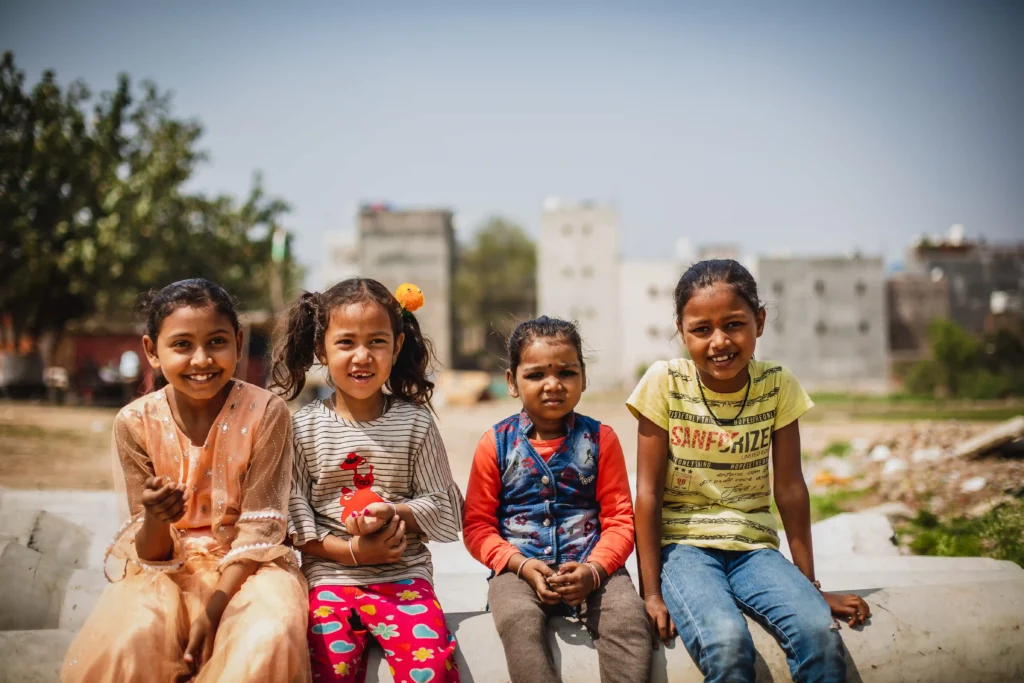
For children in India, environmental issues are not distant problems, they are part of daily life. From polluted air in cities to water shortages in rural areas, the impact is immediate and real.
Air pollution is one of the biggest threats to children’s health. Poor air quality can affect lung development, increase respiratory illnesses, and reduce overall immunity.
Climate change affects agriculture, which directly impacts food availability. This can lead to poor nutrition, especially in vulnerable communities where children are already at risk.
Safe drinking water and proper sanitation are still not accessible to all. This increases the risk of disease and affects children’s growth and development.
Education plays a key role. When children understand environmental issues early, they are more likely to adopt sustainable habits and influence others around them.
Also Read: Understanding Children's Right to Health in India
India has taken several steps to address environmental challenges. From large-scale cleanliness drives to renewable energy projects, the country is moving towards a more sustainable future.
Policies focusing on reducing plastic use, promoting solar energy, and improving sanitation have gained momentum. Campaigns like Swachh Bharat have also helped raise awareness about cleanliness and hygiene.
Organisations like CRY (Child Rights and You) are playing an important role at the grassroots level. They work directly with children in underserved communities, helping them understand environmental issues in a practical way.
CRY uses simple and engaging methods, like workshops, activities, and community campaigns, to teach children about recycling, reducing waste, and protecting their surroundings. Children also participate in street plays and awareness drives, spreading messages within their communities.
What makes this approach powerful is that it builds confidence. Children are not just learning, they are speaking up, taking initiative, and becoming “green changemakers” in their own neighbourhoods.
CRY also connects environmental awareness with hygiene through its WASH programmes, helping children understand how clean surroundings, safe water, and sanitation are all linked.
Celebrating Happy World Environment Day 2026 does not require big gestures. Small, consistent actions can make a real difference.
Here are some easy and practical ways you can contribute:
Every small step counts. When these actions come together, they create a ripple effect that can lead to lasting change.
Also Read: Importance of Basic Hygiene Education for Underprivileged Children
Despite progress, India continues to face serious environmental challenges. Rapid urbanisation has increased pollution levels in many cities. Waste management remains a major issue, with plastic waste being a significant concern.
Water scarcity is another growing problem, especially in rural areas. Climate change is making weather patterns unpredictable, affecting agriculture and livelihoods.
The biggest challenge, however, is balancing development with sustainability. Economic growth is essential, but it must not come at the cost of environmental damage.
World Environment Day 2026 is a reminder, but the responsibility does not end on 5th June. Real change happens when environmental care becomes part of everyday life. For India’s children, this is especially important. A healthier environment means better health, better education, and a stronger future.
If individuals, communities, and organisations continue to work together, every day can truly become a step towards a cleaner and greener world.
Also Read: Disease Prevention in Kids Through Education
The official theme for World Environment Day 2026 is usually announced closer to the date. It typically focuses on urgent global issues like climate change, pollution, or biodiversity, guiding awareness campaigns and activities worldwide.
It is celebrated on 5th June to mark the 1972 United Nations Conference on the Human Environment. This event started global conversations about environmental protection and led to the creation of this awareness day.
Children can take part in simple activities like planting trees, reducing waste, creating awareness posters, and joining school or community events. Programmes run by organisations like CRY also encourage children to lead awareness campaigns.
India plays an active role by promoting renewable energy, reducing plastic use, and participating in global climate agreements. It also runs national programmes focused on sustainability and environmental awareness.
 All our efforts are made possible only because of your support
 Your donations are tax exempted under 80G of the Indian Income Tax Act
 Your donation transactions are completely safe and secure


Spread the word on social media and join the movement to raise awareness about the importance of girls completing their education.


Spread the word on social media and join the movement to end the shame around periods. #LetsTalkAboutPeriods