5 Benefits of Extracurricular Activities for Girls’ Personal and Academic Growth
Summary/TL;DR on Benefits of Extracurricular Activities Extracurricular activities are essential for the transformation of girls' lives, particula....
Read More
Gender inequality in India stems from poverty, child marriage, lack of education, poor healthcare, and patriarchal norms. These root causes of gender inequality intensify gender issues in India, limiting girls’ access to education, healthcare, and leadership roles. CRY works to empower girls by promoting education, raising awareness, and ensuring equal opportunities for a brighter future.
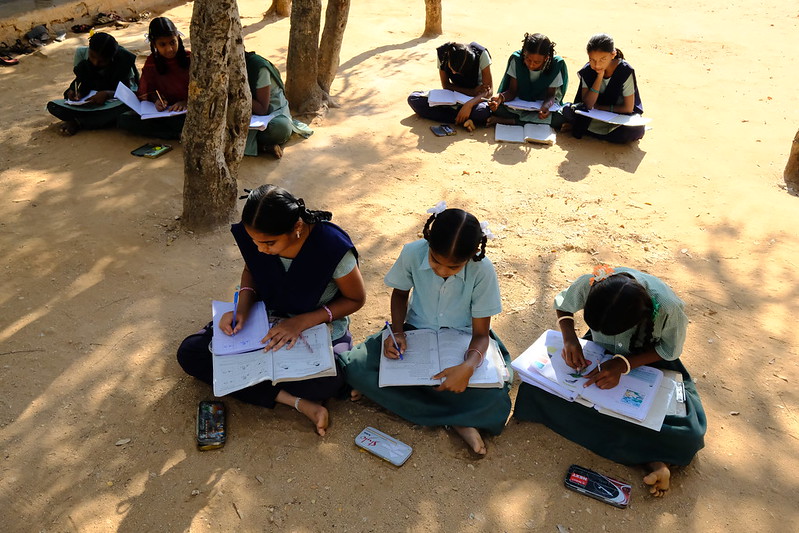
Gender inequality is the unequal treatment or perception of people because of their gender. This inequality usually results from societal norms and deeply ingrained prejudices, in which one gender is held above the other, most frequently, discrimination against women and girls.
Examples of gender inequality:
1. Girls being excluded from education
2. Unequal pay for a man and a woman performing the same work
3. Fewer women in leadership positions in politics or business
Gender inequality in India is not only a women's problem; it impacts children, families, and communities by depriving equal opportunities and basic rights.
Invest in Girl Child Education
Undoubtedly, gender discrimination in society is a grave concern, and a host of personal, societal, and cultural aspects are at the core of this development. Our experts have found several causes of gender inequality in India, and some of them are discussed here:
Poverty stands as one of the primary causes of gender inequality in India. According to the World Bank, approximately 70% of the world's impoverished population is female. Poverty restricts access to education, healthcare, and economic opportunities, thereby reinforcing a vicious cycle.
Child marriage is another alarming aspect of gender inequality, disproportionately affecting girls. UNICEF estimates that 12 million girls are married before the age of 18 every year. Such practices hinder their personal development and perpetuate gender disparity across generations.
Lack of education is one of the key causes of gender inequality that significantly exacerbates the problem. UNESCO reports that 132 million girls are out of school globally, with less access to learning opportunities than boys. Right to education is crucial in empowering girls to make informed choices, pursue careers, and challenge societal norms.
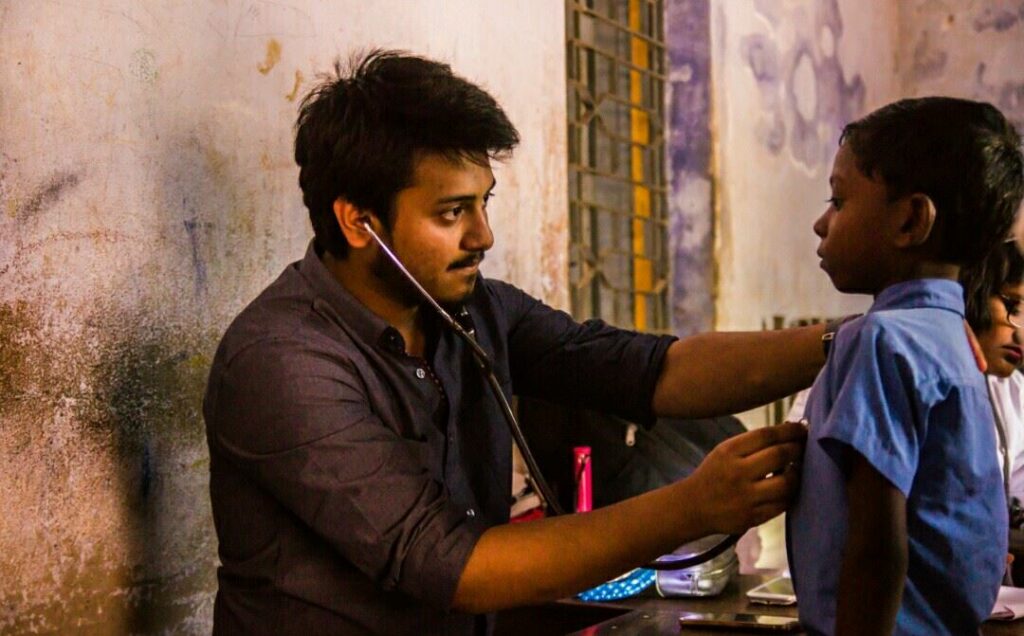
Poor medical health also plays a pivotal role in maintaining gender discrimination in society. In regions with inadequate healthcare facilities, girls face higher maternal mortality rates, limited access to family planning, and health-related biases. These health gaps are among the significant causes of gender discrimination that hold back girls’ development.
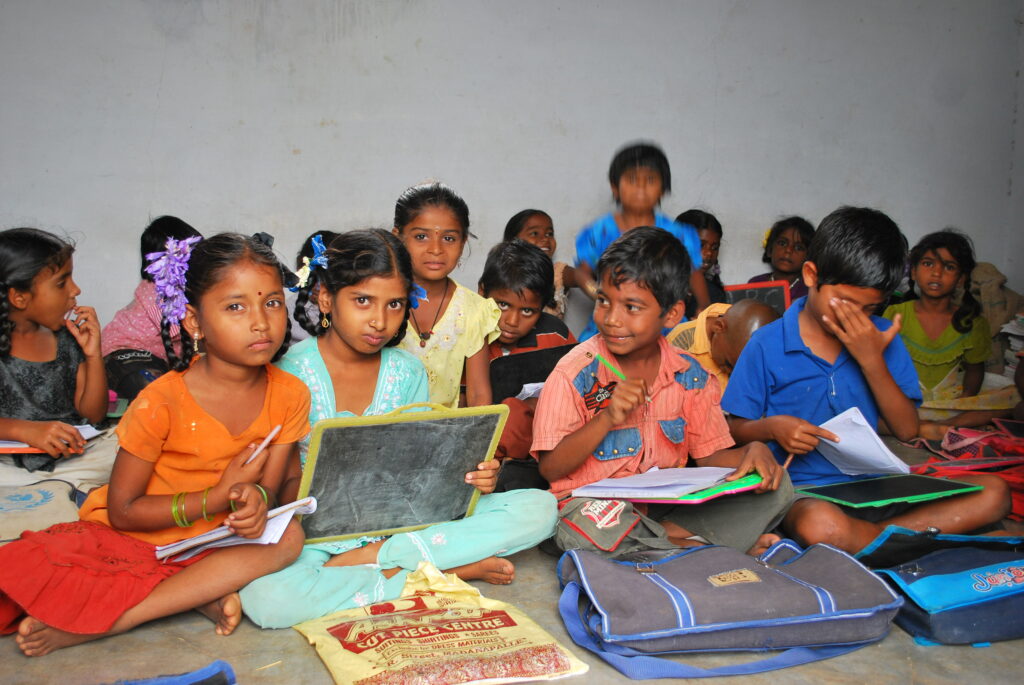
Lack of awareness and ingrained patriarchal norms further contribute to gender inequality. When societies perpetuate gender stereotypes and discrimination, it becomes challenging to break free from the shackles of inequality.
Patriarchal norms hold back many girls from striving for their dreams by receiving a quality education, medical facilities and overall awareness for their well-being.
To address gender inequality effectively, we must tackle these interconnected causes of gender inequality and work towards establishing sustainable change patterns that will successfully eradicate this vicious cycle of gender inequality.
Also Read: Gender Inequality in Education in India
Gender issues in India today remain deeply embedded and widespread across many spheres of life. Gender-based violence, including domestic abuse and harassment, continues to threaten safety and dignity. Female literacy and school retention are still lower in rural areas, preventing girls from achieving their potential. There is a pronounced employment gap: women often receive unequal pay and face barriers to formal job opportunities. Healthcare inequality also persists, with many girls and women lacking access to essential services, making this a persistent barrier to progress. Furthermore, political underrepresentation and son preference remain problems. These gender issues in India reflect systemic bias that limits equality.
Gender Issues in India Today
Although the terms are used interchangeably most of the time, there is a difference between gender discrimination in India and gender inequality.
Gender Inequality
A systematic imbalance of rights, duties, or chances based on gender - Fewer women in authority
Gender Discrimination
A particular act of gender-based unfair treatment - A female student was denied admission to school simply because she's a girl.
Briefly, gender discrimination in India represents individual acts or behaviors, whereas gender inequality reflects the broader social situation that permits such behaviors to perpetuate.
Gender inequality affects children, families, and communities by limiting equal access to education, healthcare, nutrition, and opportunities. In many parts of India, girls still face early marriage, school dropouts, and unequal treatment compared to boys. Understanding what is gender inequality in India is important because it directly impacts children’s wellbeing and future opportunities. Unequal access to education remains one of the most common examples of gender inequality in India. Gender equality is important for society because it creates stronger families, healthier communities, and better economic growth. Reducing inequality can help children grow in safer, healthier, and more supportive environments. Common examples of gender inequality in India include child marriage, unequal access to education and healthcare, gender stereotypes, unequal distribution of care responsibilities, and barriers that affect girls’ participation and opportunities. Organizations like CRY America continue supporting education, awareness, and child protection initiatives to ensure children, especially girls, can learn, grow, and thrive in safer and more equal environments.
India has made progress in promoting girls’ education and women’s empowerment, but stronger efforts are still needed to reduce inequality. Education plays a major role in creating change by giving girls confidence, independence, and better opportunities for the future. Safe schools, equal learning opportunities, and community awareness can help challenge harmful stereotypes and discrimination.
We, at CRY, have been working towards bridging the gap and ensuring that young girls across India receive essential resources that help improve their mental, physical, and emotional development. Discrimination issues in India are deep-rooted and practiced for generations, and that is why they require long-term intervention, which we have been providing to underserved communities across India.
CRY aims to create a world where the girl child is celebrated and has access to equal opportunities to study, grow, and prosper as her male counterpart. Achieving gender equality in India is central to this mission.
CRY’s efforts to bring about a change in this situation include:
Be it education, health, protection, or participation, all girls deserve equal opportunities and an empowering environment to thrive. You can help CRY reach out to more girls and help make a difference in their lives to ensure they lead happier and healthier childhoods. Donate now to help promote the rights of young girls and address gender inequality in India.
While there are various factors for gender inequality in India, poverty stands as one of the primary drivers. It restricts access to education, healthcare, and economic opportunities for girls and women, thereby reinforcing a vicious cycle of discrimination. Child marriage is another alarming aspect that disproportionately affects girls, hindering their personal development and perpetuating gender disparity across generations. Moreover, lack of education and poor medical health deprives girls of the knowledge and resources to challenge societal norms and make informed choices.
Gender inequality limits girls’ access to education, healthcare, and opportunities, often pushing them into early marriage and low-paid work. This restricts their potential, reduces independence, and keeps them trapped in poverty. Without equal opportunities, many girls are denied the chance to shape their own futures.
When girls have equal access to education, they gain confidence, knowledge, and skills to participate fully in society. Education delays child marriage, increases economic independence, and challenges stereotypes. Promoting girls’ education ensures fairer opportunities, helping to break cycles of inequality and build stronger, more inclusive communities.
Gender inequality reduces women’s participation in the workforce, leading to lost productivity and economic potential. Unequal pay and limited opportunities prevent families and communities from improving their standard of living. Closing the gender gap could significantly boost India’s growth, creating a stronger and more balanced economy.
Deep-rooted patriarchal norms, son preference, child marriage, dowry traditions, and restrictions on women’s mobility reinforce gender inequality. These cultural attitudes undervalue girls’ education and opportunities, limiting their freedom and choices. Changing these norms through awareness, education, and empowerment is essential to achieving gender equality in India.
Gender inequality in India refers to unequal treatment and opportunities based on gender. Girls and women often face discrimination in education, healthcare, employment, and decision-making, limiting their rights and opportunities.
Gender equality helps create healthier families, stronger communities, better economic growth, and equal opportunities for everyone. When girls and women are empowered, society benefits socially, economically, and culturally.
Gender inequality can lead to poor education, emotional stress, financial hardship, limited healthcare access, and unsafe environments for children and families, especially for girls in vulnerable communities.
Education can help girls access knowledge, build confidence, and expand future opportunities while contributing to greater participation in decisions affecting their lives. It also helps challenge stereotypes and promotes equal participation in society and decision-making.
Common examples include unequal access to education, child marriage, unequal pay, poor healthcare access for girls, lower leadership representation, and restrictions on opportunities for women and girls.
Summary/TL;DR on Benefits of Extracurricular Activities Extracurricular activities are essential for the transformation of girls' lives, particula....
Read More
Summary/TL;DR on Period Shaming In India, menstruation is encumbered by societal taboos, leading to feelings of shame and confusion among girls. T....
Read More All our efforts are made possible only because of your support
 Your donations are tax exempted under 80G of the Indian Income Tax Act
 Your donation transactions are completely safe and secure


Spread the word on social media and join the movement to raise awareness about the importance of girls completing their education.


Spread the word on social media and join the movement to end the shame around periods. #LetsTalkAboutPeriods