Children and Social Media: Staying Safe from Online Risks
Social media is now a regular part of many children's lives, helping them learn, connect and have fun. However, it also brings risks such as bullying....
Read More
The importance of inclusive education lies in offering equal learning opportunities to all children, regardless of background or ability. It fosters empathy, diversity, and collaboration. The need for inclusive education is seen in how it supports emotional well-being, academic growth, and a sense of belonging. By working together, teachers, parents, and specialists create a safe, respectful space where every child can thrive and reach their full potential.
Education is a fundamental right for every child, regardless of their abilities, background, or learning differences. Inclusive education ensures that all students, including those with disabilities or special needs, receive equal learning opportunities in mainstream classrooms. Inclusive schooling paves the way for a more accepting and progressive society by fostering an environment where diversity is embraced.
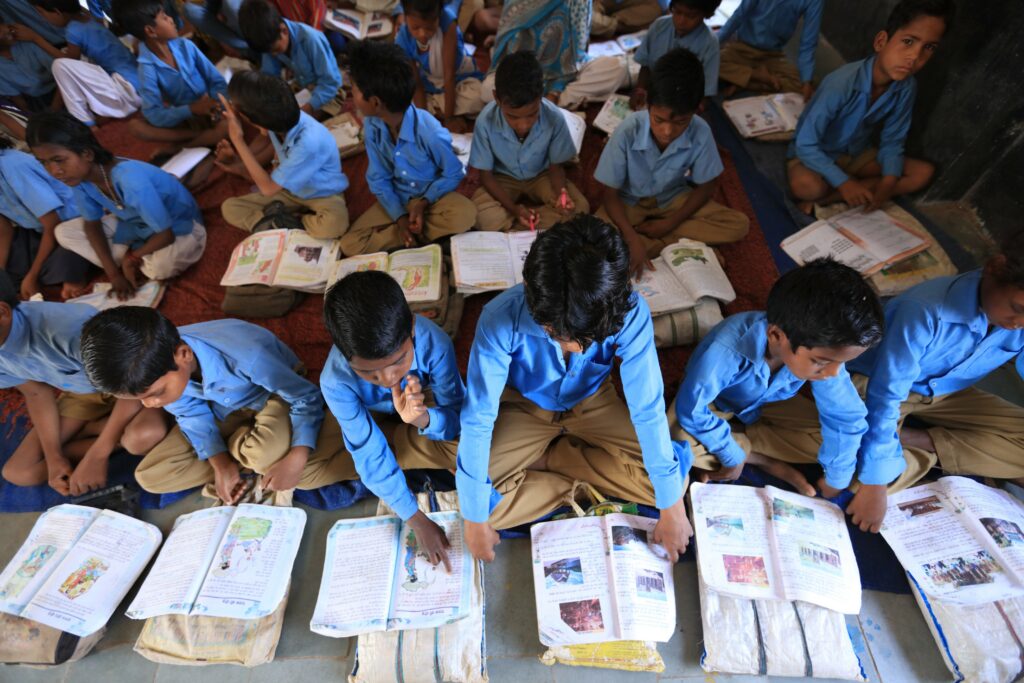
Inclusive education means integrating students of all abilities into the same learning environment, ensuring they have access to quality education and necessary support. Instead of isolating children based on their physical, cognitive, or emotional differences, inclusive education promotes a system where every child learns together, fostering mutual respect and collaboration.
Inclusive culture helps students appreciate differences and develop empathy toward their peers. By interacting with classmates from diverse backgrounds, children learn to respect and celebrate each other’s unique abilities, cultures, and perspectives.
Being in an inclusive classroom allows children to develop essential social skills. They learn teamwork, cooperation, and communication by engaging with classmates of different abilities, making them more socially aware and emotionally intelligent.
Studies show that inclusive learning benefits not only students with disabilities but also their peers. Collaborative learning fosters critical thinking, problem-solving, and adaptability, leading to overall improved academic outcomes.
Also Read: Free Education Scheme
Children in inclusive classrooms experience a sense of belonging, which significantly boosts their self-esteem and emotional health. Feeling accepted and valued enhances their confidence and motivation to participate actively in learning activities.
The real world is diverse, and inclusive education mirrors this reality by teaching children how to interact and collaborate with people from different backgrounds. This prepares them for future workplaces and social settings where diversity is a norm.
Inclusive teaching ensures that every child, regardless of their abilities, has access to the same educational resources and opportunities. This approach promotes fairness and equal participation in academic and extracurricular activities.
Also Read: How Can We Help Underprivileged Students
In an inclusive setting, teachers develop a deeper understanding of their students' individual learning needs. This strengthens the bond between teachers and students, making learning more personalized and effective.
By fostering inclusivity from a young age, schools contribute to creating a more accepting society. Children who grow up in inclusive environments are more likely to advocate for social justice and equality in their communities.
Inclusive schooling requires teamwork between educators, parents, and special education professionals. This collaboration ensures that every child receives the necessary support, creating a holistic learning environment.
An inclusive classroom encourages curiosity and continuous learning. Students develop a growth mindset, understanding that everyone learns differently and that perseverance and support lead to success.
While inclusive education benefits every child, several challenges can make it difficult to implement effectively.
CRY works with communities, schools, and local authorities to improve children's access to quality education. By encouraging inclusive learning environments and addressing barriers to education, CRY helps ensure every child has the opportunity to learn and grow.
Parents, teachers, and communities all play an important role in inclusive education. By encouraging acceptance, respecting differences, supporting individual learning needs, and working together, they can create a positive environment where every child feels valued.
Inclusive classrooms help all children develop empathy, respect, teamwork, and communication skills. Learning alongside classmates with different abilities prepares students for a diverse society and encourages acceptance from an early age.
An inclusive learning environment ensures that every child feels welcomed, respected, and supported, regardless of their background, abilities, or learning needs.
Inclusive education is more than just integrating students with disabilities into regular classrooms—it is about creating an environment where every child feels valued and empowered. By embracing diversity, fostering acceptance, and promoting equal opportunities, inclusive education builds a stronger, more compassionate society. Schools, educators, and parents must work together to ensure that inclusive education becomes the standard, shaping a future where all children can thrive.
The primary goal of inclusive education is to ensure that all students, regardless of their abilities, receive equal learning opportunities in a supportive and accepting environment.
Inclusive education enhances empathy, social skills, teamwork, and critical thinking, benefiting all students by promoting a collaborative and diverse learning environment.
Key elements include accessible learning materials, trained teachers, adaptive teaching methods, peer support, and a respectful classroom culture.
Teachers can implement differentiated instruction, encourage peer collaboration, use assistive technology, and foster a positive and accepting classroom atmosphere.
Inclusive education prepares children for a diverse world, promotes social justice, and helps build a society that values equality, acceptance, and mutual respect.
Inclusive education ensures that children of all abilities and backgrounds learn together in the same classroom with equal opportunities and appropriate support. It promotes acceptance, improves learning outcomes, builds confidence, and helps every child develop the skills needed to succeed in school and later in life.
Schools often face challenges such as limited teacher training, inadequate infrastructure, lack of learning resources, large class sizes, and social stigma. Overcoming these barriers requires collaboration between educators, families, communities, and policymakers to create learning environments where every child can participate and thrive.
Social media is now a regular part of many children's lives, helping them learn, connect and have fun. However, it also brings risks such as bullying....
Read More
A hotter summer can mean more than an uncomfortable day for a child. It can make it harder to concentrate in class or spend time outdoors. Heavy rain....
Read More All our efforts are made possible only because of your support
 Your donations are tax exempted under 80G of the Indian Income Tax Act
 Your donation transactions are completely safe and secure


Spread the word on social media and join the movement to raise awareness about the importance of girls completing their education.


Spread the word on social media and join the movement to end the shame around periods. #LetsTalkAboutPeriods