International Day of Women and Girls in Science: Celebrating the Girls in Science
Every year, the International Day of Women and girls in science brings the world together to celebrate curiosity, creativity, and the courage to expl....
Read More
Cyber crime against children has emerged as a serious concern in India as digital access becomes a part of everyday life. From cyberbullying to identity theft and online exploitation, children face risks that can affect their safety and well-being. Awareness, prevention strategies, and strong legal protections play a vital role in ensuring safer digital spaces. This blog explains the types of cybercrime affecting children, ways to prevent cybercrime, and the laws in India that safeguard children.
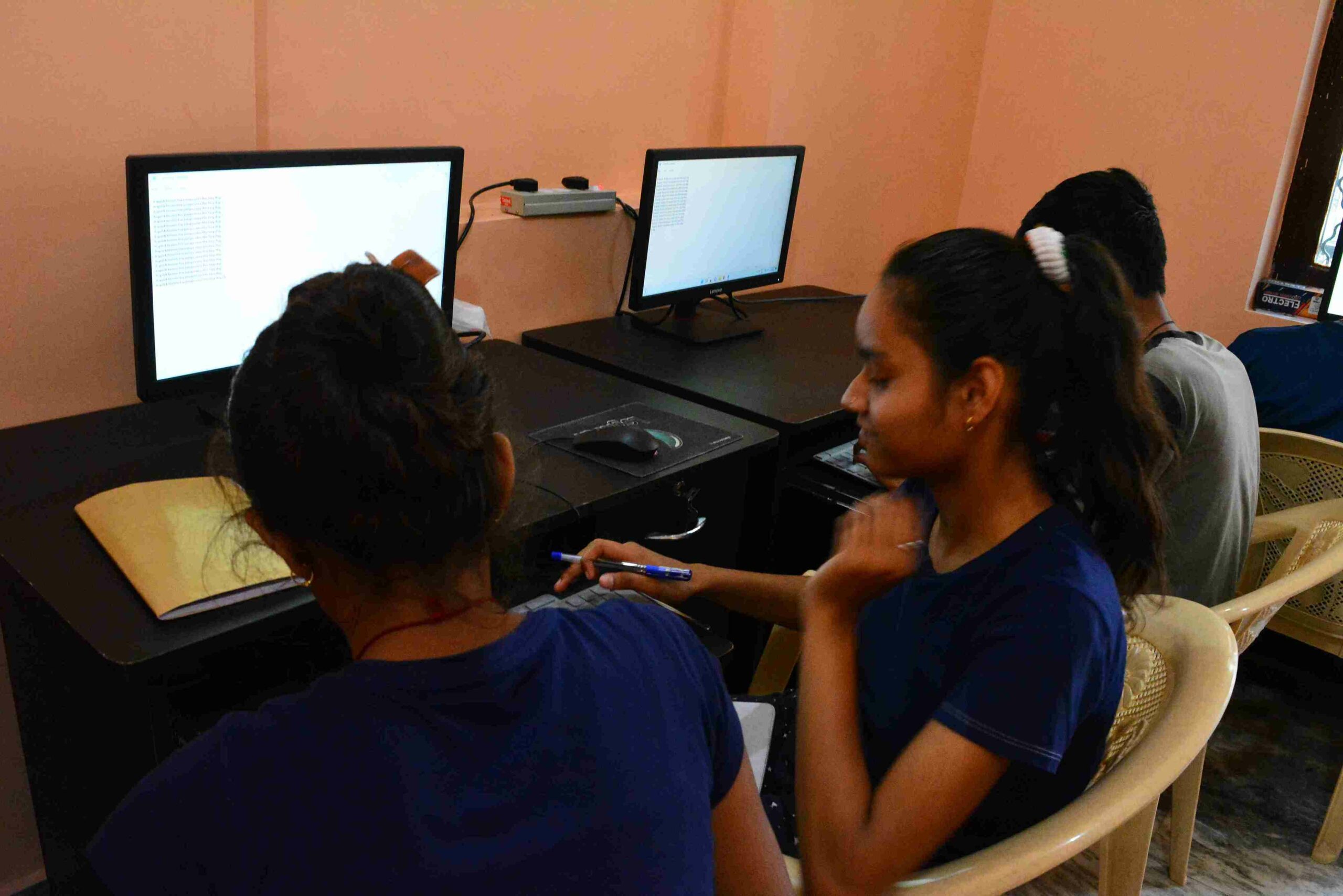
The internet has become an important space for children in India. Digital platforms support education, creativity, and connection. At the same time, increased online presence has led to a rise in cyber crime against children. These crimes are carried out through social media platforms, gaming spaces, messaging applications, and other online channels.
Cyber crime against children refers to harmful or illegal activities conducted through digital means that target children. These activities can threaten emotional safety, privacy, and dignity. Understanding how these crimes occur is essential for building awareness and strengthening protection mechanisms.
Several factors contribute to the growing risk of cyber crime against children. Rapid expansion of internet access has made digital devices widely available across urban and rural India. Children are engaging with online spaces at an early age, often without adequate guidance on safe usage.
Offenders take advantage of anonymity and limited digital awareness. This makes children vulnerable to manipulation, harassment, and misuse of personal information. As online interaction increases, the need to understand cyber risks becomes more urgent.
Technology plays a positive role in children’s development. Online learning platforms, educational videos, and creative tools help build skills and confidence. Digital spaces also allow children to stay connected with peers and communities.
However, without safeguards, the same technology can expose children to different types of cybercrime. Balanced digital engagement, supported by awareness and safety practices, is essential to ensure technology remains a tool for growth rather than harm.
Understanding the types of cybercrime helps in recognising early warning signs and responding effectively. Children may face different forms of online harm, often without realising the risks involved.
Cyberbullying involves repeated harmful behaviour through digital platforms. This may include threatening messages, abusive comments, or the spreading of false information. Unlike offline bullying, cyberbullying can follow children into their homes through phones and computers.
The impact of cyberbullying can be long-lasting. Emotional distress, fear, and withdrawal from social or academic activities are common outcomes. Addressing this form of cybercrime against children requires awareness and timely support.
Online exploitation is one of the most serious cybercrimes affecting children. Offenders may use fake identities to build trust and manipulate children into sharing images or engaging in inappropriate interactions. Digital platforms can be misused to create, store, or share child sexual abuse material.
This form of cybercrime causes deep psychological harm. Legal protections and reporting mechanisms play a critical role in preventing and addressing such crimes. According to UNICEF’s Child Online Protection guidelines, awareness and early intervention are key to safeguarding children online.
Children are increasingly becoming targets of identity theft. Personal details such as names, photographs, school information, or login credentials may be misused for fraudulent activities. Since children often lack financial records, identity misuse can go unnoticed for long periods.
Identity theft is one of the less visible but damaging types of cybercrime, as it can affect a child’s future digital and financial identity.
Prevention of cybercrime begins with awareness and safe digital practices. Creating secure online environments helps reduce exposure to risk and supports children’s confidence in navigating digital spaces.
Effective ways to prevent cybercrime include:
These steps help minimise opportunities for cybercrime against children and build resilience.
Also Read: Child Rights and Protection
Protection goes beyond restriction. Empowering children with knowledge and practical tools strengthen safety.
| Protective Measure | Purpose |
| Digital awareness | Helps children identify risks |
| Strong security practices | Prevents unauthorised access |
| Responsible sharing | Reduces data misuse |
Open communication creates trust. When children feel safe discussing online experiences, concerns are identified early. Supportive conversations reduce fear and help address issues before they escalate.
This approach strengthens emotional security and reduces the long-term impact of cyber crime against children.
Strong passwords and basic security measures are essential. Using unique passwords, updating them regularly, and enabling additional security features reduce vulnerability. These are practical ways to prevent cybercrime and protect personal information.
Limiting personal information online reduces exposure to fraud and exploitation. Children benefit from understanding what information should remain private and why caution is important in digital spaces.
Also Read: Consequences of Child Labour
India has established laws to address cybercrime and protect children in digital environments. These laws recognise the unique vulnerabilities of children and provide mechanisms for reporting and enforcement.
The Information Technology Act, 2000 and the Protection of Children from Sexual Offences (POCSO) Act form the backbone of cybercrime laws in India. Reporting of online crimes can be done through the official National Cyber Crime Reporting Portal.
The POCSO Act covers online sexual abuse, including digital images and videos. It ensures child-friendly procedures and confidentiality during legal processes. This law plays a vital role in addressing cybercrime against children involving exploitation.
The IT Act penalises the publication and transmission of harmful digital content involving children. It also places responsibility on online platforms to remove illegal material. Details are available through the Ministry of Electronics and Information Technology, Government of India.
Also Read: Importance of Mental Health
CRY India contributes to child protection by promoting awareness, education, and community engagement. Through advocacy and outreach, CRY India supports efforts to create safer environments where children can learn and grow without fear of online harm. Additionally, initiatives like The Digital Learning Centre help children gain computer literacy, equipping them with skills that may one day open doors to employment and further opportunities in a safe and guided digital environment. Your donation today can directly fuel these vital programs, ensuring more children have the resources and protection they need to thrive in a secure world.
Support child education through CRY India and help children stay in school, learn well, and dream big.
Children at risk may become unusually secretive about their online activity, receive strange messages, or show distress after using devices. CRY India works to educate children and families about online safety, and supporting our programs helps us reach more children with the guidance they need.
Schools can play a key role by teaching digital safety, encouraging open conversations, and providing resources for students. Through CRY’s awareness initiatives, schools gain access to tools and training that make cyber-safe environments a reality for children. Donations help us expand these programs to more schools nationwide.
Protecting a child’s privacy starts with strong passwords, careful sharing of personal information, and monitoring digital activity in a supportive way. CRY India’s programs educate families about these practices, helping children navigate the online world safely. Contributions allow us to reach more families with these essential resources.
If a child faces cyberbullying, it’s important to listen, document incidents, report to authorities, and provide emotional support. CRY India works with children and communities to build awareness and safe reporting mechanisms. Supporting CRY ensures that more children can be protected from online harm.
Every year, the International Day of Women and girls in science brings the world together to celebrate curiosity, creativity, and the courage to expl....
Read More
Summary/TL;DR on Benefits of Extracurricular ActivitiesExtracurricular activities are essential for the transformation of girls' lives, particula....
Read More All our efforts are made possible only because of your support
 Your donations are tax exempted under 80G of the Indian Income Tax Act
 Your donation transactions are completely safe and secure


Spread the word on social media and join the movement to raise awareness about the importance of girls completing their education.


Spread the word on social media and join the movement to end the shame around periods. #LetsTalkAboutPeriods