5 Benefits of Extracurricular Activities for Girls’ Personal and Academic Growth
Summary/TL;DR on Benefits of Extracurricular ActivitiesExtracurricular activities are essential for the transformation of girls' lives, particula....
Read More
Every year, the International Day of Women and girls in science brings the world together to celebrate curiosity, creativity, and the courage to explore. It recognises the role women and girls play in shaping discoveries, building innovations, and imagining a better future through science.
For CRY, this day is about more than recognition. It is about nurturing early dreams, encouraging young minds, and creating spaces where girls can learn, question, and grow with confidence. As we mark the International Day of Women and girls in science, we celebrate not only achievements, but also the everyday moments where girls first fall in love with learning.
What is International Day of Women and girls in science, and why is it observed across the world? Celebrated every year on 11 February, this global day highlights the importance of equal access to science education and opportunities for women and girls.
The International Day of Women and girls in science recognises the contributions women have made across scientific fields, while also encouraging more girls to see science as a space where they belong. It brings attention to the power of inclusive learning and how early encouragement can shape lifelong journeys in discovery.
The United Nations established this day to strengthen the participation of women and girls in science and innovation. At its heart, what is International Day of Women and girls in science about? It is about visibility, opportunity, and inspiration.
Over time, this observance has become a moment to reflect on progress, celebrate role models, and renew a collective commitment to education that supports every child’s potential. Each International Day of Women and girls in science reminds us that talent flourishes when learning environments are encouraging and inclusive.
Celebrating women and girls in science helps reshape how science is seen and who feels welcome within it. When girls encounter stories of discovery and innovation led by women, they begin to imagine their own place in those spaces.
The International Day of Women and girls in science brings these stories to the forefront—stories of curiosity, persistence, and creativity that inspire classrooms, communities, and families alike. It reinforces the message that science grows stronger when every voice is part of the conversation.
Recognition nurtures confidence. It tells girls that their questions matter, their ideas are valued, and their interests are worth exploring. The International Day of Women and girls in science creates a moment of collective recognition, where achievements are celebrated and aspirations are encouraged.
For young learners, this acknowledgement can be transformative. It turns science from a subject into a possibility, and learning into a pathway filled with promise.
Many girls discover their love for science early, through simple experiments, observations, and classroom explorations. Recognition and support help ensure that this curiosity continues to grow.
The International Day of Women and girls in science highlights how encouragement—from teachers, families, and communities, can help girls stay engaged, motivated, and confident in their abilities. When girls feel supported, they are more likely to pursue their interests and build strong foundations for the future.
When science includes diverse perspectives, it becomes more creative, thoughtful, and responsive to real-world needs. Gender equality in science strengthens innovation and broadens the scope of solutions.
The International Day of Women and girls in science celebrates how inclusive learning environments contribute to healthier communities, sustainable development, and meaningful progress. It shows that when girls participate fully in scientific spaces, everyone benefits.
For many girls, access to quality science education depends on supportive systems that encourage attendance, engagement, and exploration. The International Day of Women and girls in science draws attention to the importance of building learning environments where girls feel inspired and motivated.
Removing everyday obstacles—whether related to resources, confidence, or exposure—opens doors to new possibilities and allows interest in science to grow naturally.
Across communities, girls’ learning journeys are shaped by the availability of mentors, role models, and opportunities to engage with science beyond textbooks. Positive exposure and supportive guidance make a meaningful difference.
Understanding what is International Day of Women and girls in science also means recognising the value of sustained encouragement, which helps girls continue exploring science with curiosity and joy.
India’s future is closely tied to education, innovation, and problem-solving. Encouraging girls in science strengthens this future by expanding the nation’s collective potential.
When girls are supported in learning environments that value inquiry and creativity, they grow into young women who contribute to healthcare, technology, environmental research, and education. The International Day of Women and girls in science reflects the promise of an India where every child can participate in shaping tomorrow.
Also Read: International Day Of The Girl Child
The International Day of Women and girls in science is a celebration of achievement in all its forms—from landmark discoveries to the first successful school experiment. It honours dedication, imagination, and the spirit of exploration.
As we say happy International Day of Women and girls in science, we celebrate not only outcomes, but also effort, learning, and the confidence to keep trying.
Across history, women scientists have expanded our understanding of the world and the universe beyond it. Their work in medicine, space science, chemistry, and physics continues to inspire generations.
The International Day of Women and girls in science honours these pioneers and acknowledges how their journeys opened pathways for countless young learners to follow.
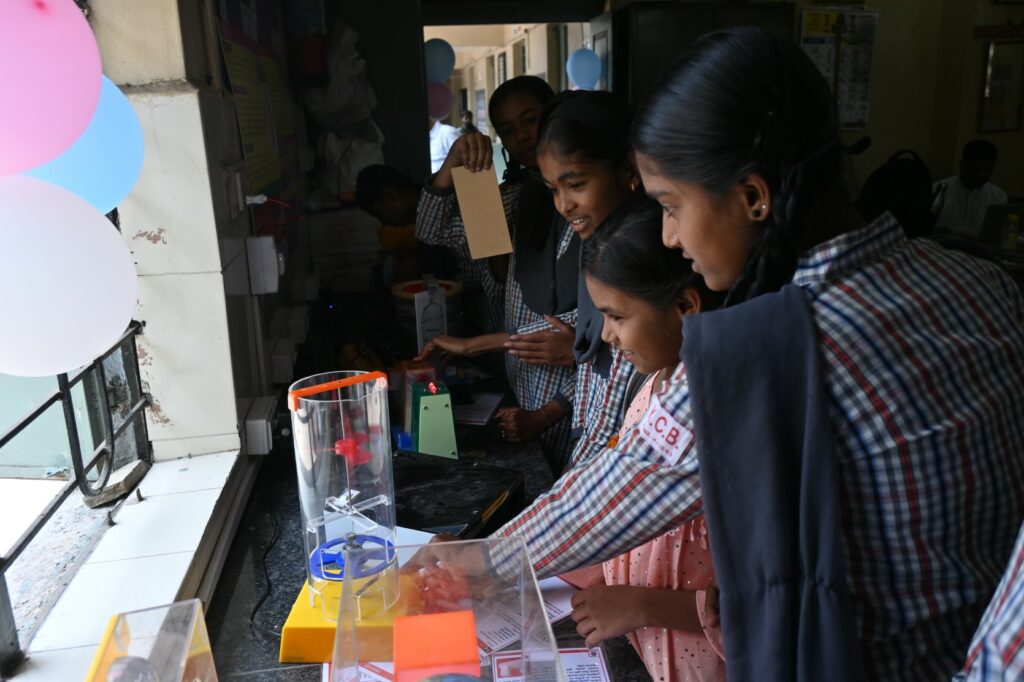
Today, many young girls are exploring science through school projects, community initiatives, and innovation programmes. They are building models, testing ideas, and discovering solutions that respond to everyday needs.
These stories capture the heart of the International Day of Women and girls in science—where curiosity meets opportunity, and learning becomes a source of confidence and creativity.
Supportive ecosystems make all the difference. Schools can encourage hands-on learning. Communities can nurture positive attitudes. NGOs can strengthen access to resources, mentoring, and quality education.
Together, these efforts ensure that the International Day of Women and girls in science is not only a celebration, but also a reminder of the role we all play in sustaining girls’ learning journeys.
At CRY (Child Rights and You), education is central to enabling children to realise their potential. Through community-based programmes, school support initiatives, and focused work with adolescents, CRY helps create environments where girls can engage with learning meaningfully, including in science.
By strengthening access to education and supporting continuity in schooling, CRY contributes to foundations where girls can explore, question, and grow with confidence. On the International Day of Women and girls in science, these efforts reflect a shared belief: that when girls are encouraged early, their possibilities expand for life.
Also Read: STEM Education for Girls
Girls’ participation in science education is shaped by access to quality schooling, learning resources, and exposure to positive role models. Supportive environments, hands-on opportunities, and encouragement play a key role in helping girls explore science with confidence. The International Day of Women and girls in science highlights the importance of nurturing these ecosystems.
Encouragement begins with early, positive experiences. Engaging learning methods, supportive teachers, visible role models, and family encouragement help girls see science as a space where they belong. On the International Day of Women and girls in science, this encouragement becomes a shared celebration of possibility.
Innovation grows stronger when diverse perspectives come together. Inclusive science education supports more balanced problem-solving and solutions that reflect wider community needs. The International Day of Women and girls in science highlights how participation strengthens global progress.
Sustained encouragement, recognition, and exposure to real-world applications of science help girls imagine long-term pathways in research, healthcare, engineering, and technology. The International Day of Women and girls in science celebrates how consistent support can help curiosity grow into confidence.
Also Read: Types of Social Barriers
Summary/TL;DR on Benefits of Extracurricular ActivitiesExtracurricular activities are essential for the transformation of girls' lives, particula....
Read More
Summary/TL;DR on Digital ClassroomsEducation is crucial for child development, yet a significant divide exists between urban and rural areas in I....
Read More All our efforts are made possible only because of your support
 Your donations are tax exempted under 80G of the Indian Income Tax Act
 Your donation transactions are completely safe and secure


Spread the word on social media and join the movement to raise awareness about the importance of girls completing their education.


Spread the word on social media and join the movement to end the shame around periods. #LetsTalkAboutPeriods