
Unspent CSR Funds in India: Why Children Are Losing Out and What Needs to Change
CSR spending in India has the potential to create meaningful change in children's lives by supporting education, healthcare, nutrition, and protectio....
Read More
Corporate Social Responsibility has evolved far beyond one-time donations and charity-driven campaigns. Today, businesses are expected to create meaningful and lasting social impact that improves lives and strengthens communities over time. Companies now recognise that sustainable growth is closely connected to the well-being of society, the environment, and future generations.
Across India, organisations are increasingly investing in long-term CSR initiatives focused on education, healthcare, livelihoods, child protection, and environmental sustainability. By working closely with communities and trusted organisations like CRY India, businesses can help create lasting change that continues to benefit people for years to come.
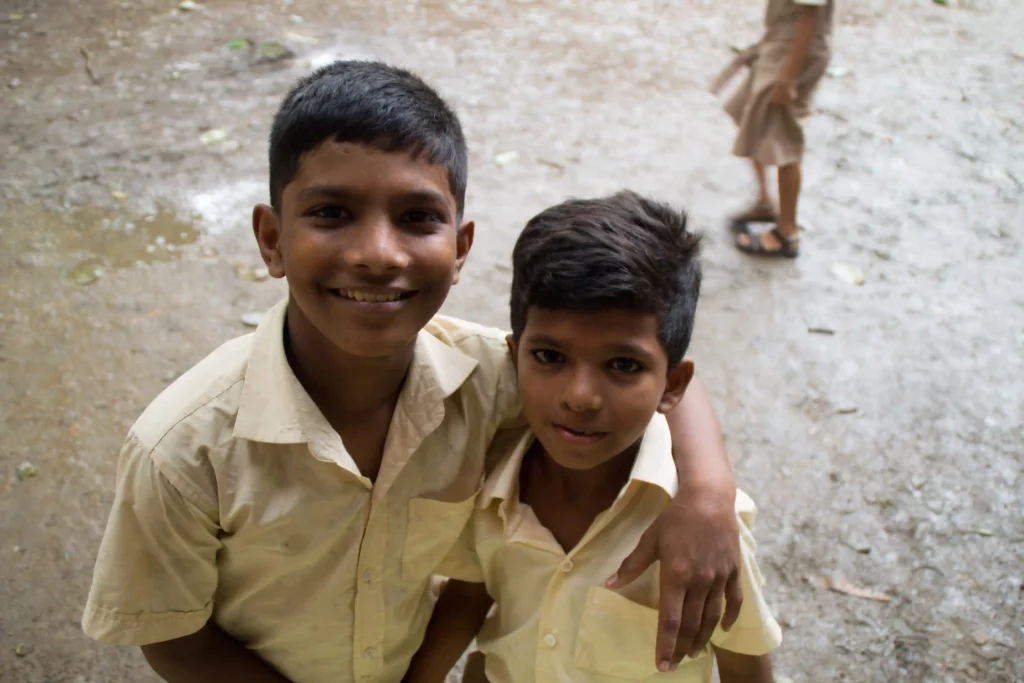
Communities today face complex social and economic challenges that cannot be solved through short-term relief alone. Issues such as poverty, unequal access to education, poor healthcare, child labour, and environmental degradation require long-term planning, sustained investment, and community participation.
This is why long-term CSR impact has become increasingly important. Businesses are now expected to move beyond occasional donations and create structured programmes that deliver measurable and sustainable change.
Consumers, employees, investors, and communities also expect organisations to act responsibly and contribute meaningfully towards social development. Companies that focus on long-term impact not only strengthen communities but also build trust, credibility, and stronger relationships with society.
Build Lasting Impact With CRY India
Long-term community impact in CSR refers to creating sustainable improvements that continue benefiting communities over time. Instead of addressing immediate problems temporarily, companies focus on solving root causes through structured and community-driven initiatives.
This approach includes long-term investment in education, healthcare, nutrition, livelihood support, environmental sustainability, and child protection programmes. Businesses increasingly partner with organisations like CRY India to ensure that social initiatives create measurable and lasting impact at the grassroots level.
Long-term impact focuses on sustainable improvements in people’s lives through continuous support, measurable outcomes, and community participation rather than short-term financial assistance alone.
Short-term aid often addresses immediate needs temporarily, while sustainable CSR focuses on long-term solutions that improve systems, opportunities, and overall quality of life within communities.
Communities need consistent support, resources, and opportunities to create self-reliance and lasting development. Sustainable programmes help people build stronger futures instead of depending only on temporary relief.
Successful CSR programmes begin with clear purpose and long-term vision. Companies must ensure that their social responsibility efforts align with both community needs and organisational values. A well-planned CSR strategy allows businesses to create deeper impact while maintaining accountability and consistency.
Modern CSR is no longer only about donations. It involves partnerships, community engagement, measurable goals, employee participation, and sustainable development planning.
Companies create stronger impact when CSR initiatives reflect their values, expertise, and long-term commitment towards social development and responsible business practices.
Clear objectives help organisations measure progress, allocate resources effectively, and ensure that CSR programmes address real community challenges and development priorities.
Businesses should focus on areas where long-term support can create sustainable impact, including education, healthcare, livelihood opportunities, environmental sustainability, and child well-being.
Explore CSR Partnerships With CRY India
One of the most important steps in creating long-term community impact is understanding the actual needs of the community. Effective CSR programmes begin by listening to people, identifying challenges, and understanding local realities before implementing solutions.
Community assessments help businesses avoid assumptions and ensure resources are directed towards areas where they are most needed. This process also builds trust and encourages stronger community participation in development programmes.
Organisations like CRY India work closely with local communities to identify challenges related to child rights, education, healthcare, nutrition, and protection. This grassroots understanding helps companies create more meaningful and sustainable impact.
Communities understand their own challenges best. Listening to local voices helps organisations design programmes that are relevant, practical, and sustainable.
Effective CSR programmes focus on solving underlying issues such as poverty, poor access to education, lack of healthcare, and inequality rather than only responding to visible problems.
Understanding available services, infrastructure, and gaps helps businesses identify where support is needed most and how resources can create maximum impact.
Creating long-term CSR impact requires careful planning, community involvement, transparency, and continuous commitment. However, many CSR programmes struggle to create sustainable change because of common mistakes that limit their effectiveness over time.
• Treating CSR as a short-term branding activity instead of a long-term social responsibility
• Launching programmes without understanding local community needs and challenges
• Limited community participation, which reduces long-term sustainability and relevance
• Lack of transparency, proper monitoring, and regular programme evaluation
• Inconsistent funding and weak long-term planning for social initiatives
• Focusing only on visible activities instead of measuring real impact and outcomes
Strong partnerships with experienced organisations like CRY India can help companies design responsible and community-focused CSR programmes that create meaningful and lasting social change.
Long-term CSR is about creating lasting opportunities, stronger communities, and sustainable social progress. Businesses today have the power to go beyond charity and contribute towards meaningful change that improves lives for future generations.
By investing in education, healthcare, child protection, livelihoods, and environmental sustainability, companies can help communities become more resilient and self-reliant. Partnerships with organisations like CRY India ensure that CSR initiatives create measurable and lasting impact where it matters most.
When businesses invest in communities, they are also investing in a stronger, healthier, and more inclusive future for society as a whole.
Companies can create long-term impact by investing in sustainable programmes focused on education, healthcare, livelihoods, child protection, and environmental development. Working closely with communities and organisations like CRY India also helps ensure long-lasting and measurable social change.
Short-term CSR often focuses on temporary relief or donations, while long-term CSR aims to solve root causes through sustainable development, community participation, and continuous support that creates lasting improvements.
Community participation ensures that CSR initiatives address real local needs and remain sustainable over time. Involving communities also builds trust, ownership, and stronger long-term impact.
Companies measure success through measurable outcomes such as improved education access, healthcare support, livelihood opportunities, environmental improvements, and long-term community well-being indicators.
CSR spending in India has the potential to create meaningful change in children's lives by supporting education, healthcare, nutrition, and protectio....
Read More
Today's businesses are expected to create value not only for shareholders but also for society. This is where corporate social responsibility can mak....
Read More All our efforts are made possible only because of your support
 Your donations are tax exempted under 80G of the Indian Income Tax Act
 Your donation transactions are completely safe and secure


Spread the word on social media and join the movement to raise awareness about the importance of girls completing their education.


Spread the word on social media and join the movement to end the shame around periods. #LetsTalkAboutPeriods