80G Deduction in New Tax Regime: What Changed
Summary / TL;DRSection 80G allows Indian taxpayers to claim deductions on donations made to eligible charitable organisations. The deduction amou....
Read More
Tax deductions on donations can provide significant financial relief while supporting charitable causes. However, claiming ngo donation tax exemption deductions involves following specific rules and guidelines. Mistakes in the process may lead to denied claims or even penalties. Understanding these common errors and how to avoid them is crucial for ensuring smooth and successful claims.
Donating to charitable organizations is not just a noble act; it is also rewarded by tax benefits in many countries, including India. The government allows individuals to claim deduction under 80G of the Income Tax Act, encouraging more contributions to recognised NGOs. By making a tax donation deduction, donors can maximise their ngo donation tax benefit while contributing to meaningful social change.
However, a lack of awareness about rules can cause individuals to miss the benefits. This blog covers why donating to an NGO is impactful and the common mistakes to avoid when claiming tax deductions on donations.
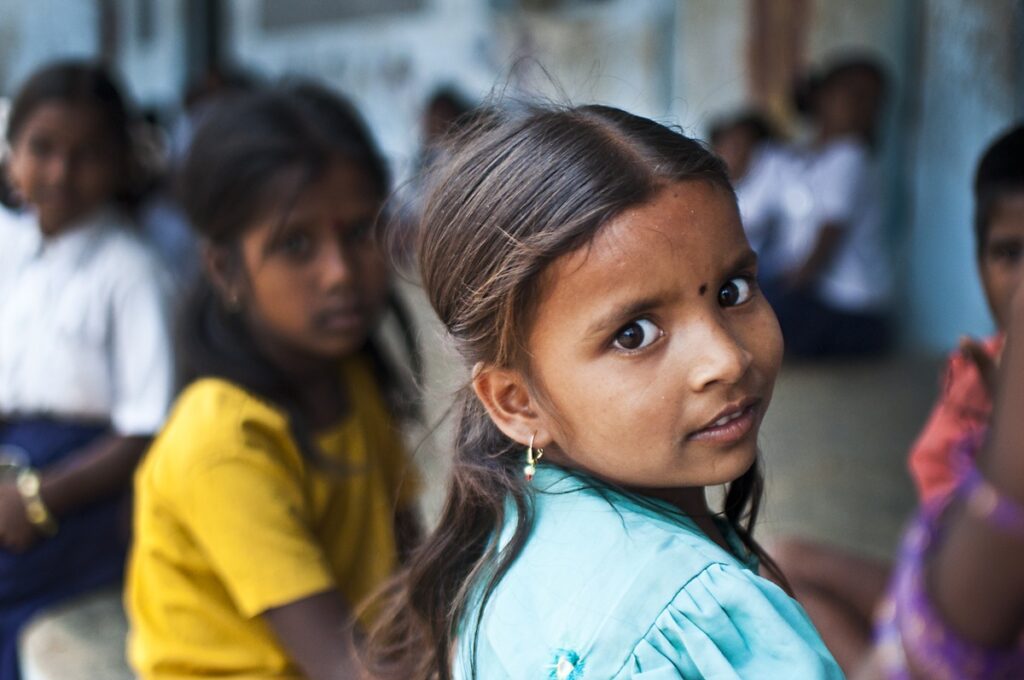
Donating to an NGO contributes to social causes and creates a ripple effect of positive change in communities. It also allows taxpayers to make a difference while enjoying a genuine ngo donation tax benefit. Here are some reasons to donate to an NGO:
Tax Benefits: Contributions made to registered organizations under Section 80G of the Income Tax Act are eligible for ngo donation tax exemption. The percentage of the ngo tax deduction depends on the organization's certification. Donations to CRY India qualify for a 50% tax exemption, allowing you to contribute to a meaningful cause while enjoying full ngo donation tax benefit.
When claiming tax deductions on charity donations, avoiding common pitfalls is essential. Below are the most frequent mistakes donors make and tips on how to steer clear of them:
How to Avoid:
Verify the NGO's registration status before donating. Recognised organisations typically provide an 80G certificate upon request, which is essential for claiming your ngo donation tax benefit.
How to Avoid:
Always collect and preserve charity donation receipts that mention the following:
Donors often overestimate the monetary value of non-cash contributions, such as clothes or food, which can lead to discrepancies in tax assessments and invalid ngo donation tax exemption claims.
How to Avoid:
Contributions such as clothing, food, or medicines are typically not eligible for tax deductions under Section 80G of the Income Tax Act. Tax benefits apply only to monetary donations made through recognised methods, such as cheques, bank transfers, or digital payments.
The Income Tax Act limits the maximum ngo tax deduction a donor can claim. Exceeding these limits results in disallowed ngo donation tax exemption claims.
How to Avoid:
Check the limits for charitable deductions based on your income slab. Ensure the claimed amount adheres to the prescribed cap to retain your full ngo donation tax benefit.
Under Section 80G, ngo tax deduction claims only apply when deductions are itemised. Itemising involves listing all your eligible expenses, including donations, when filing your taxes. Many individuals overlook this requirement, claiming standard deductions instead and losing their ngo donation tax exemption entitlement.
How to Avoid:
If claiming deductions on donations, opt for itemised deductions during tax filing.
Donations made after the financial year cutoff date (31st March) are ineligible for ngo donation tax benefit in that financial year.
How to Avoid:
Donations made after the financial year cutoff date (31st March) are ineligible for ngo donation tax benefit in that financial year.
Fraudulent organisations often pose as NGOs to collect funds that carry no valid ngo tax deduction benefit.
How to Avoid:
Verify the legitimacy of the NGO by:
Donations exceeding the annual deduction limit can be carried forward to the next tax year (Source: IRS, 2024). Failing to report these carryovers results in lost deductions.
How to Avoid:
Maintain detailed records of excess donations and ensure they are reported in subsequent years’ tax filings.
ALSO READ: How To Save Tax By Donating To NGO?
Donating assets like property or shares involves special tax rules. Misinterpretation can result in errors during claims.
How to Avoid:
Also Read: Stem Education
Following these steps helps ensure that contributions made towards children’s welfare remain compliant and eligible for applicable tax benefits.
CRY India operates in compliance with statutory requirements and is approved under Section 80G of the Income Tax Act. Donations made are acknowledged with proper documentation, enabling donors to claim eligible tax deductions with confidence. By directing contributions towards structured, long-term programmes for children, CRY India ensures that donations deliver both measurable social impact and lawful tax benefits.
Claiming tax deductions on donations requires attention to detail and adherence to rules. By avoiding common mistakes, donors can maximise their tax benefits while supporting causes they care about.
Recognised NGO organisations like CRY India ensure donations make a real difference in children’s lives while enabling donors to claim eligible deductions. For example, donating ₹10,000 to CRY India offers a 50% deduction and allows a tax benefit of ₹5,000.
Making informed contributions and maintaining proper documentation simplifies tax filing and enhances the impact of your charitable donations.
The amount of tax-free donations depends on the NGO’s certification. Donations made to CRY India are eligible for a 50% tax deduction under Section 80G of the Income Tax Act. While contributing to this meaningful cause, donors can claim tax benefits, provided the total deduction does not exceed 10% of their adjusted gross total income.
Tax deductions on donations in India are governed by Section 80G of the Income Tax Act. To qualify:
Tax deductions under Indian income tax laws are applicable only to donations made to organisations that are registered and approved under Section 80G of the Income Tax Act. CRY is a legally registered organisation and issues valid donation receipts, ensuring that contributions made towards children’s education, health, and protection are eligible for tax benefits and used transparently.
As per current tax regulations in India, donations must be claimed in the same financial year in which they are made, as carryover of donation amounts is not permitted. Donations made to CRY are supported by proper documentation and timely receipts, helping ensure accurate and compliant tax filing within the applicable assessment year.
Under Section 80G, only monetary donations qualify for tax deductions, while donations made in the form of assets or goods do not. Monetary contributions to CRY allow for efficient planning, accountability, and effective allocation of funds towards long-term programmes that support and protect children.
Summary / TL;DRSection 80G allows Indian taxpayers to claim deductions on donations made to eligible charitable organisations. The deduction amou....
Read More
Summary / TL;DRSection 80G of the Income Tax Act lets you legally reduce your tax burden by donating to approved charities. When you donate to an....
Read More All our efforts are made possible only because of your support
 Your donations are tax exempted under 80G of the Indian Income Tax Act
 Your donation transactions are completely safe and secure


Spread the word on social media and join the movement to raise awareness about the importance of girls completing their education.


Spread the word on social media and join the movement to end the shame around periods. #LetsTalkAboutPeriods