Children and Social Media: Staying Safe from Online Risks
Social media is now a regular part of many children's lives, helping them learn, connect and have fun. However, it also brings risks such as bullying....
Read More
National Science Day 2026 arrives at a crucial moment as India advances towards Viksit Bharat 2047. Strengthening scientific temper, innovation, and inclusive STEM education is essential to prepare future-ready citizens. This day is not just commemorative, it is transformative for India’s education and research ecosystem.
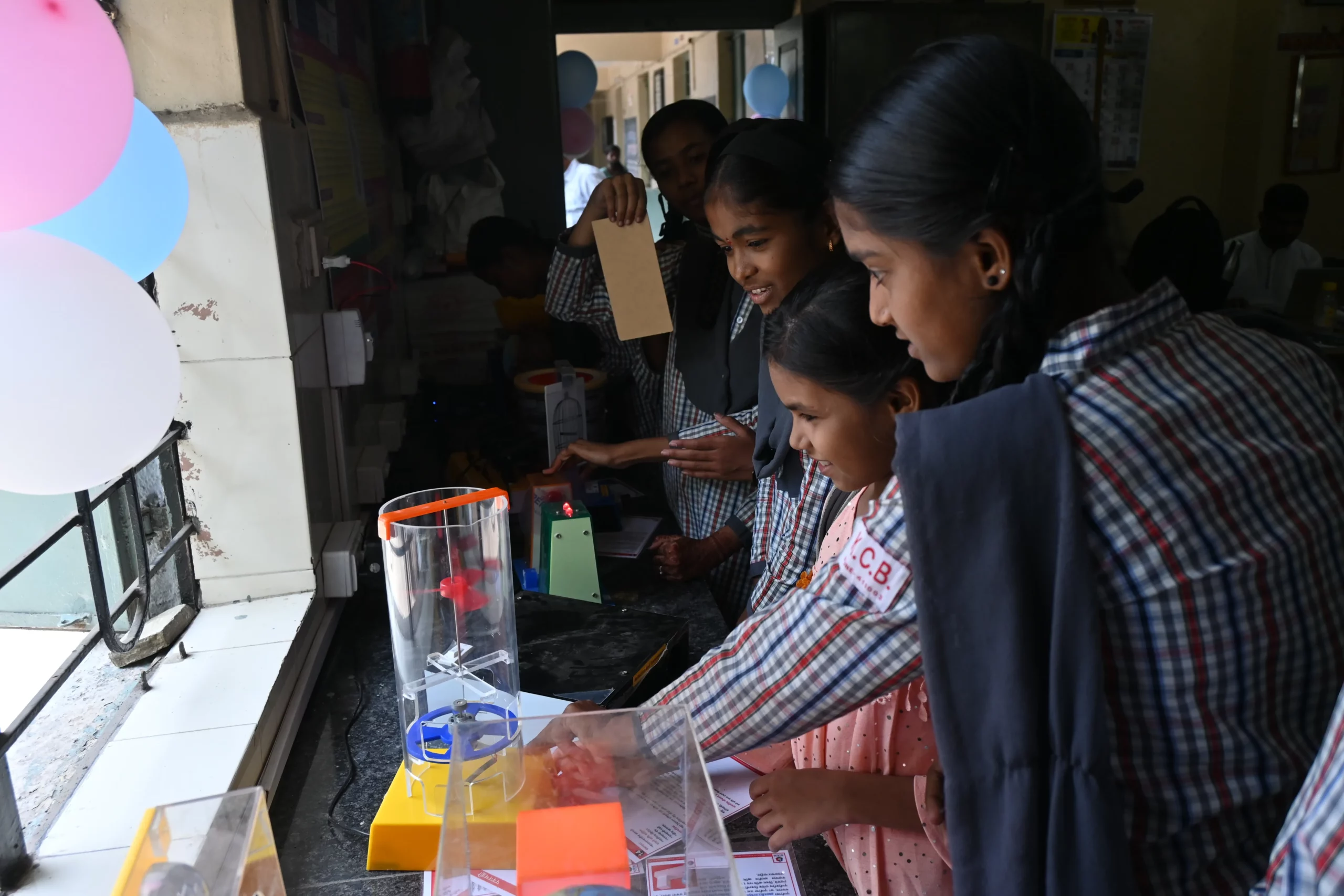
About National Science Day, it is one of India’s most important science celebrations aimed at promoting scientific thinking and innovation. Initiated in 1987, National Science Day in India highlights how science improves everyday life and drives national development through research, education, and technology adoption.
Many ask, when is National Science Day celebrated in India? National Science Day is celebrated on February 28 to honour Sir C.V. Raman’s discovery of the Raman Effect in 1928. This historic achievement earned India its first Nobel Prize in Physics, symbolising global scientific excellence.
In 2026, India stands tall with major scientific achievements, including top global IP filings, advanced supercomputing capacity, and AI initiatives like BharatGen. Happy National Science Day celebrations will spotlight India’s growing role in frontier technologies and global innovation leadership.
The 2026 focus includes youth empowerment, the National Quantum Mission, and expanded INSPIRE-MANAK coverage. These initiatives strengthen hands-on learning and innovation, ensuring STEM education aligns with future industries and research priorities.
Despite policy reforms and technological advancement, access to quality STEM education in India remains highly unequal, particularly for children from marginalised, rural, and low-income communities. Marginalised communities, particularly in rural and remote areas, continue to face structural and socio-economic barriers that limit scientific learning and innovation.
Also Read: Child Labour Amendment Act 2016
STEM education can play a critical role in shaping confident learners, expanding career possibilities, and supporting inclusive development—when children have equitable access to quality learning environments. By strengthening STEM learning, India can equip its youth with future-ready skills while building a globally competitive knowledge economy.
Also Read: Cyber Crime Against Children
National Science Day celebrates India’s scientific legacy while promoting modern role models. Programmes like INSPIRE encourage students to experiment, innovate, and view failure as part of learning, essential for nurturing resilient scientists and innovators.
Gender inclusion is central to progress. Initiatives such as Vigyan Jyoti, WISE-KIRAN, and CURIE empower girls and women through scholarships, mentoring, and research infrastructure, address gender-based barriers to participation in STEM education across different regions.
Also Read: Importance of Physical Education
Government and NGO support is essential for building an inclusive and future-ready STEM ecosystem in India. Policies such as the National Education Policy (NEP) 2020 emphasise critical thinking, experiential learning, and interdisciplinary skills. Government funding for research, innovation, and inclusivity grants helps expand access for marginalised groups. However, policy intent must be supported by effective on-ground implementation. NGOs play a vital role by reaching underserved communities, strengthening schools, training teachers, and providing mentoring and digital resources. Through community-based STEM programmes and partnerships, NGOs help bridge gaps in access, ensuring equitable learning opportunities and nurturing scientific talent across diverse socio-economic backgrounds.
Also Read: Types of Child Trafficking
CRY India works to improve access to quality education, including STEM learning, for children from underprivileged and marginalised communities. By strengthening government schools, the organisation supports improved teaching practices, learning infrastructure, and access to essential academic resources. CRY India also advocates for child-centric education policies that prioritise equity, digital inclusion, and quality learning outcomes. Through community engagement, it helps families understand the value of education, especially for girls. By supporting learning support centres, advocating for improved school infrastructure, and enabling access to digital learning where possible, CRY India bridges gaps in access and opportunity, ensuring that initiatives like National Science Day in India inspire and include every child, regardless of socio-economic background.
Support STEM education through CRY India and help children stay in school, learn well, and dream big.
Schools organise science exhibitions, experiments, quizzes, and talks to promote curiosity and innovation. These activities help students understand what is National Science Day, connect theory with practice, and develop early interest in science careers.
Greater female participation improves innovation, economic growth, and social equity. Women in STEM bring diverse perspectives, strengthen research outcomes, and inspire future generations, creating a more inclusive and competitive scientific ecosystem.
By showcasing real-world applications, role models, and success stories, National Science Day motivates students to explore STEM paths. Hands-on activities and discussions help them see science as relevant, exciting, and impactful.
Bridging the gap requires digital infrastructure, trained teachers, mobile labs, public–private partnerships, and NGO support. Inclusive policies and community-based programmes can ensure equal STEM opportunities across rural and urban India.
Social media is now a regular part of many children's lives, helping them learn, connect and have fun. However, it also brings risks such as bullying....
Read More
A hotter summer can mean more than an uncomfortable day for a child. It can make it harder to concentrate in class or spend time outdoors. Heavy rain....
Read More All our efforts are made possible only because of your support
 Your donations are tax exempted under 80G of the Indian Income Tax Act
 Your donation transactions are completely safe and secure


Spread the word on social media and join the movement to raise awareness about the importance of girls completing their education.


Spread the word on social media and join the movement to end the shame around periods. #LetsTalkAboutPeriods