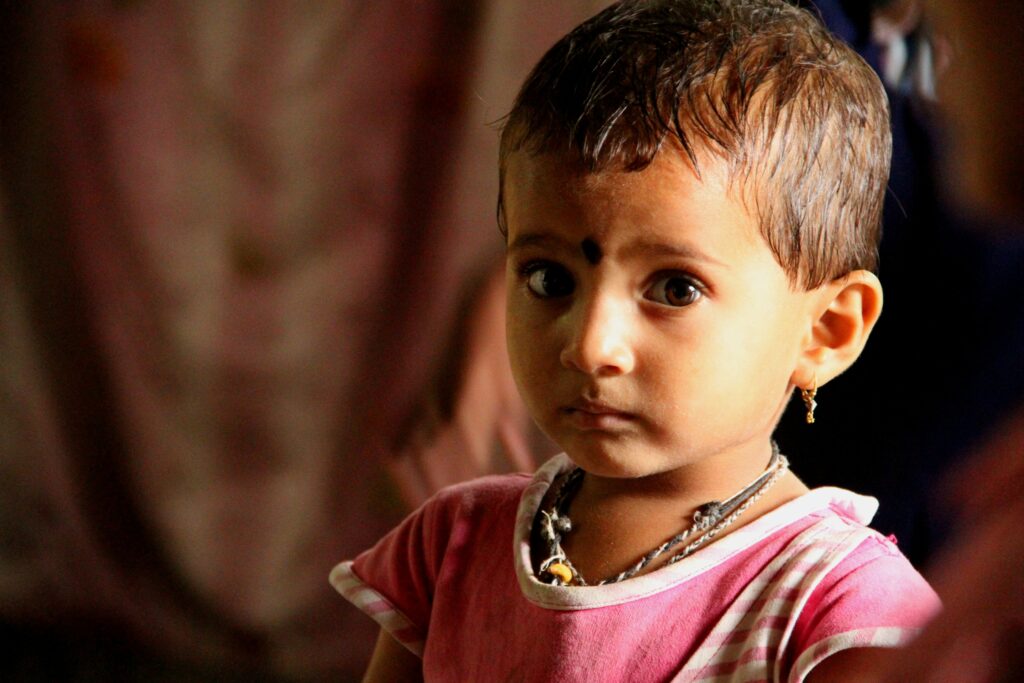
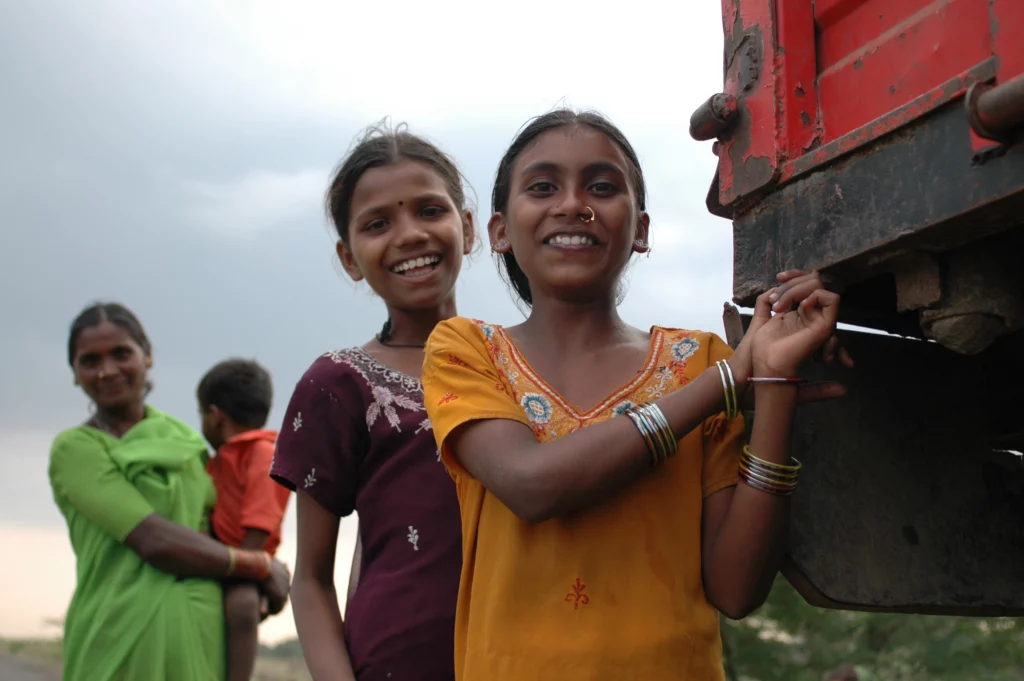
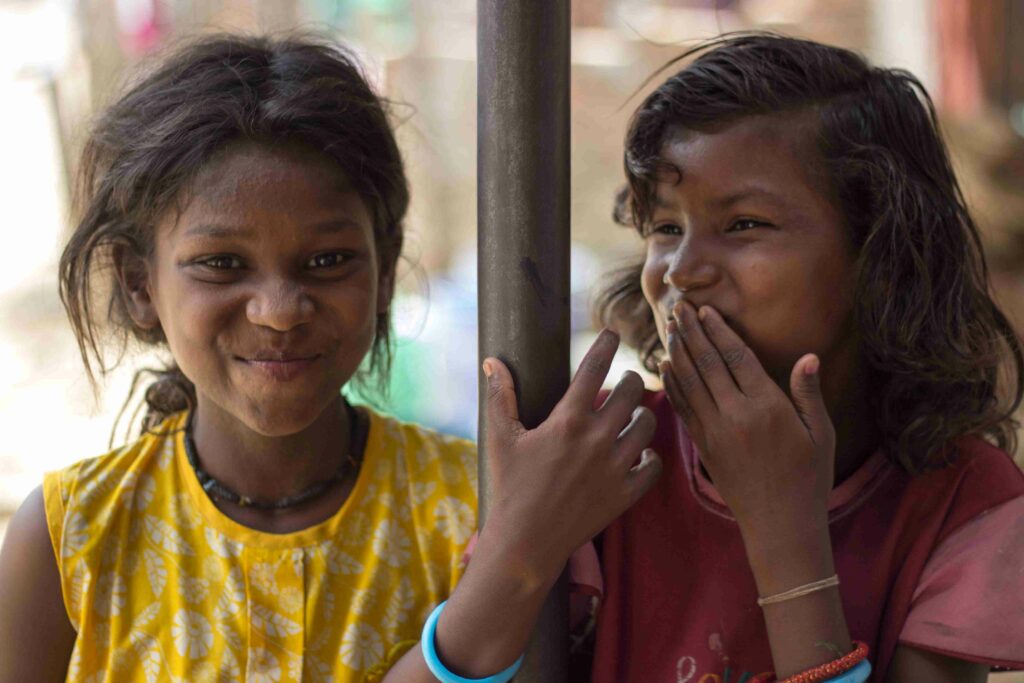
Independence Day celebrates the freedom, hope, and opportunities that define India's future. Yet for millions of children, freedom remains out of reach. Instead of sitting in classrooms, many spend their days working to support their families, missing out on the education and childhood they deserve. Every child should have the chance to learn, play, and dream without carrying the burden of work. This Independence Day, the true meaning of freedom lies in ensuring that every child can go to school, realise their potential, and build a brighter future. Together, we can help make this vision a reality.
Why Education Is Every Child's True Freedom
Education gives children the knowledge, confidence, and skills to shape their own future. It opens doors to better opportunities, protects children from exploitation, and helps break the cycle of poverty. A child in school is more likely to enjoy better health, secure employment, and greater independence later in life. Ensuring every child has access to education is not only a constitutional right but also one of the most effective ways to create stronger families, thriving communities, and a more inclusive India.
Why Are Children Still Forced to Work Instead of Going to School?
In many parts of India, children are still forced to work instead of going to school for the following reasons.
Poverty and Financial Hardships
Many families struggle to meet their daily needs, making education seem unaffordable despite free schooling. Expenses such as uniforms, books, transport, and learning materials often force children to work instead of continuing their education.
Child Labour and Family Responsibilities
Many children leave school to earn an income or help with household work, farming, or caring for younger siblings. These responsibilities reduce school attendance and often result in children dropping out permanently.
Children living in remote and underserved areas often face shortages of schools, trained teachers, and learning resources. Poor infrastructure and long travel distances discourage regular attendance and increase dropout rates.
Gender Inequality and Social Barriers
Girls continue to face barriers such as early marriage, domestic responsibilities, and discrimination that affect their education. Strengthening awareness of child marriage laws in India, the legal age for marriage in India, and the Prohibition of Child Marriage Act 2006 is essential to ensure girls remain in school and enjoy a safe, healthy childhood.
Child labour affects far more than a child's education. It limits physical, emotional, and social development while reducing opportunities for a secure and independent future.
Lost Educational Opportunities
Children who work often miss school regularly or leave education altogether. Without learning and skill development, they face fewer employment opportunities and remain vulnerable to poverty throughout adulthood.
Physical and Mental Health Risks
Children engaged in labour often work in unsafe environments that expose them to injuries, illness, stress, and emotional trauma. Long working hours also affect their physical growth, confidence, and overall well-being.
The Cycle of Poverty Continues
When children leave school to work, they often enter low-paying and insecure jobs that offer little opportunity for growth. Without education, they struggle to improve their financial situation as adults, making it more likely that future generations will face similar hardships. Helping children stay in school is one of the most effective ways to break this cycle and create lasting change for families and communities.
Laws and Government Initiatives Protecting Children's Right to Education
India has introduced several laws and policies to protect children from exploitation and ensure every child has access to education. These legal safeguards aim to keep children in classrooms, safeguard their rights, and support their overall development.
Child Labour (Prohibition and Regulation) Amendment Act, 2016
The Child Labour (Prohibition and Regulation) Amendment Act, 2016 prohibits the employment of children below 14 years in all occupations and restricts adolescents from working in hazardous occupations and processes. The law seeks to protect children from exploitation and encourage them to continue their education instead of entering the workforce at an early age.
Right to Education (RTE) Act, 2009
The Right to Education (RTE) Act, 2009, guarantees free and compulsory education for every child between the ages of 6 and 14 years. It aims to remove barriers that prevent children from attending school by promoting equal access to quality education. The Act also lays down standards for school infrastructure, qualified teachers, and inclusive learning environments.
By ensuring education is a legal right, the RTE Act plays a crucial role in reducing school dropout rates and protecting children from child labour. Alongside awareness of the minimum legal age for marriage in India, the legal age for marriage in India, and the Prohibition of Child Marriage Act 2006, it helps create safer environments where children, especially girls, can remain in school and enjoy their childhood.
How CRY Is Helping Children Choose Classrooms Over Workplaces
CRY works with children, families, communities, schools, and local authorities to identify children who are out of school and help them return to education. The organisation addresses the root causes of child labour by improving access to education, raising community awareness, strengthening child protection systems, and supporting families so children can continue learning instead of working. Through sustained community engagement, CRY helps ensure children remain in school and build brighter futures.
How You Can Help Every Child Experience the Freedom to Learn
Every individual can help create change. By supporting CRY, spreading awareness about children's rights, encouraging education within communities, and speaking up against child labour and child marriage, we can help more children experience the freedom to learn, grow, and achieve their dreams.
Conclusion: This Independence Day, Let's Build a Future Where Every Child Is Free to Learn
True freedom means giving every child the opportunity to learn instead of work. This Independence Day, let us stand together to ensure that no child's future is limited by poverty, exploitation, or discrimination. Every child deserves the freedom to learn, dream, and build a better tomorrow.
Frequently Asked Questions
Why is child labour still a challenge in India?
Child labour continues to remain a challenge because of factors such as poverty, financial hardship, lack of access to quality education, migration, and social inequality. Many families depend on children's earnings or household support, forcing them to leave school before completing their education.
How does education help prevent child labour?
Education equips children with knowledge, skills, and better future opportunities. When children remain in school, they are less likely to enter child labour and more likely to secure stable employment as adults, helping break the cycle of poverty.
What laws protect children from child labour in India?
The Child Labour (Prohibition and Regulation) Amendment Act, 2016 prohibits child labour below the age of 14, while the Right to Education Act, 2009 guarantees free and compulsory education. The Prohibition of Child Marriage Act 2006 also helps protect children, especially girls, from early marriage and supports their continued education.
How can communities support children's right to education?
Communities can encourage school enrolment, report cases of child labour, raise awareness about the child marriage laws in India, support families facing financial hardship, and ensure children remain in safe and inclusive learning environments.
How is CRY helping children stay in school instead of working?
CRY works with communities to enrol out-of-school children, prevent school dropouts, improve access to education, strengthen child protection systems, and address issues such as child labour, early marriage, and discrimination so that every child has the opportunity to learn and thrive.
Why Child Labour Cannot End Without Quality Education: The Missing Link Most People Overlook
Ending child labour is often seen as a matter of stronger laws or financial support for vulnerable families. While both are essential, they address o....
How to Report Child Labour in India: A Step-by-Step Guide for Citizens
Childhood is meant for learning, playing, and growing in a safe environment. Yet, many children across India continue to be engaged in work that depr....