Children and Social Media: Staying Safe from Online Risks
Social media is now a regular part of many children's lives, helping them learn, connect and have fun. However, it also brings risks such as bullying....
Read More
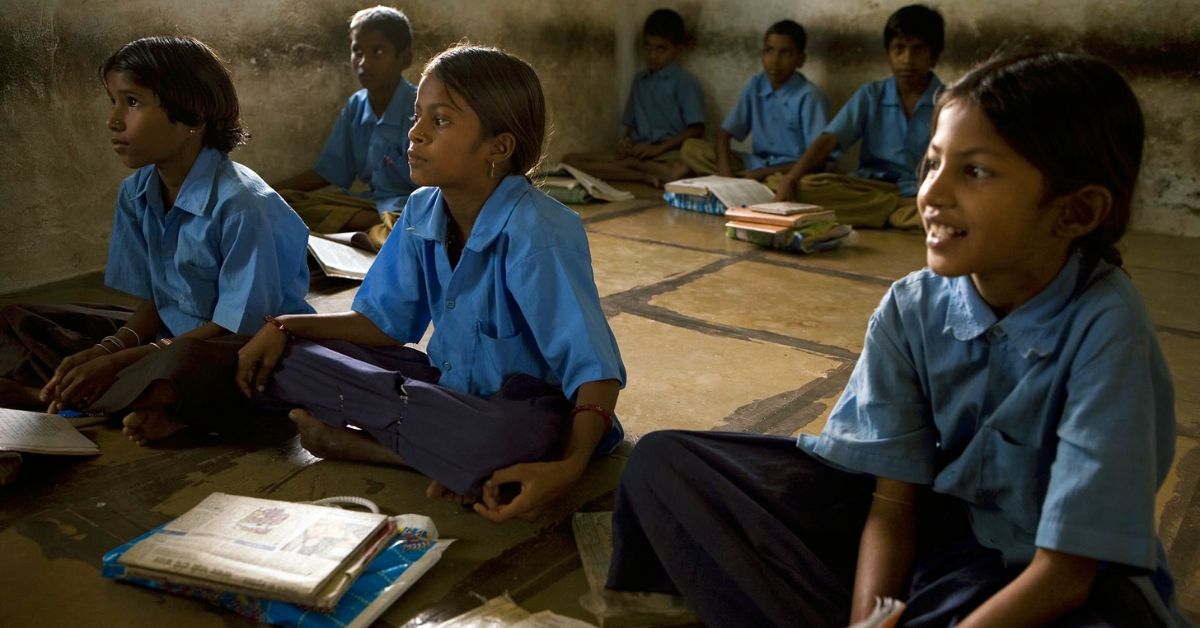
Children benefit greatly from education in terms of improving their quality of life. It increases their knowledge, develops their potential, and helps them become more empathetic and socially adept. The cornerstone for analytical thinking and overall human growth is education. To ensure that all children in our nation have access to the resources necessary for regular and quality education, attending school, and completing their education, it is necessary to concentrate on children's education in India.
Children are denied an education for a variety of reasons; numerous students are forced to leave school, either to work at a tender age or because they are required to get married. Gender inequality is another unfortunate reality where boys are prioritized over girls, particularly in many semi-urban regions and other rural areas. Financial limitations are another reason why children, particularly young girls, are denied an education. Many families that are struggling with poverty do not prioritize education and see it as a waste of time and money.
Also Read: Children's Rights to Protection
According to DISE 2016-17 and RGI Census Population Projection 2016, almost 46.24 children were not enrolled in school. But the many long-term benefits of education can help children learn to defend themselves in a variety of ways. Education can protect them from harmful practices like child labor and child marriage and pull them out of the vicious cycle of generational poverty. Education is one of the constructive means that ensures children grow up to have a stable job and a steady income instead of becoming a daily wage earner.
Also Read: Right to Education Act
To support India’s underprivileged children, CRY, India’s top NGO, has been working rigorously for a couple of decades now to bridge the education gap through varied, focused efforts. CRY is one of the NGOs working for education in India, which has led to 85% of children in the CRY project regions, between the ages of 6 and 18 years, being enrolled in school (according to the ASER study, our enrollment and retention rates in the 6–14 age group are 15% higher than the overall enrollment status in India). Your kind contribution can help make a meaningful difference and guarantee that children have a more promising and bright future. Donate to avail of an income tax exemption now!
Social media is now a regular part of many children's lives, helping them learn, connect and have fun. However, it also brings risks such as bullying....
Read More
A hotter summer can mean more than an uncomfortable day for a child. It can make it harder to concentrate in class or spend time outdoors. Heavy rain....
Read More All our efforts are made possible only because of your support
 Your donations are tax exempted under 80G of the Indian Income Tax Act
 Your donation transactions are completely safe and secure


Spread the word on social media and join the movement to raise awareness about the importance of girls completing their education.


Spread the word on social media and join the movement to end the shame around periods. #LetsTalkAboutPeriods