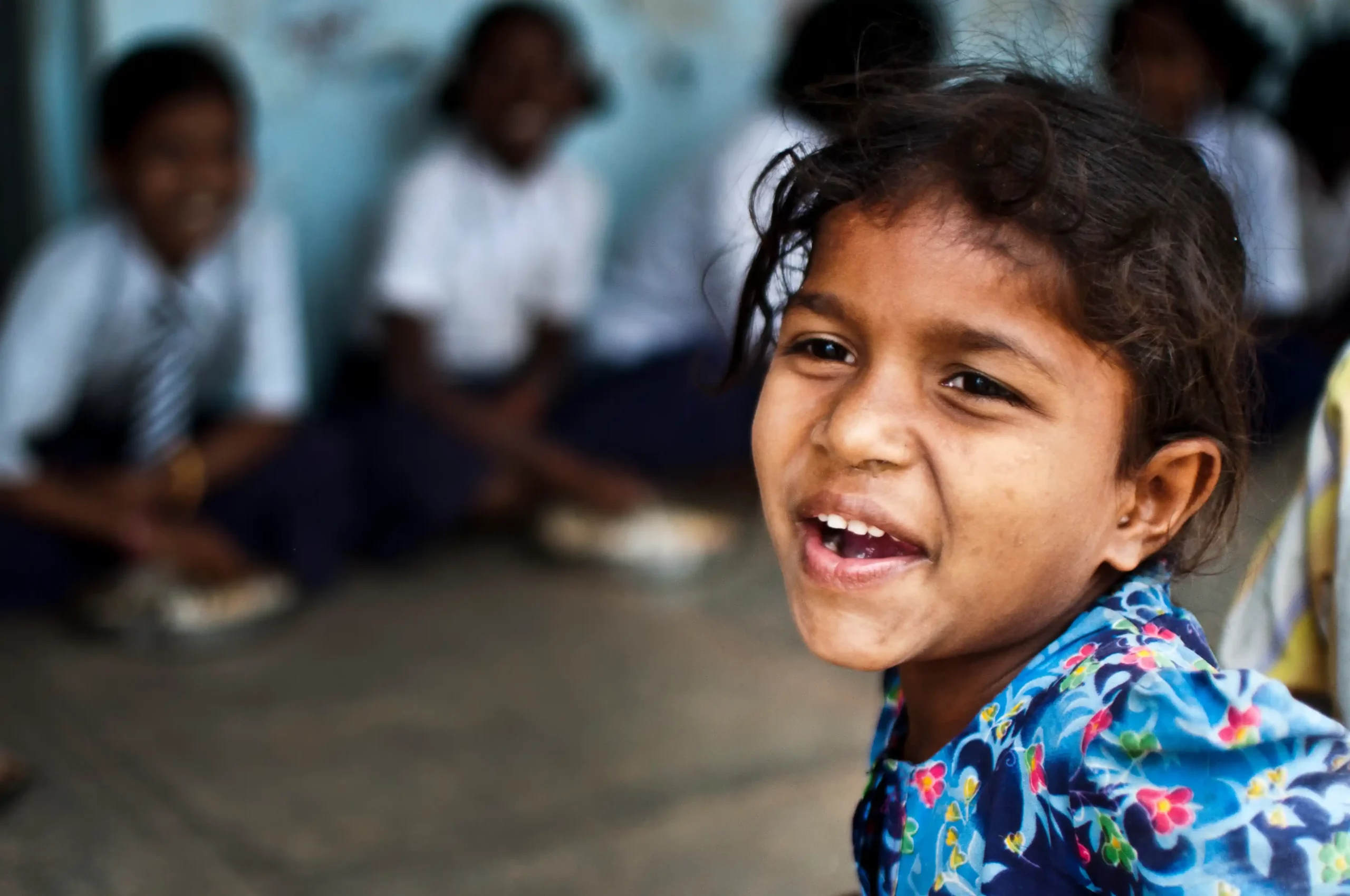
Child Participation: Why Every Child’s Voice Matters in Building a Better India
Children are affected by decisions made at home, in schools and across communities, yet their perspectives are not always included in those decisions....
Read More
Child rights recognize the fundamental human rights and protections that should be guaranteed to all children as vulnerable members of society. They constitute civil, political, economic, social and cultural entitlements needed to nurture the full potential of every child. Protecting and promoting the importance of child rights ensures every child's well-being and future prospects are safeguarded.
Child rights are fundamental human rights that ensure every child’s survival, development, protection, and participation. In India, despite legal safeguards and policy progress, millions of children still face abuse, neglect, malnutrition, child labour, and unequal access to education and healthcare. Protecting child rights requires strong laws, effective implementation, community awareness, and active participation from civil society and NGOs like CRY India. Ensuring child rights is essential for building an equitable, inclusive, and sustainable future for the nation.
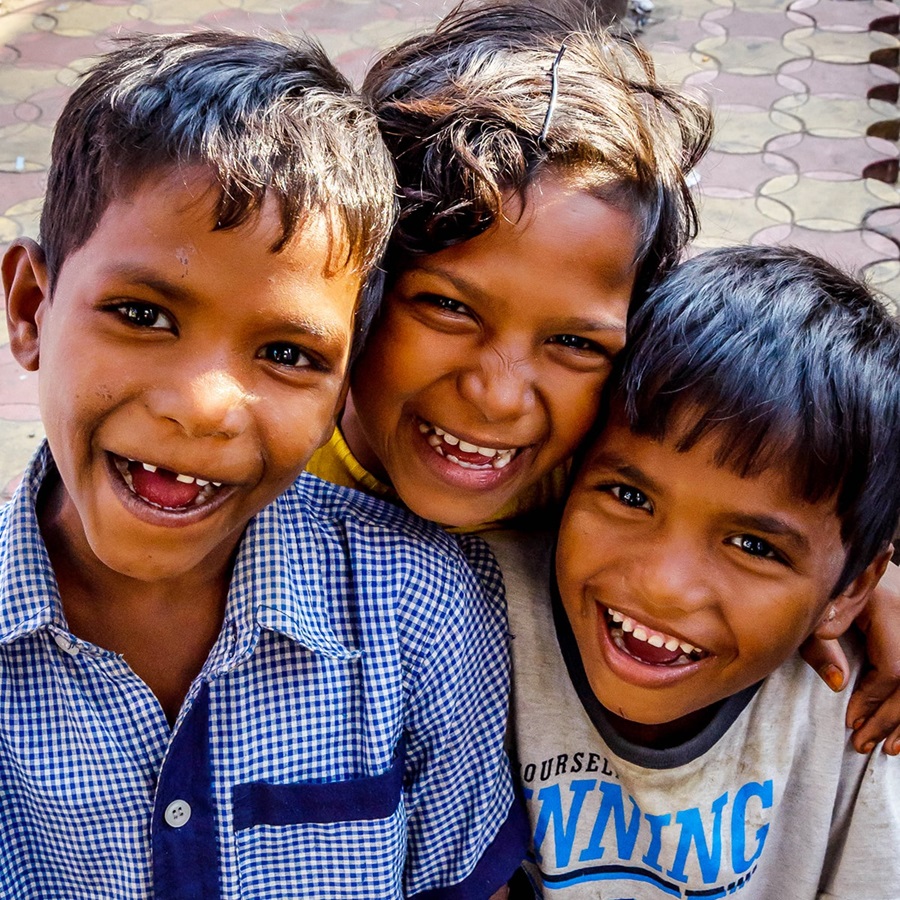
Child rights are a set of universal entitlements, protections and freedoms legally granted to all children under 18. They are a specific subsection of overall human rights catering to children's distinct needs and best interests during their critical growing years.
Some of the key rights and protections guaranteed to children through domestic and international laws include:
Child rights and protection are vital because childhood shapes an individual’s physical, emotional, and cognitive development. When children are protected from violence, exploitation, and neglect, they are more likely to grow into healthy, educated, and responsible adults. Safeguarding child rights reduces poverty, inequality, and social injustice while strengthening national development. A society that prioritises children’s well-being builds a safer future by breaking intergenerational cycles of deprivation, discrimination, and abuse.
India’s approach to child rights has evolved from welfare-based policies to a rights-based legal framework. Constitutional provisions, international commitments like the UNCRC, and laws such as the Right to Education Act and Juvenile Justice Act reflect this shift. Over time, focus has expanded from survival to holistic development, participation, and protection, recognising children as rights-holders rather than passive beneficiaries.
India has the largest child population in the world, with over 431 million children, as per the latest census data. (Source: UNICEF, 2023). Ensuring their well-being through child rights becomes even more crucial with such a large number.
This economic progress is a positive step. However, significant inequalities based on gender, caste, class, and religion still exist. This results in millions of children facing challenges like malnutrition, child marriage, and child labour.
Whereas, child rights ensure that every child is treated equally and has the chance to be safe, free, and grow up well. When children have these rights, it helps reduce poverty and supports long-lasting growth for everyone.
Also Read: Importance of Child Rights
While there has been progress in raising social awareness, improving legislation, and encouraging action to eliminate child violence, abuse, and exploitation, more work remains to be done to ensure survivors and their families receive sensitive, timely, and efficient protection and services.
Here are some ways that you can protect child rights in India:
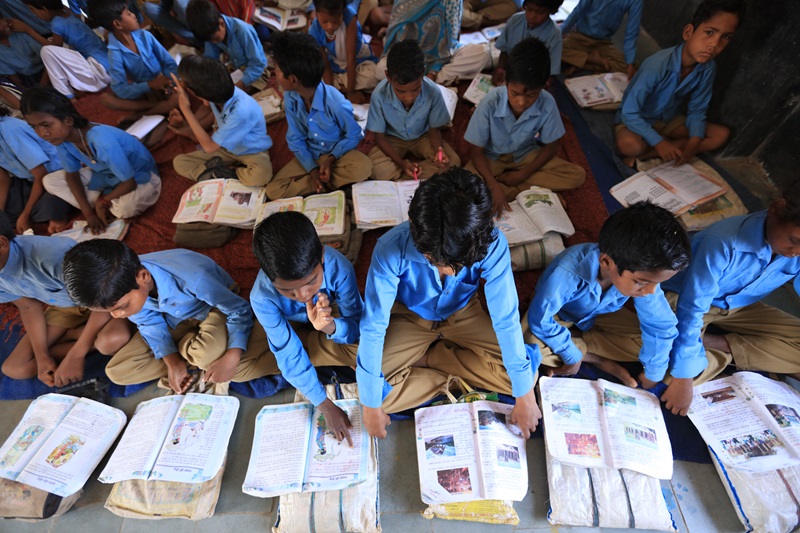
A key priority is implementing mandatory awareness programs on child rights across school curriculums from the early stages of education. This needs to be supplemented by mass education campaigns through media, especially regional media, focused on eliminating prevailing practices that violate child rights, like child marriage and hazardous child labour.
Expanding immunisation coverage and tackling malnutrition must be urgently tackled through flagship government health programs such as the Integrated Child Development Services Scheme (ICDS) and public health infrastructure improvements to enable healthy physical and cognitive growth.
This includes improving access to clean drinking water, sanitation facilities and healthcare infrastructure, especially in rural areas. An equity lens has to be taken to address systemic disadvantages that currently exclude vulnerable communities and girls from accessing quality healthcare resources.
Also Read: Cyber Crime Against Children
Eradicating child labor requires a three-pronged approach - strict ban and penalties against employment of children below 14 years, rigorous and regular monitoring of hazardous industries like mining, fireworks, glass manufacturing, etc., known for employing children, and finally, rehabilitation programs providing counselling, transitional education and vocational skill training to rescued child workers for them to have better prospects. Within enforcement, issues like child trafficking for labour also have to be severely penalised.
Also Read: Causes of Child Labour
Having an accessible local child rights protection ecosystem is vital for assisting children facing abandonment, violence, trafficking, substance abuse and other scenarios of adversity. This means having well-funded and rigorously trained protection officers in every block/taluka to assist vulnerable children. It also means expanding child helplines, shelters and counselling services catering to issues children face like sexual abuse, child marriage, and unsafe migration.
Also Read: Right to education
NGO partnerships in delivering government welfare schemes can enable wider reach and innovation. Leading child rights NGO such as CRY India play an invaluable role through initiatives enabling access to education, medicines, and food for underprivileged children while eliminating child labour, child marriage and other harms impeding development.
Such NGOs drive critical work that the state and communities cannot fulfil alone. Hence, encouraging NGO activism through public interest litigations can highlight systemic gaps needing urgent policy and legislative reform in the child protection system.
At the fundamental level, all the laws and rights protecting children, such as the right to education and the prohibition of child marriage, must be enforced consistently and without any influence from social pressures or biases. Simultaneously, inconsistencies between central and state-level regulations must be identified and harmonized with child rights-based legal principles, resolving any conflicts or uncertainties in interpretation.
Also Read: Child Protection Policy
Protecting child rights requires coordination between legal systems, government institutions, communities, families, and civil society. While laws provide the framework, societal awareness and community vigilance ensure effective implementation. NGOs, educators, healthcare workers, and media act as critical links, helping identify violations, support vulnerable children, and advocate for systemic reforms to uphold child rights.
CRY India works extensively across the spheres of education, healthcare, safety and empowerment to protect child rights across India. We currently operate in 19 states with 102 project partners at the grassroots level, focusing on critical child rights issues like education, safety & protection, health & nutrition, and child participation. Our approach integrates efforts from families, communities, children themselves, the public, and government bodies, to tackle critical child rights issues.
As highlighted in a brief on empowering the girl child, CRY India implements comprehensive education initiatives and healthcare advocacy for girls while campaigning against early child marriages. It engages communities to transform mindsets and promotes gender equality. CRY India work towards creating an environment where children can grow, learn, and thrive while having their rights protected and upheld.
Also Read: Types of Child Labour
Every child deserves to be treated fairly, equitably, and with the utmost decency, regardless of their differences. They have the same basic rights regardless of their race, colour, caste, creed, language, ethnicity, or gender.
Therefore, the country, its citizens, and the government must come together and speak out against any atrocities committed against children. Only by ending child suffering and fostering their holistic well-being can India ensure a secure future.
Also Read: Rights of Child
Protecting child rights ensures children grow up in safe, nurturing environments free from abuse and neglect. Emotional security, access to education, healthcare, and protection services builds self-esteem, resilience, and trust, supporting healthy mental and emotional development throughout childhood and adolescence.
Education empowers children with knowledge about their rights and builds life skills. It reduces vulnerability to exploitation, child labour, and early marriage while promoting equality, critical thinking, and participation. Schools also act as protective spaces where violations can be identified early.
Communities play a key role by reporting abuse, discouraging harmful practices, supporting families, and promoting awareness. Local vigilance committees, parents, teachers, and youth groups can create safe environments that prioritise children’s welfare and uphold their rights collectively.
The media can highlight child rights violations, promote positive narratives, and spread awareness about laws and support systems. Responsible reporting educates the public, influences policy, challenges social norms, and amplifies the voices of children and child-focused organisations.
Children are affected by decisions made at home, in schools and across communities, yet their perspectives are not always included in those decisions....
Read More
Introduction to Social skills for childrenChildren grow and learn not only through books and lessons but also through everyday interactions with ....
Read More All our efforts are made possible only because of your support
 Your donations are tax exempted under 80G of the Indian Income Tax Act
 Your donation transactions are completely safe and secure


Spread the word on social media and join the movement to raise awareness about the importance of girls completing their education.


Spread the word on social media and join the movement to end the shame around periods. #LetsTalkAboutPeriods