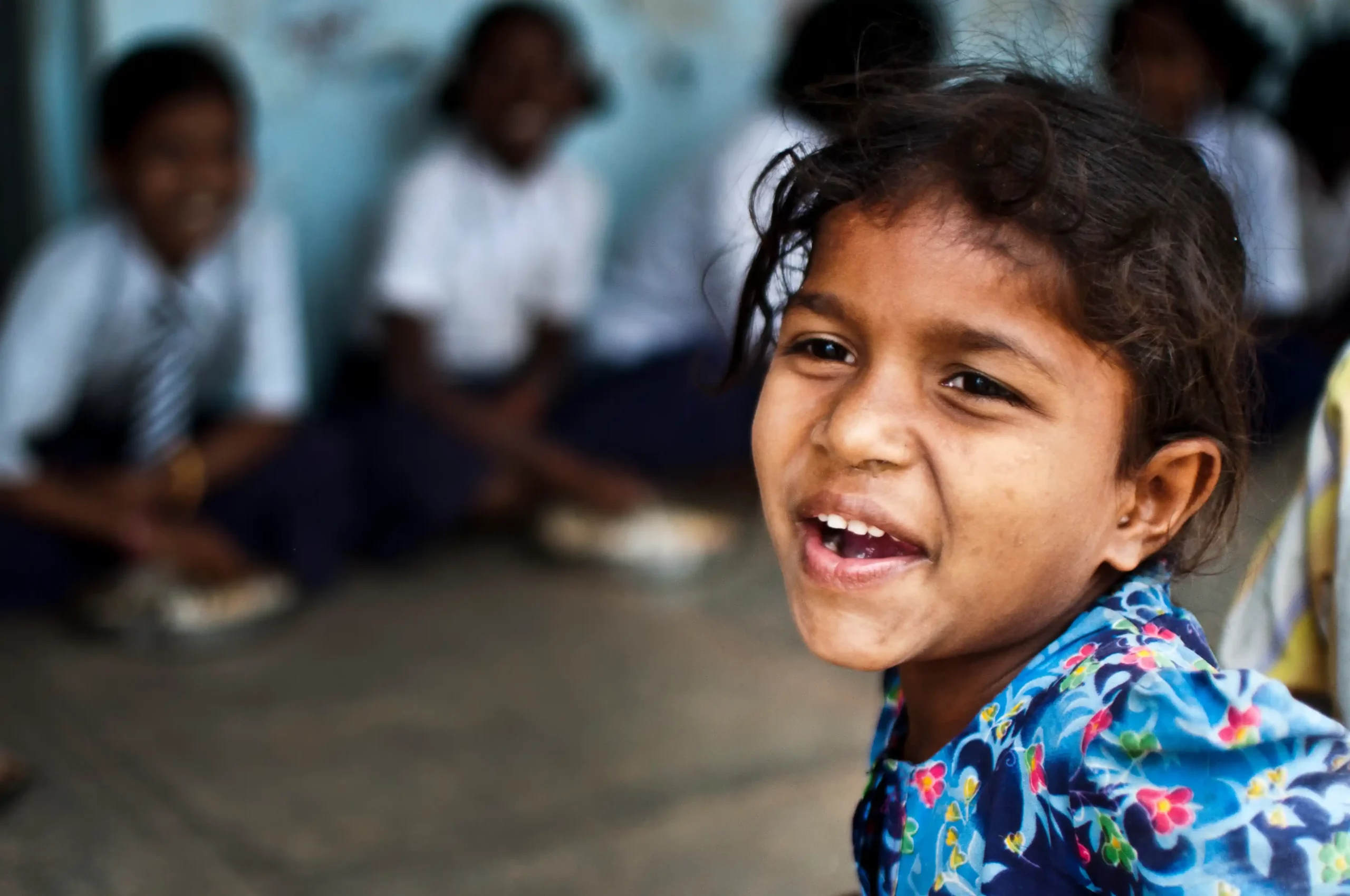
Child Participation: Why Every Child’s Voice Matters in Building a Better India
Children are affected by decisions made at home, in schools and across communities, yet their perspectives are not always included in those decisions....
Read More
Children grow and learn not only through books and lessons but also through everyday interactions with the people around them. Social skills for children help them communicate, cooperate, understand emotions, and build healthy relationships. These abilities shape how children express themselves, solve problems, and participate confidently in school and community life. When children are given opportunities to practise these skills early, they develop stronger emotional awareness, empathy, and teamwork. Encouraging social growth through meaningful experiences and simple activities helps children build confidence and prepare for the responsibilities and relationships they will encounter throughout life.
Social skills for children play a crucial role in shaping how children interact with peers, teachers, family members, and the wider community. These skills include communication, listening, cooperation, empathy, and the ability to resolve disagreements respectfully. Children who develop these abilities early often find it easier to adapt to school environments, participate in group activities, and build friendships. Strong social skills also support emotional well-being by helping children understand their own feelings and respond thoughtfully to others. When nurtured consistently, these skills become the foundation for healthy relationships and positive participation in society.
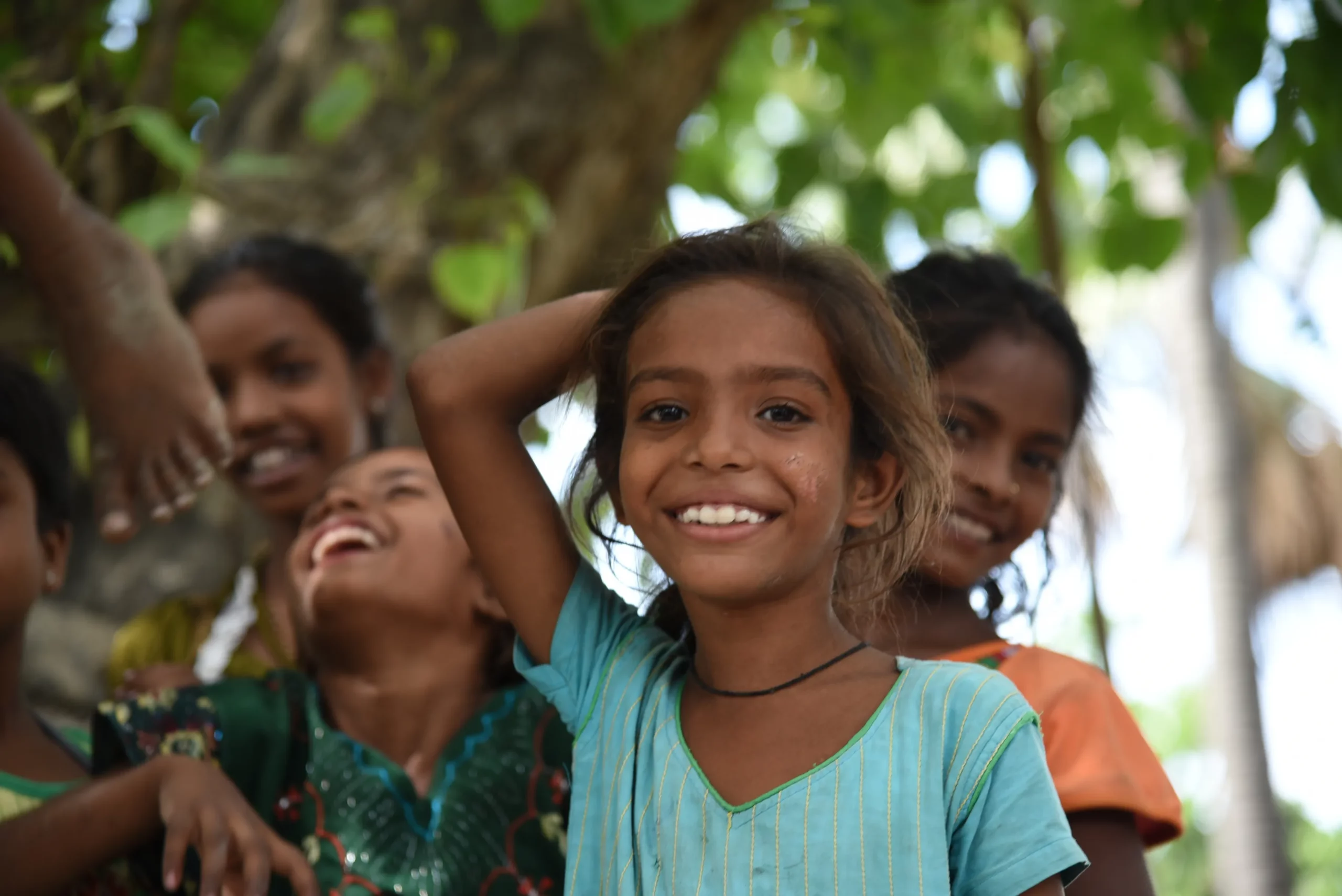
Early childhood is a period when habits, attitudes, and behaviours begin to take shape. When children are encouraged to interact respectfully, share ideas, and listen to others, they begin to understand how relationships work. Social skills activities for children help create opportunities where cooperation and communication become natural parts of everyday life. Activities such as storytelling, group play, and collaborative learning encourage children to express their thoughts while respecting the perspectives of others. Over time, these experiences strengthen confidence and help children feel comfortable participating in both academic and social settings.
Children who develop strong interpersonal abilities often experience benefits that extend well beyond childhood. Positive social behaviours contribute to better collaboration in school, stronger friendships, and improved emotional resilience. Activities for children to develop social skills also help build problem-solving abilities and patience, which are valuable in both personal and professional environments later in life. When children learn to communicate effectively and understand others’ emotions, they become more capable of handling challenges and contributing positively to their communities.
Across many communities, children may face barriers that limit opportunities for interaction, learning, and personal development. Non-profit organisations working for children’s rights help bridge these gaps by creating safe spaces where children can learn, play, and grow together. Programmes that focus on education, participation, and community engagement allow children to practise communication and teamwork in supportive environments. By encouraging inclusive learning spaces, such initiatives contribute to building social skills for children in communities where opportunities may otherwise be limited.
Child-focused initiatives often integrate social learning within educational programmes so that children learn collaboration and empathy alongside academic subjects. Through group discussions, peer learning activities, and community events, children are encouraged to participate actively and share ideas. Social skills activities for children within these programmes help children practise listening, cooperation, and respectful communication. Such experiences build confidence and help children understand the importance of supporting one another.
A supportive environment plays a vital role in helping children develop meaningful relationships and healthy behaviours. Community learning spaces, child clubs, and school-based activities provide opportunities for children to interact, discuss ideas, and work collectively on small projects. Activities for children to develop social skills in these settings encourage teamwork, problem-solving, and mutual respect. When children experience a sense of belonging and encouragement, they are more likely to express themselves freely and build positive connections with peers.
Also Read: World Happiness Day
Simple everyday activities can help children practise cooperation, empathy, and communication in enjoyable ways. These activities encourage children to listen to others, share ideas, and understand group dynamics. Social skills activities for children do not always require complex planning. Many can be integrated into daily routines at school, at home, or in community spaces.
Examples of activities that help strengthen social skills include:
• Group storytelling sessions where each child contributes to a shared story
• Cooperative art projects that encourage children to work together
• Problem-solving games that require teamwork
• Community clean-up or gardening activities that promote shared responsibility
• Classroom discussion circles where children practise listening and speaking respectfully
• Team-based sports that build cooperation and leadership
• Board games that encourage turn-taking and fair play
• Role-playing exercises that explore real-life situations
• Peer mentoring activities where older children guide younger ones
• Collaborative science or craft projects that involve group planning
Extracurricular experiences provide valuable opportunities for children to interact beyond the classroom. Sports, arts, music, and cultural activities encourage collaboration and communication among participants. These environments allow children to practise patience, teamwork, and mutual respect while pursuing shared interests. Social skills for children often strengthen naturally when children participate in activities that involve cooperation and creative expression.
Group-based tasks help children understand the value of cooperation and shared responsibility. Activities for children to develop social skills often include small team projects where children must plan, discuss ideas, and make decisions together. Through these experiences, children begin to appreciate diverse perspectives and learn how to contribute positively to group goals. Over time, such participation encourages leadership qualities and helps children build confidence in guiding and supporting peers.
Board games are simple yet effective tools for encouraging interaction and communication. Many games require children to take turns, follow rules, and respond thoughtfully to the actions of others. These elements naturally encourage patience and cooperation. Social skills activities for children such as board games also create relaxed environments where children can learn how to handle both success and setbacks in constructive ways.
Also Read: Child Protection Policy
Empathy and emotional awareness are essential parts of social development. Children who understand how their actions affect others are more likely to form respectful and supportive relationships. Encouraging discussions about feelings and experiences helps children learn how to recognise emotions and respond thoughtfully. Activities that promote empathy and emotional management help children develop compassion, patience, and a deeper understanding of people around them.
Brainstorming sessions encourage children to think about situations from different perspectives. In these exercises, children may discuss how someone might feel in certain scenarios and explore ways to respond with kindness and understanding. Activities for children to develop social skills that focus on empathy encourage reflection and thoughtful conversation. Such discussions help children recognise the importance of caring for others and supporting peers during difficult situations.
Role-playing activities allow children to practise handling everyday social situations in a safe environment. By acting out common scenarios such as resolving disagreements or helping a friend, children learn how to manage emotions and communicate calmly. Social skills activities for children that include role-playing help children understand the impact of their words and actions, encouraging more respectful interactions in real-life situations.
Also Read: Importance of Child Rights
Social development plays a vital role in shaping confident, compassionate, and responsible individuals. Social skills for children help them build meaningful relationships, participate in group learning, and contribute positively to their communities. Through supportive environments and engaging activities, children can develop empathy, communication abilities, and teamwork. Investing time and attention in nurturing these skills ensures that children grow into individuals capable of creating inclusive, respectful, and collaborative societies.
Activities that encourage interaction and cooperation help improve sociability in children. Through its community-based programmes, CRY enables children to participate in group learning, storytelling, and team activities. These social skills activities for children create safe spaces for communication, helping children build confidence, friendships, and positive social behaviours.
Board games encourage turn-taking, patience, and cooperation, which are essential social skills. In safe learning environments supported by CRY, such interactive activities help children practise communication and fairness. These experiences allow children to engage with peers meaningfully while learning to handle both success and challenges in a balanced way.
Empathy and emotional management help children understand feelings and respond with care and respect. CRY’s programmes encourage discussions and group activities that support emotional awareness. These efforts help children build stronger relationships, reduce conflicts, and develop the ability to navigate social situations with patience and understanding.
Parents and guardians play a key role by encouraging communication and respectful behaviour. When supported by initiatives like those led by CRY India, children gain more opportunities to participate in group activities and peer interactions. This combined support system helps strengthen social skills for children in both home and community environments.
Children are affected by decisions made at home, in schools and across communities, yet their perspectives are not always included in those decisions....
Read More
Every child deserves a safe childhood — a chance to learn, play, and grow without fear. The Protection of Child Rights Act and related laws aim to ....
Read More All our efforts are made possible only because of your support
 Your donations are tax exempted under 80G of the Indian Income Tax Act
 Your donation transactions are completely safe and secure


Spread the word on social media and join the movement to raise awareness about the importance of girls completing their education.


Spread the word on social media and join the movement to end the shame around periods. #LetsTalkAboutPeriods