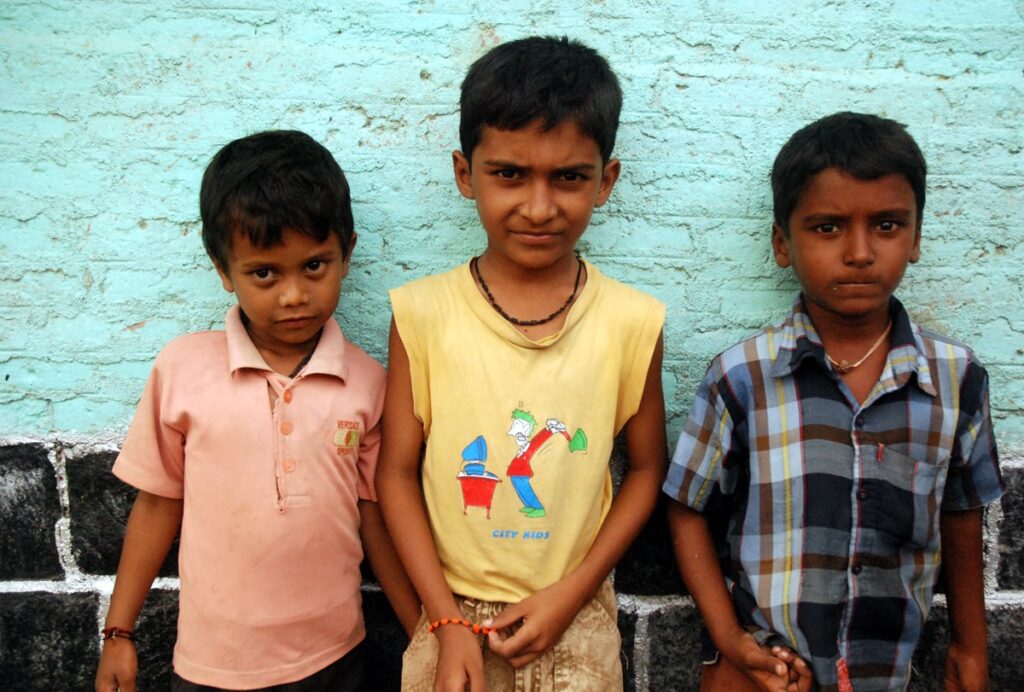
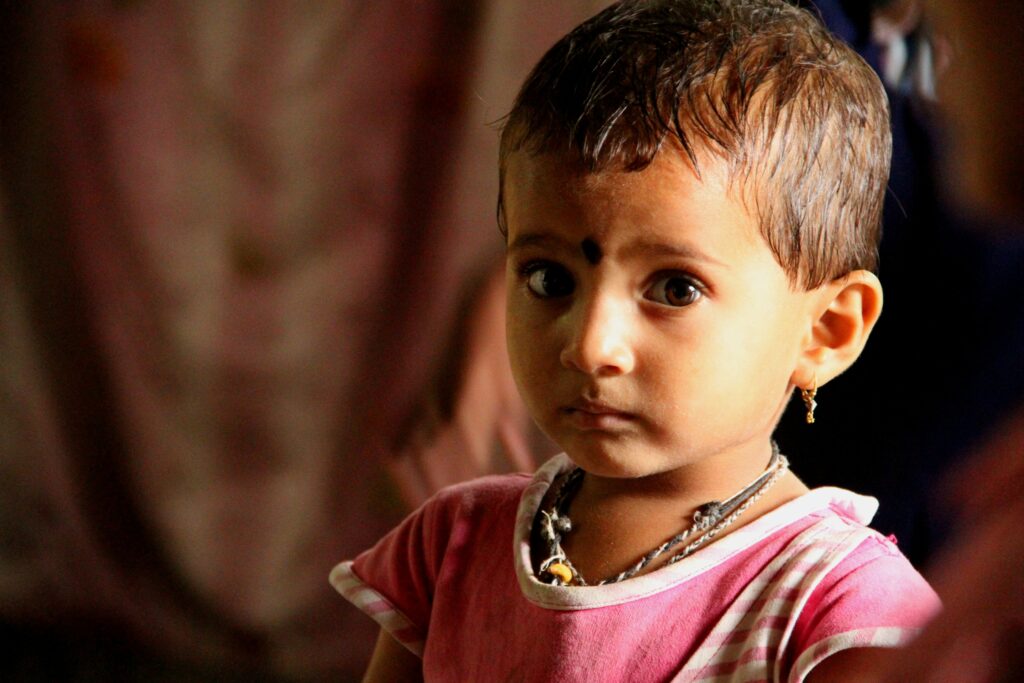
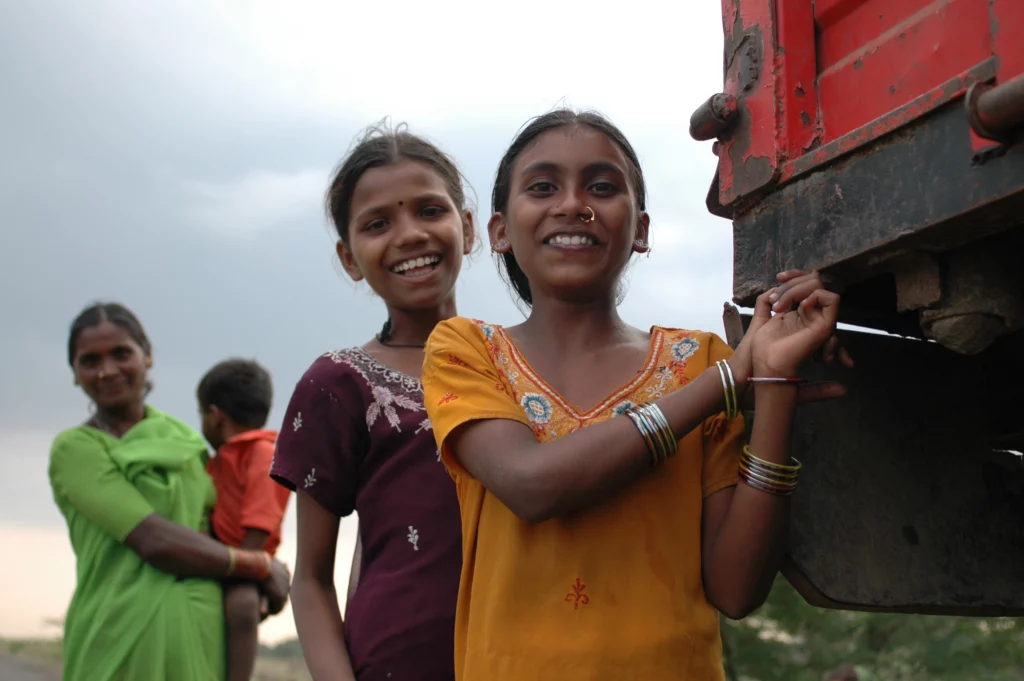
Child labour and poverty are deeply connected issues in India, with millions of children forced into work due to economic necessity. This harmful practice robs children of their childhood, deprives them of education, and traps families in a cycle of poverty. Understanding the root causes of child labour is crucial in addressing this intersection, as the solutions lie not only in rescuing children but also in alleviating the poverty that drives them into labour.
Impact of Child Labour on Poverty
Child labour deepens the issue of poverty by perpetuating a vicious cycle where children who work are denied education, leading to limited opportunities for economic advancement. This perpetuates a state of deprivation that affects not only the individual child but also their family and future generations.
For many families living in poverty, child labour is seen as an economic necessity. With limited income, parents often rely on their children to contribute to the household's survival. This short-term solution, however, leads to long-term consequences, as these children grow up without any skills or education that are needed to break free from the poverty trap.
Lack of Access to Education
One of the root causes of child labour is the lack of access to quality education. When families cannot afford school fees or when schools are too far from home, children are more likely to drop out and enter the workforce. This lack of education perpetuates the cycle of poverty, as uneducated children grow into adults with limited employment opportunities.
Cycle of Poverty
The cycle of poverty is both a cause and a consequence of child labour. Children from underserved families are more likely to be sent to work, and as they grow up without an education, they remain in low-paying, unskilled jobs. This, in turn, keeps their families in poverty, forcing the next generation into the same cycle.
Child labour has severe health implications, contributing to the cycle of poverty. Children engaged in laborious work often suffer from malnutrition, physical injuries, and long-term health issues. Poor health further limits their ability to escape poverty, as they struggle to maintain consistent employment or perform well in school.
Social marginalization
Children involved in labour often face social marginalization, which further embeds them in poverty. They are excluded from social and educational opportunities, leading to a lack of social capital and networks that could help them improve their circumstances. This marginalization can also lead to stigma and discrimination, making it even harder for these children to break free from the cycle of poverty.
Addressing the intersection
To address the intersection of child labour and poverty, a multifaceted approach is required. It involves not only removing children from labour situations but also addressing the root causes that led them there in the first place.
Ensuring access to quality education is key to breaking the cycle of child labour and poverty. Educational initiatives that focus on making school accessible and affordable for all children, particularly those from impoverished backgrounds, are essential. Programs that provide free or subsidized education, school meals, and transportation can help keep children in school and out of the workforce.
Economic support for families
Providing economic support to families is another crucial step in addressing child labour. Programs that offer financial assistance, vocational training, and income-generating opportunities for parents can reduce the economic pressure to send children to work. By improving the overall economic stability of families, children are more likely to stay in school and pursue a better future.
Legislation and enforcement
Strong legislation and enforcement are necessary to combat child labour. Laws prohibiting child labour must be accompanied by effective enforcement mechanisms to ensure compliance. This includes regular inspections, penalties for violations, and support for families to transition their children out of work and into school.
CRY – Child Rights and You has been at the forefront of the fight against child labour in India. Through its interventions, CRY works to address both the immediate and root causes of child labour. CRY’s initiatives include:
Community awareness: CRY conducts awareness campaigns to educate communities about the harmful effects of child labour and the importance of education.
Connecting parents with job opportunities: Preventing children from becoming child labourers by connecting their parents with MNREGA job opportunities
Advocacy and policy influence: CRY advocates for stronger laws and policies to prevent child labour and ensure that all children have access to quality education.
Access to government benefits: Helping vulnerable children complete their education by getting access to government benefits like scholarships and education materials
Establishing education centres: Setting up education centres to help former child labourers complete their education
Through these comprehensive interventions, CRY is working to break the cycle of child labour and poverty, ensuring that every child has the opportunity to lead a healthy, educated, and empowered life. Join us in our fight against child labour. Your donations will help rescue child labour victims, provide them with education and create a safer future for them.
This Independence Day, Let’s Give Every Child the Freedom to Learn – Not the Burden to Work
Independence Day celebrates the freedom, hope, and opportunities that define India's future. Yet for millions of children, freedom remains out of rea....
Why Child Labour Cannot End Without Quality Education: The Missing Link Most People Overlook
Ending child labour is often seen as a matter of stronger laws or financial support for vulnerable families. While both are essential, they address o....