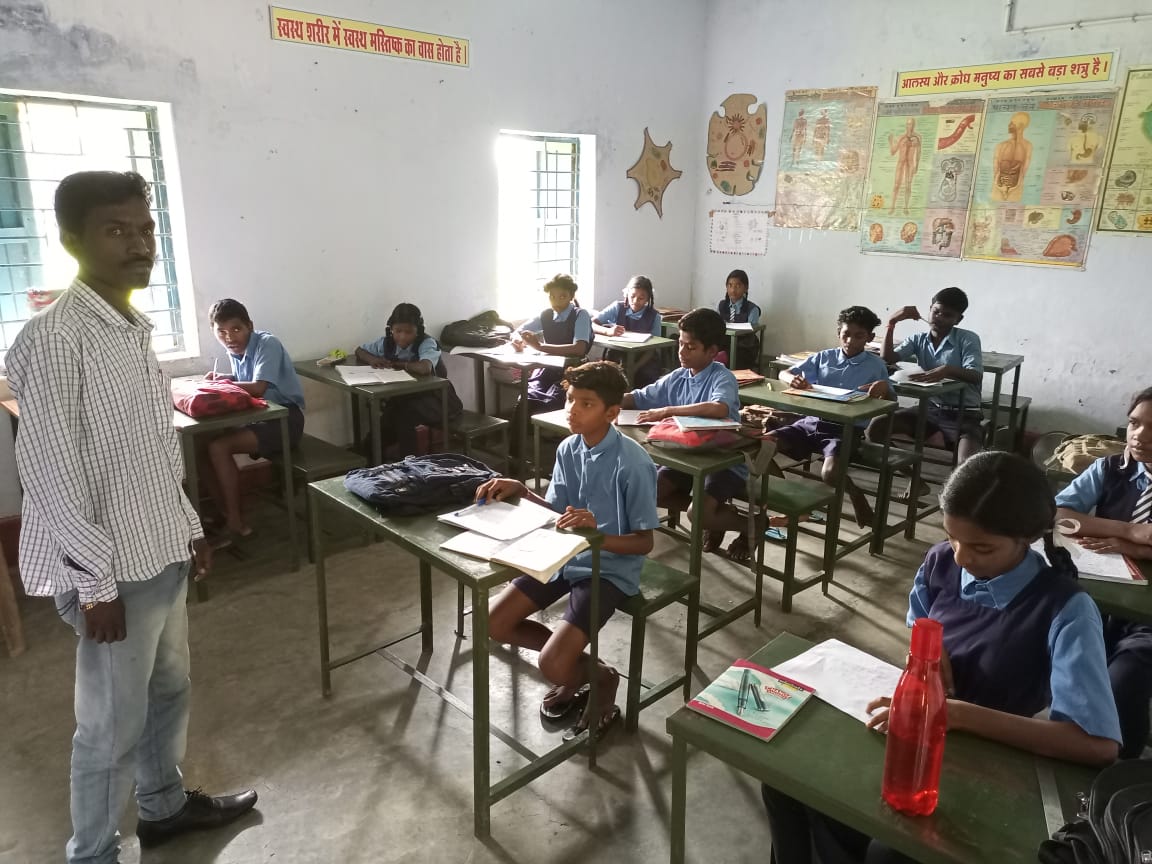
Understanding the ICDS Scheme: Objectives, Guidelines, and Key Functions
The Integrated Child Development Services (ICDS) scheme is one of India’s most critical social welfare initiatives, built to address the interconne....
Read More
Children's right to health encompasses access to proper nutrition, healthcare, clean water, sanitation, and health education. These elements protect children from preventable diseases and help them lead healthy lives.
However, significant challenges still exist in securing this right for all children. Issues like malnutrition, limited healthcare accessibility, inadequate sanitation, and a lack of health awareness continue to hinder progress. So, let's understand these challenges in detail and also explore some measures to tackle them.
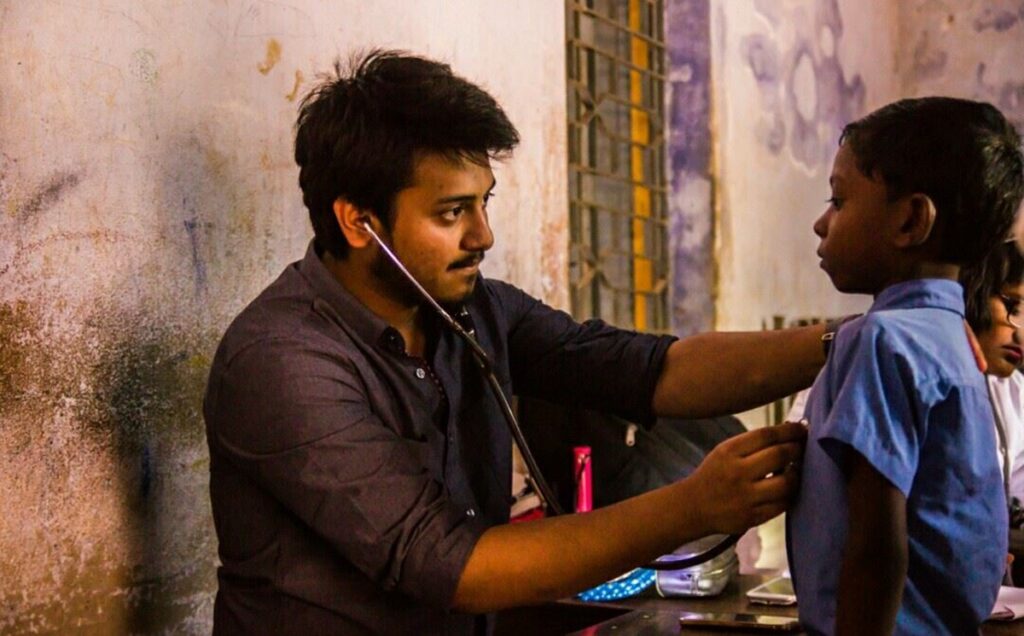
The right to health refers to every individual’s entitlement to the highest attainable standard of physical and mental well-being. It includes not just access to healthcare services, but also the underlying conditions necessary for good health—such as adequate nutrition, safe drinking water, sanitation, and a healthy environment.
In India, the right to health is not explicitly stated as a standalone fundamental right. However, it has been interpreted by the Supreme Court of India as an integral part of the right to life under Article 21 of the Constitution of India. This places a responsibility on the state to ensure access to basic healthcare and essential conditions for well-being.
For children, this right becomes even more critical. It includes safe births, proper nutrition, immunisation, and timely medical care. In communities where organisations like CRY work, this often means supporting access to these essential services while helping families understand and prioritise children’s health needs.
When a child’s health is compromised, it affects not just their present, but their ability to learn, grow, and participate fully in life.
Child rights are fundamental entitlements that every person under 18 should enjoy, regardless of their background or circumstances. These rights, as defined by the United Nations Convention on the Rights of the Child (UNCRC), encompass four key areas (Source: UNICEF):
Child rights are not just lofty ideals but legally binding obligations that governments and societies must uphold.
Also Read: Child Rights
India is home to one of the largest child populations in the world, making children’s right to health a critical national priority.
According to the National Family Health Survey (NFHS-5), a significant number of children under five continue to face challenges like undernutrition and stunting—conditions that can have long-term effects on both physical and cognitive development.
Health challenges that begin early in life often carry forward, affecting education, confidence, and future opportunities.
This is why sustained, on-ground efforts remain essential. In areas where CRY works, improving children’s health is closely linked with strengthening nutrition, increasing awareness, and enabling access to basic services—ensuring that children have a fairer start in life.
Also Read: Right to education
Some of the challenges facing children in India regarding their right to health include:
Malnutrition remains a persistent threat to children's health in India, casting a long shadow over their physical and cognitive development. This isn't just about hunger; it's a complex issue involving undernutrition and hidden hunger (micronutrient deficiencies).
While India has made strides in healthcare provision, many children still lack access to quality medical services. This gap in accessibility is particularly pronounced in rural and economically disadvantaged areas. A few reasons for this gap are:
Poor sanitation and a lack of access to clean water continue to pose serious health risks to Indian children. These issues contribute significantly to the spread of waterborne diseases and parasitic infections.
Lack of health education and awareness among children, parents, and communities contributes to many preventable health issues. This knowledge gap affects everything from nutrition choices to vaccination uptake.
The Indian government has implemented several key programs to address child health and development challenges, including:
NHM serves as the cornerstone of India's public health efforts, focusing on improving child health outcomes. Some specific child-centric initiatives under NHM include:
This flagship program aims to achieve Universal Health Coverage through two main components:
Also Read: Importance of Child Rights
Here are five key strategies that can significantly improve children's health outcomes and ensure their fundamental right to well-being:
Proper nutrition forms the foundation of a child's health and development. It's not just about filling bellies; it's about nourishing growing bodies and minds. A well-balanced diet rich in essential nutrients can boost immune function, enhance cognitive development, and set the stage for lifelong health.
A robust healthcare infrastructure is the backbone of any effective child health program. This means more than just building hospitals; it's about creating a network of accessible, affordable, and high-quality healthcare services tailored to children's unique needs.
Poor hygiene and a lack of access to safe water sources contribute significantly to the spread of waterborne diseases, which remain a leading cause of child mortality in many parts of the world.
To address this basic human right and health issue, we need to:
Knowledge is power, especially when it comes to health. Equipping children, parents, and communities with accurate health information can lead to better decision-making and healthier lifestyles.
To strengthen policy implementation, we should focus on:
Also Read: Causes of Child Marriage
The benefits of prioritising children's health extend far beyond individual well-being, positively impacting families, communities, and the country. By ensuring that every child has access to quality healthcare, proper nutrition, and a safe environment to grow, we're investing in the future of our nation.
As a leading child health and nutrition NGO in India, CRY India believes in every child's right to survival. We understand the critical role nutrition and quality primary healthcare play in a child's overall development. Therefore, we strive to ensure that no child, regardless of their socio-economic background, suffers from malnutrition or poor health. You can make a real difference by contributing to a children's health donation today.
The right to health for children in India is a fundamental aspect of their overall well-being, ensuring access to essential healthcare services, proper nutrition, and a safe environment. This right is protected under various laws and policies to safeguard children's health, providing them with the medical care they need.
Yes, several NGOs, such as CRY India, are actively working to improve children's health in India. As a leading child health and nutrition NGO in India, we believe in every child’s right to health, nutrition and survival. Therefore, we strive to ensure that no child, regardless of their socio-economic background, suffers from malnutrition or poor health.
Individuals can play a significant role in supporting children's right to health in India by donating to organizations like CRY India that are dedicated to improving child health and nutrition. You can also volunteer your time, raise awareness about the importance of health, and advocate for stronger health policies.
In India, the right to health is recognised as part of the right to life under Article 21 of the Constitution of India, as interpreted by the Supreme Court of India. It includes access to healthcare, nutrition, sanitation, and other conditions necessary for a healthy life.
You can make a real difference by contributing to a children's health donation today.
The Integrated Child Development Services (ICDS) scheme is one of India’s most critical social welfare initiatives, built to address the interconne....
Read More
World Health Day reminds the world that every child deserves a healthy start in life. World Health Day is celebrated on 7 April each year to mark the....
Read More All our efforts are made possible only because of your support
 Your donations are tax exempted under 80G of the Indian Income Tax Act
 Your donation transactions are completely safe and secure


Spread the word on social media and join the movement to raise awareness about the importance of girls completing their education.


Spread the word on social media and join the movement to end the shame around periods. #LetsTalkAboutPeriods