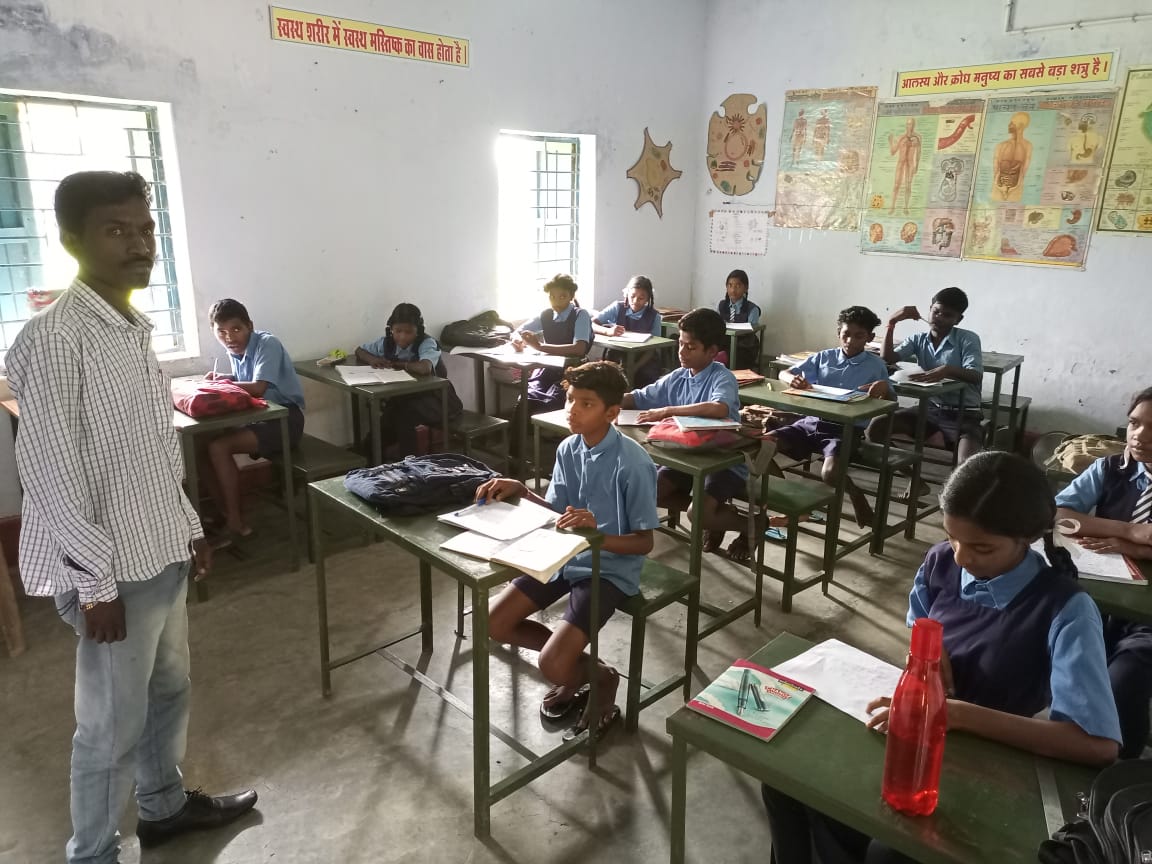
Understanding the ICDS Scheme: Objectives, Guidelines, and Key Functions
The Integrated Child Development Services (ICDS) scheme is one of India’s most critical social welfare initiatives, built to address the interconne....
Read More
World Health Day reminds the world that every child deserves a healthy start in life. World Health Day is celebrated on 7 April each year to mark the founding of the World Health Organization in 1948. The importance of World Health Day lies in raising awareness about global health challenges and encouraging action to protect the most vulnerable, especially children.
Child health in India reflects both progress and struggle. While medical technology and digital systems have improved access to healthcare, many underprivileged families still face barriers to basic treatment. The goal of universal healthcare remains vital so that every child receives care without families falling into financial hardship.
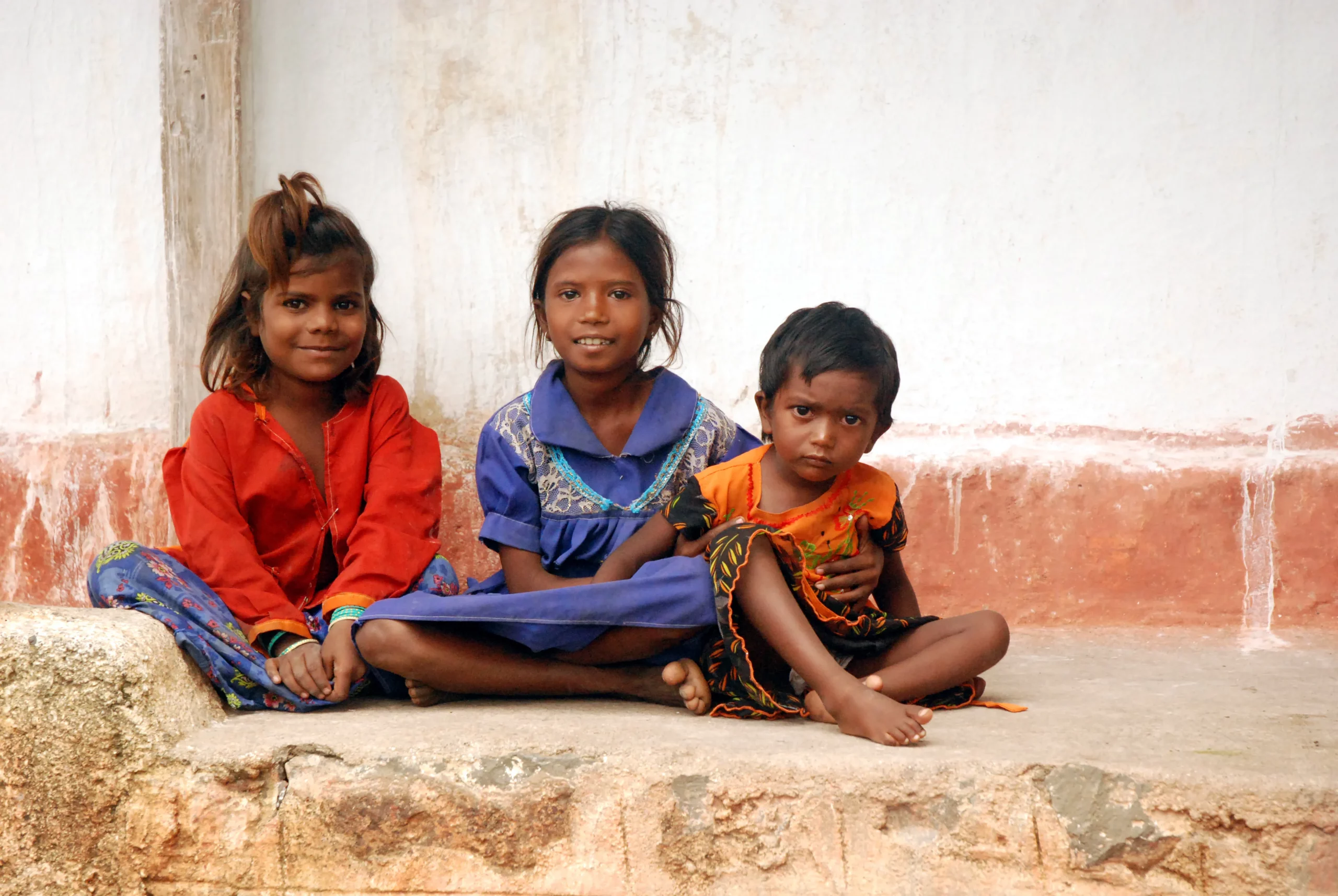
India’s healthcare system is improving through digital platforms and national programmes. Millions now have Ayushman Bharat Health Accounts linking patients with doctors. Maternal mortality has also declined significantly. Yet challenges remain, especially after the pandemic which increased malnutrition and disrupted immunisation for many children in vulnerable communities.
Ensure Proper Nutrition for a Child
Global health programmes play an important role in strengthening national healthcare systems. Through the Sustainable Development Goals, countries aim to achieve “Health for All.” These initiatives encourage governments to improve sanitation, healthcare access, and nutrition so that every child has a fair chance at survival and healthy development.
India has one of the largest child populations in the world. Protecting their health is essential for the country’s future. Poor nutrition, limited healthcare access, and preventable diseases continue to affect millions of children, making child health a national priority.
Malnutrition is one of the biggest threats to child health. It weakens the immune system and increases the risk of diseases such as pneumonia and diarrhoea. Often caused by poverty and lack of nutritious food, malnutrition creates long term health challenges that can affect a child’s growth and learning.
India has made strong progress in reducing infant and child deaths. The Infant Mortality Rate has declined significantly, while under 5 mortality has dropped over the past decades. However, rural and tribal areas still face healthcare access challenges, which means continued efforts are needed to protect newborns and mothers.
Children born into poverty often face barriers to vaccinations, clean water, and safe living conditions. Without access to basic healthcare services, they remain vulnerable to preventable diseases. Lack of awareness and poor access to facilities mean many children miss essential immunisations that protect them from serious illnesses.
Also Read: Nutritional programmes in India
India has introduced several large scale programmes to improve healthcare access for mothers and children. Through improved infrastructure, digital health platforms, and community outreach, the government is working to ensure healthcare services reach even the most remote regions.
The Ayushman Bharat initiative has expanded healthcare access across India. Thousands of Ayushman Arogya Mandirs now provide screenings and primary care services. Millions of families have also received Ayushman health cards, offering financial protection for medical treatment and improving healthcare access for vulnerable communities. While these initiatives have expanded access, awareness and last-mile delivery challenges still prevent many children from fully benefiting.
Nutrition programmes such as Anaemia Mukt Bharat focus on improving the health of mothers and children. These initiatives promote early testing and treatment for anaemia while encouraging proper nutrition. Digital platforms such as U-WIN help track immunisation records, ensuring children receive vaccines on time.
Also Read: Mental Health in Rural India
While national policies guide healthcare improvements, real progress often happens at the community level, where local organisations, health workers, and the dedicated efforts of CRY India help ensure vulnerable children and families receive the care, nutrition, and protection they need.
Non-profit organisations such as CRY India support underprivileged children by improving access to nutrition, education, and healthcare. Their programmes ensure timely vaccinations and provide support to families facing economic hardship. By addressing health, nutrition, and education together, they help children build a stronger future.
ASHA and Anganwadi workers form the backbone of rural healthcare in India. These dedicated women identify pregnant mothers, encourage hospital births, and educate communities about hygiene and vaccinations. Their work helps ensure healthcare reaches even the most remote villages across the country.
The journey toward better child health in India has seen real progress, yet challenges remain. 7 April World Health Day reminds us that protecting children’s health requires continuous effort. By strengthening healthcare systems, supporting organisations, and raising awareness about the importance of World Health Day, we move closer to a future where every child has a healthy start in life.
Also Read: Emotional Development
India faces child health challenges due to poverty, malnutrition, and limited access to healthcare in some regions. Many families struggle with poor sanitation, lack of nutritious food, and delayed vaccinations, which increases the risk of illness among children.
Government initiatives such as Ayushman Bharat, the National Health Mission, and Anaemia Mukt Bharat aim to improve healthcare access for mothers and children. These programmes strengthen health infrastructure, promote nutrition, and support timely immunisation for children.
Yes, non-profit organisations help bridge gaps in healthcare access. They provide nutrition support, raise awareness about vaccinations, and help families reach healthcare services. Their community based approach ensures support reaches vulnerable children who might otherwise be overlooked.
Citizens can support child health by spreading awareness about hygiene, vaccination, and nutrition. Supporting healthcare initiatives, volunteering with community organisations, and encouraging families to seek medical care can help ensure every child receives the support they need.
The Integrated Child Development Services (ICDS) scheme is one of India’s most critical social welfare initiatives, built to address the interconne....
Read More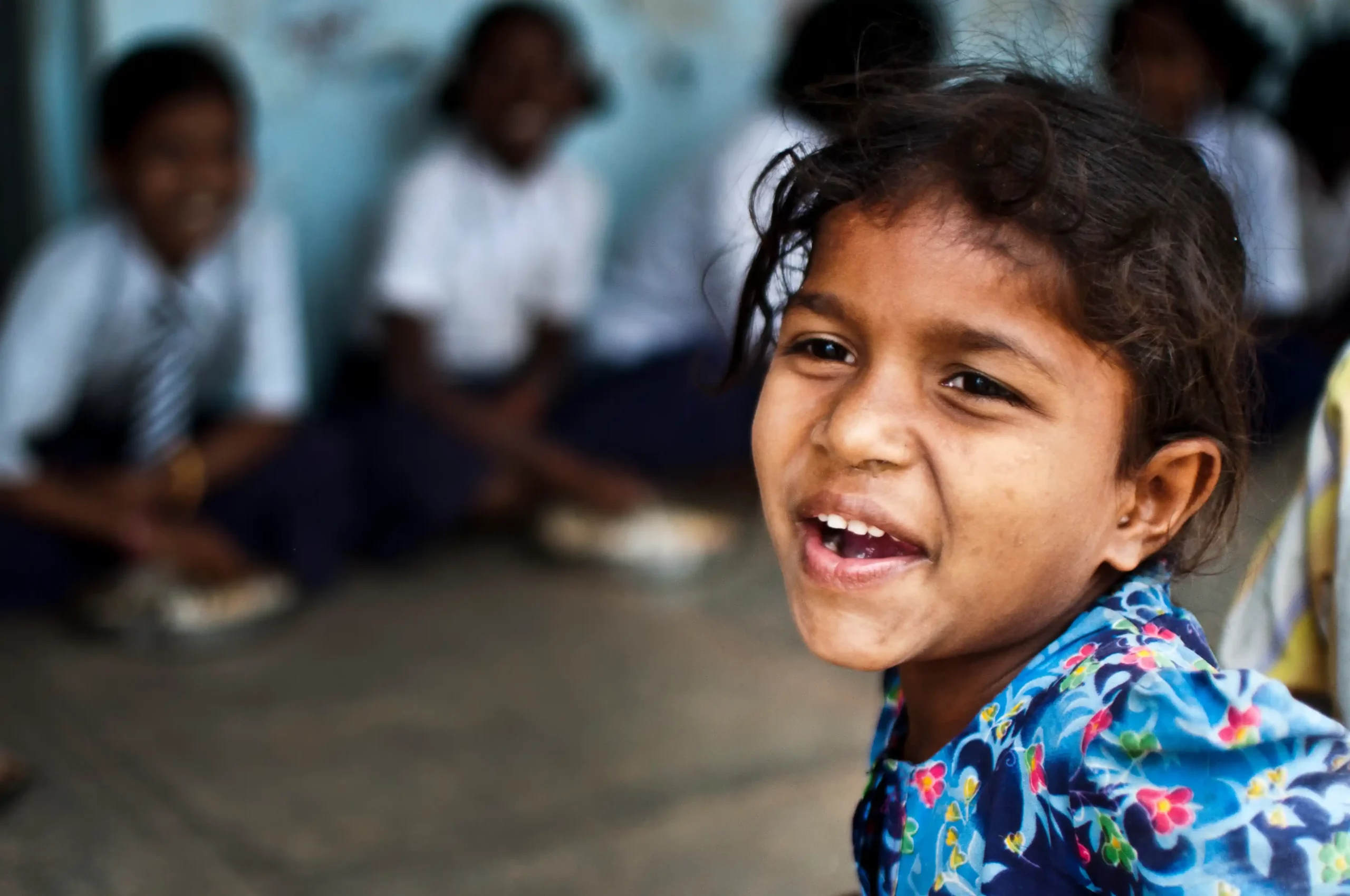
Child health and nutrition are the cornerstones of a nation’s future. In India, where socio-economic inequalities persist, ensuring access to adequ....
Read More All our efforts are made possible only because of your support
 Your donations are tax exempted under 80G of the Indian Income Tax Act
 Your donation transactions are completely safe and secure


Spread the word on social media and join the movement to raise awareness about the importance of girls completing their education.


Spread the word on social media and join the movement to end the shame around periods. #LetsTalkAboutPeriods