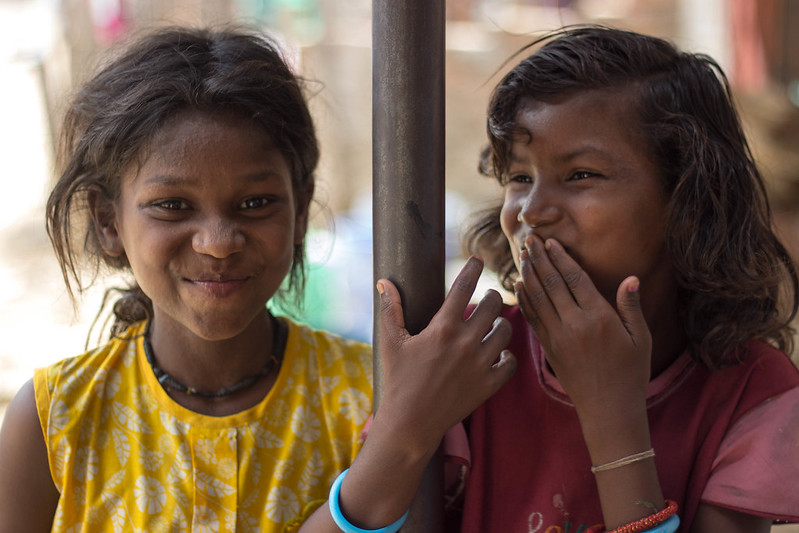
This Republic Day, Help India’s Children #MarchForward to a Healthier Future
Republic Day is a celebration of India’s journey as a republic and the values that guide it – equality, dignity, and collective responsibility. T....
Read More
Republic Day, celebrated on January 26, commemorates the adoption of the Indian Constitution in 1950, symbolizing equality, justice, and democratic rights. It serves as a reminder of the responsibility to protect freedom and promote social welfare. For children, it offers a chance to learn about citizenship, rights, and national values, fostering pride and awareness of fairness, health, and education. When considering how to celebrate republic day, creative ideas include arts and storytelling, small cultural programs, and community service, emphasizing the link between national values and child welfare. This day highlights children’s rights to health, education, and protection, and initiatives like health camps and awareness drives can inspire action surrounding children’s health issues. CRY India's efforts focus on the intersection of health and education, promoting nutritious meals, hygiene, and mental well-being in schools. Supporting CRY this Republic Day contributes to creating safe learning environments for children.
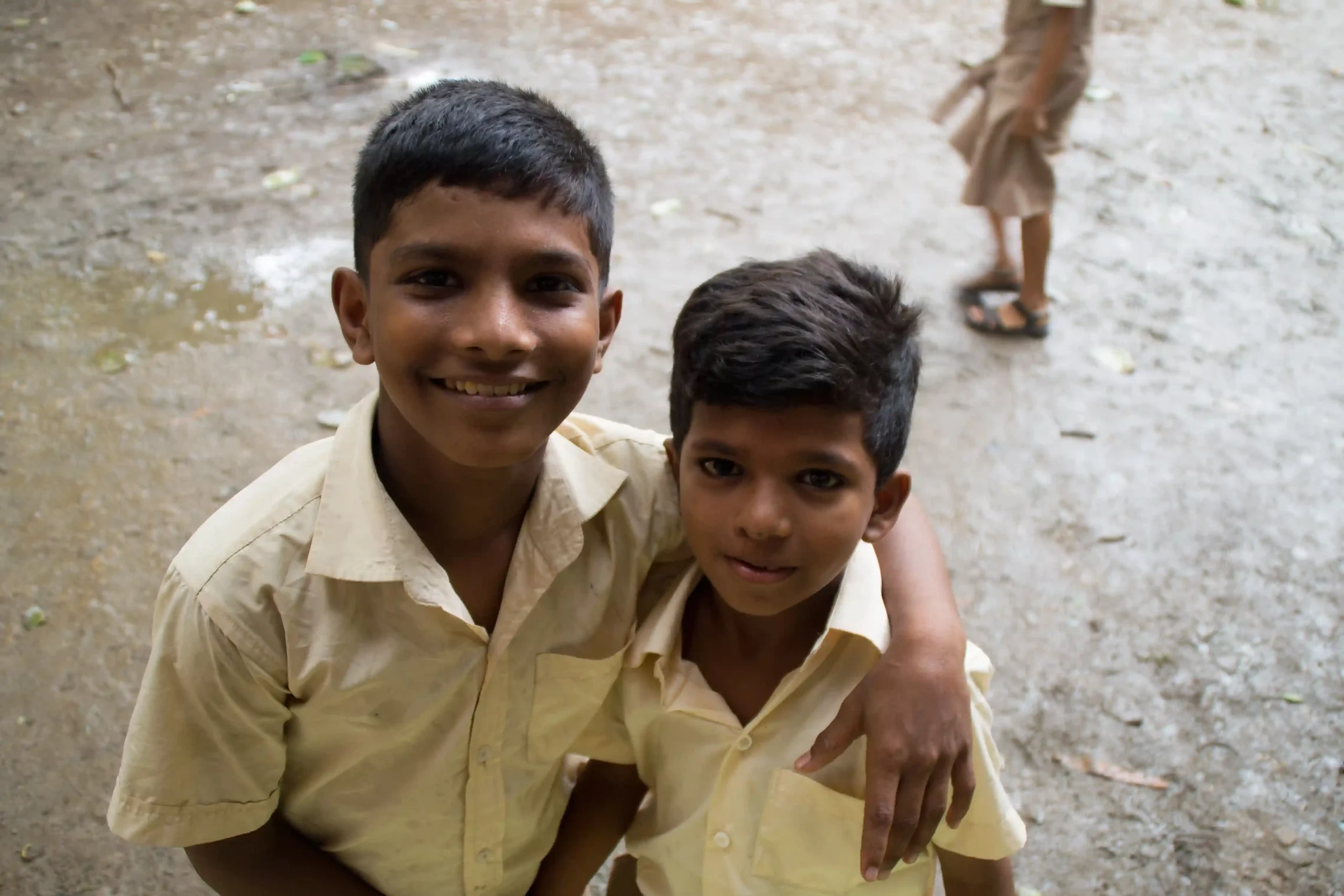
Republic Day is one of the most meaningful national celebrations in India. It marks the day when the Constitution of India came into effect and the country became a sovereign republic. Beyond parades and flags, this day is about values, responsibility, and collective progress, especially for the next generation.
Republic Day, celebrated every year on 26 January, commemorates the adoption of the Indian Constitution in 1950. It symbolises equality, justice, and democratic rights for every citizen. This day reminds us that freedom is not just inherited but protected through shared responsibility. It reflects India’s commitment to social welfare, inclusion, and dignity for all, including children.
For children, Republic Day is an opportunity to learn about citizenship and national values. It helps them understand their rights and duties in a simple and relatable way. Celebrating Republic Day for children encourages pride in the country and builds awareness about fairness, health, education, and equal opportunity from an early age.
Republic Day celebrations can be joyful, educational, and meaningful for children when planned thoughtfully.
Republic Day activities can be simple, creative, and meaningful for children of all ages.
National celebrations provide a strong platform to reflect on social priorities. Republic Day is a powerful moment to focus attention on children’s health and well being.
Republic Day celebration is not only about remembering the past but also about shaping the future. Linking the day with causes like child health, nutrition, and education helps connect national values with everyday life. It reminds citizens that a healthy nation begins with healthy children.
The Constitution guarantees children the right to health, education, and protection. Republic Day reinforces these promises. Conversations around this time help highlight issues such as malnutrition, access to healthcare, and mental well being, encouraging families and communities to act.
Also Read: This Republic Day
Republic Day celebrations can be used as a platform to inspire action and awareness around child welfare.
Health camps, nutrition talks, and awareness drives can be organised around Republic Day. Schools and community centres can invite healthcare professionals to speak about hygiene, balanced diets, and mental health. These efforts make Republic Day celebration more impactful and socially relevant.
Schools can combine Republic Day programmes with initiatives such as health checkups, cleanliness drives, or donation collections for underprivileged children. Communities can work together to support local health centres or child focused programmes. Such efforts show how Republic Day for children can go beyond celebration and lead to change.
Also Read: Importance of Child Rights
CRY India works to ensure that children grow up healthy, educated, and confident. The organisation believes that health and education are deeply connected and must be addressed together.
CRY India works with schools to improve basic infrastructure such as clean toilets, safe drinking water, and nutritious school meals. Regular health check-ups and awareness sessions help children learn about hygiene, nutrition, and mental well-being in practical ways. The organisation also focuses on mental health by providing counselling, safe spaces, and teacher training to help children manage stress and build resilience.
Parents and communities are actively involved so that healthy habits are encouraged at home as well. Through advocacy and partnerships, CRY India works to make health education a core part of school learning across the country.
Also Read: Female Infanticide
This Republic Day, supporting CRY India is a meaningful way to celebrate national values. If you are looking for how to celebrate republic day, your donation helps create safe learning environments, improve access to healthcare, and promote both physical and mental well-being for children. By contributing, you become part of a collective effort to help children grow strong, stay healthy, and dream big.
Support child education through CRY India and help children stay in school, learn well, and dream big.
Also Read: Emotional Development
You can organise storytelling sessions, art competitions, or simple community service activities. These help children connect national values with kindness, responsibility, and care for others.
Republic Day highlights constitutional values such as equality and dignity. It is an ideal time to reflect on children’s rights to health, education, and protection.
CRY India supports school health programmes, infrastructure improvements, regular check - ups, nutrition awareness, and mental health support through counselling and training.
By linking celebrations with discussions, events, and actions focused on child welfare, Republic Day can inspire communities to support healthier and safer futures for children.
Republic Day is a celebration of India’s journey as a republic and the values that guide it – equality, dignity, and collective responsibility. T....
Read More All our efforts are made possible only because of your support
 Your donations are tax exempted under 80G of the Indian Income Tax Act
 Your donation transactions are completely safe and secure


Spread the word on social media and join the movement to raise awareness about the importance of girls completing their education.


Spread the word on social media and join the movement to end the shame around periods. #LetsTalkAboutPeriods