Social Skills for Children: Why They Matter and 10 Simple Activities to Build Them
Introduction to Social skills for children Children grow and learn not only through books and lessons but also through everyday interactions with ....
Read More
Children are affected by decisions made at home, in schools and across communities, yet their perspectives are not always included in those decisions. Child participation means creating meaningful opportunities for children to express their views and have those views considered. It is an important part of children's rights in India and helps build environments where children can contribute to decisions that affect their lives.
Child participation is the process of giving children meaningful opportunities to express their views, share ideas and contribute to decisions that affect them. It goes beyond simply asking children what they think. Their opinions should be listened to, respected and considered in ways appropriate to their age and understanding.
Child participation can happen in families, classrooms, schools, communities and other spaces. When children are encouraged to participate safely and meaningfully, they can contribute valuable perspectives while developing confidence and a greater understanding of their rights and responsibilities.
Every child has the right to express their views on matters that affect them. Child participation rights recognise children as individuals whose opinions deserve to be heard and considered, rather than treating them only as recipients of decisions made by adults.
The participation rights of child also recognise that children's ability to express their views develops with age and experience. Creating opportunities for children to speak, while providing appropriate guidance and protection, can help ensure that decisions affecting them reflect their experiences and needs.
Respecting these rights is an important part of building inclusive schools, communities and institutions where children can participate with dignity.
Also Read: https://www.cry.org/blog/the-role-of-advocacy-in-ensuring-childrens-rights/
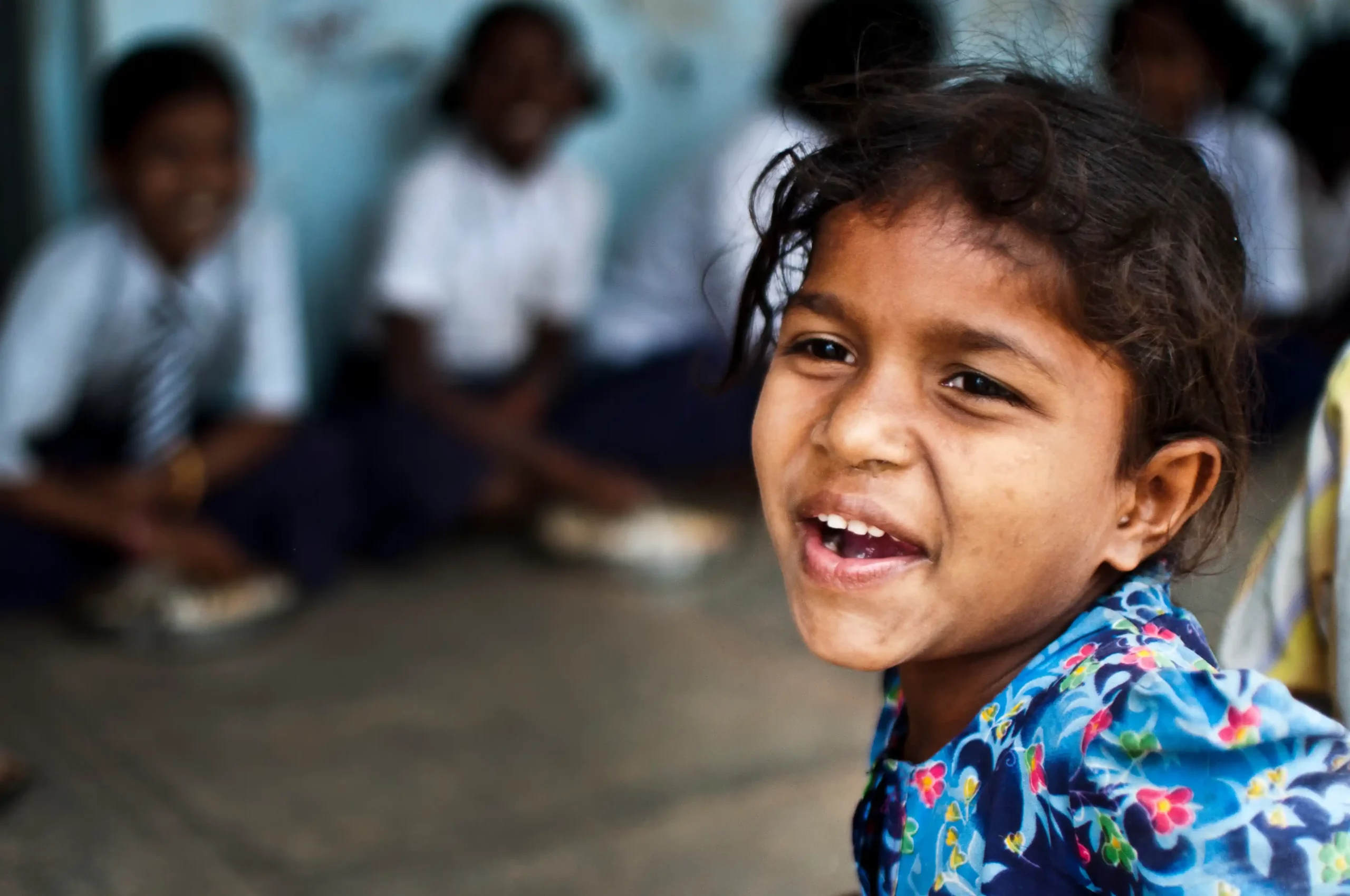
Children experience many of the systems designed for them every day. Their perspectives can therefore provide insights that adults may not always see.
Whether it is a classroom, playground or community space, children can identify challenges that directly affect their daily lives. Listening to these experiences can help adults understand what works and what needs to change.
When children's perspectives are considered, solutions can become more responsive to their needs. Their input can help make schools, services and community spaces safer, more accessible and more welcoming for children.
Meaningful participation can help children develop confidence, communication and decision-making abilities. It also encourages child empowerment by helping children understand that their ideas and experiences have value.
When children are encouraged to share their views in supportive environments, they can become more confident in expressing themselves. Listening to others and communicating their own ideas also helps develop important interpersonal skills.
Participating in discussions and group decisions gives children opportunities to understand different perspectives, consider choices and take responsibility for their contributions. These experiences can help build leadership skills from an early age.
Also Read: https://www.cry.org/blog/importance-of-emotional-development-in-children/
Children can participate in many spaces where decisions affect their everyday lives. Schools, families, community groups and local institutions can all create opportunities for children to express their views and contribute to discussions.
Schools can encourage participation by allowing children to share ideas about classroom activities, school facilities and issues affecting their learning experience. Student groups, classroom discussions, feedback activities and child-led initiatives can create meaningful opportunities for participation.
Teachers can also encourage children to ask questions, express concerns and suggest solutions. When children's views are considered respectfully, participation becomes part of everyday learning rather than a one-time activity.
Children can contribute to community discussions about issues that affect them, such as access to safe play areas, sanitation, education and public spaces. Community meetings, children's groups and age-appropriate consultations can provide opportunities for children to share their experiences.
Children can contribute perspectives on local issues through child-friendly consultations, school forums and community-level platforms. While adults remain responsible for formal decisions, creating opportunities for children to communicate their priorities can make local planning more responsive to their needs.
Several barriers can prevent meaningful child participation. Adults may assume that children are too young to understand important issues, while traditional attitudes can place greater value on adult opinions. Some children may also hesitate to speak because they fear criticism or feel that their views will not make a difference.
Children facing poverty, discrimination, disability or social exclusion may encounter additional barriers to participation. Language, gender and unequal access to safe spaces can also influence whose voices are heard.
Meaningful child participation requires adults to actively create inclusive and safe environments where every child can express an opinion without fear. Listening must also be followed by appropriate action or an explanation when suggestions cannot be acted upon.
Parents and teachers can encourage participation by listening without immediately dismissing children's ideas. Asking open-ended questions, involving children in age-appropriate decisions and encouraging respectful discussions can help children feel heard.
Adults should also explain why certain decisions are made, even when a child's suggestion cannot be followed. This shows that their contribution has been considered and helps children understand decision-making.
Communities can create child-friendly spaces where children can meet, express their views and discuss issues affecting their lives. These spaces should be inclusive, accessible and safe from discrimination or intimidation.
Child-focused groups, community consultations and school-community initiatives can help bring children's perspectives into wider discussions while ensuring that participation remains voluntary and age-appropriate.
Support CRY's Work for Child Rights
Building a better India requires understanding the experiences of the children who will shape its future. Child participation gives children opportunities to contribute to decisions that affect their lives while helping adults create more responsive systems and communities.
When children's voices are heard and respected, participation becomes more than an activity. It becomes an important part of children's rights in India and a way to create communities where every child can learn, grow and contribute.
Explore CRY's Education Initiatives
Child participation means giving children meaningful opportunities to express their views, share ideas and contribute to decisions that affect their lives. It involves more than simply listening to children; their opinions should be considered in age-appropriate ways. Participation can take place at home, in schools, communities and other spaces where children's experiences matter.
Child participation is important because children have the right to express their views on matters affecting them. Listening to children recognises them as individuals with their own experiences, perspectives and rights. Meaningful participation can also help adults make decisions that better reflect children's needs while supporting confidence, communication and child empowerment.
Children can participate through classroom discussions, student groups, school councils, feedback activities and child-led initiatives. In communities, they can share their views through children's groups, consultations and age-appropriate community forums. These opportunities allow children to communicate their experiences and contribute ideas about issues that affect their education, safety and well-being.
Listening to children's voices can help adults better understand their experiences and identify challenges that may otherwise be overlooked. It can contribute to more child-friendly decisions and services while helping children develop confidence, communication and leadership skills. Meaningful participation can also help children understand their rights and feel valued within their communities.
Parents and teachers can encourage child participation by listening respectfully, asking open-ended questions and involving children in age-appropriate decisions. They can create spaces where children feel comfortable sharing ideas without fear of criticism. When a child's suggestion cannot be followed, explaining why the decision was made can also show that their views were genuinely considered.
Introduction to Social skills for children Children grow and learn not only through books and lessons but also through everyday interactions with ....
Read More
Every child deserves a safe childhood — a chance to learn, play, and grow without fear. The Protection of Child Rights Act and related laws aim to ....
Read More All our efforts are made possible only because of your support
 Your donations are tax exempted under 80G of the Indian Income Tax Act
 Your donation transactions are completely safe and secure


Spread the word on social media and join the movement to raise awareness about the importance of girls completing their education.


Spread the word on social media and join the movement to end the shame around periods. #LetsTalkAboutPeriods