The Role of Safe Sanitation and WASH in Preventing Girls’ School Dropout
For many girls, staying in school depends on more than textbooks, teachers, or classrooms. Something as basic as access to clean water, safe toilets,....
Read More
The PM POSHAN Scheme, formerly known as the mid-day meal scheme, is a major school nutrition programme in India. It provides hot-cooked meals to eligible children in government and government-aided schools. The PM Poshan yojana aims to address classroom hunger while supporting nutrition, school attendance and children’s ability to participate in education.
The PM Poshan Scheme, or Pradhan Mantri Poshan Shakti Nirman, is the current name of India’s national school meal initiative. The programme provides free, hot-cooked meals to eligible children during school days. It covers children in pre-primary Bal Vatika (just before Class I) and Classes I to VIII in government and government-aided schools.
The programme combines nutrition and education by helping ensure that children receive a nutritious meal while attending school. It is therefore not only a food programme but also an important part of India’s efforts to support children’s health and education.
Also Read: https://www.cry.org/blog/importance-of-mid-day-meal-schemes-in-schools-in-india/
The mid-day meal programme was renamed PM POSHAN to place greater emphasis on nutrition and the broader well-being of children. The change reflects the programme’s focus on improving nutritional outcomes alongside supporting school participation.
Under its expanded approach, the scheme also encourages activities such as school nutrition gardens, community participation and the use of locally available foods. The emphasis is therefore on making school meals part of a wider approach to child nutrition and development.
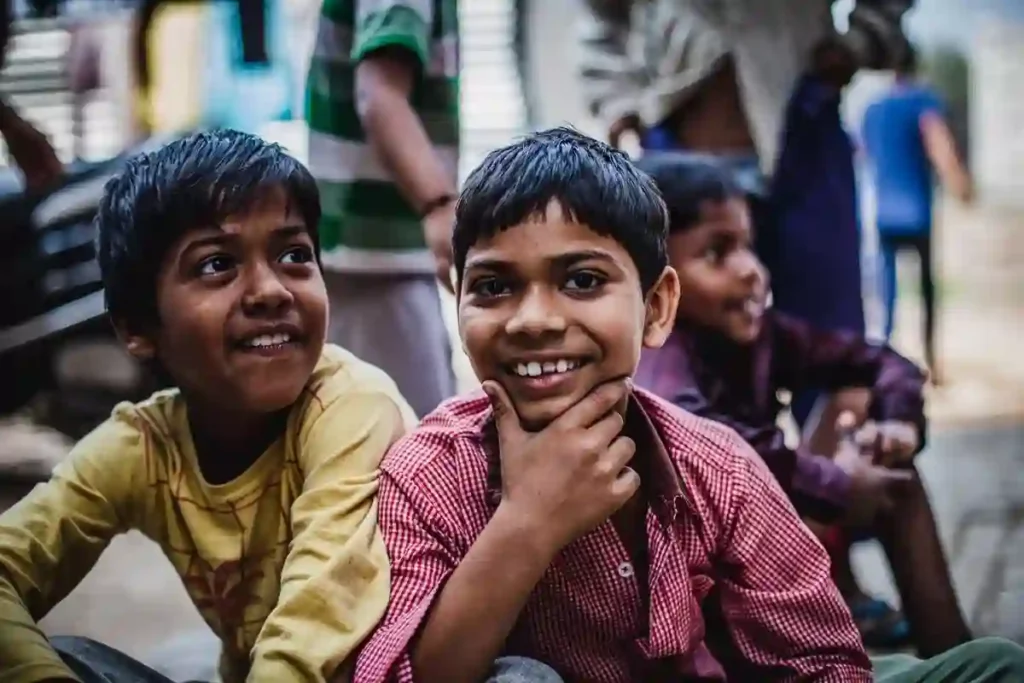
The main objectives of the PM Poshan Yojana are to address hunger, improve nutrition and support children’s participation in education.
The scheme provides cooked meals designed to meet specified calorie and protein requirements. This can help children receive an important source of nutrition during the school day.
Providing a free school meal can reduce one of the practical barriers to regular attendance. It can also encourage families to send children to school and support their continued participation.
The programme is particularly important for children from economically and socially disadvantaged backgrounds. Eating together at school can also encourage social equality and help reduce caste-based differences among children.
The PM POSHAN Scheme covers eligible children studying in specified government and government-aided educational institutions.
Children in Classes I to VIII are covered, along with eligible children studying in pre-primary Bal Vatika. The programme is intended to provide meals during school days to children within the scheme’s coverage.
The programme primarily covers government and government-aided schools. Its implementation is carried out through the education system, with states and Union Territories responsible for putting the programme into practice.
The mid-day meal scheme provides cooked meals that follow nutritional standards and encourages schools and communities to participate in improving children's nutrition.
Children receive free hot-cooked meals during school days. The meal provides food and nutrients that can help address classroom hunger and support children during their school day.
The prescribed nutritional standards differ by age and class level. For primary children, the meal provides 450 calories and 12 grams of protein. The prescribed food quantities include 100 grams of food grains, 20 grams of pulses, 50 grams of vegetables and 5 grams of oil or fat.
For upper primary children, the target is 700 calories and 20 grams of protein. The prescribed quantities include 150 grams of food grains, 30 grams of pulses, 75 grams of vegetables and 7.5 grams of oil or fat.
Also Read: https://www.cry.org/blog/understanding-child-malnutrition-in-india/
PM POSHAN also promotes school nutrition gardens, where schools can grow vegetables and herbs locally. These gardens can help children understand food, nutrition and cultivation while encouraging the use of locally available produce.
Community participation is encouraged through initiatives such as Tithi Bhojan, under which communities can contribute special meals or food during festivals and important occasions. States can also adapt meals to local dietary practices and use foods such as millets where appropriate.
Social audits are another important part of implementation. These checks are intended to improve transparency and help monitor the quality and delivery of the programme.
CRY works to address barriers that prevent children from accessing education and supports efforts that help children attend and remain in school. School nutrition is an important part of creating conditions in which children can benefit from education.
Hunger can make it difficult for children to concentrate and participate effectively in classroom activities. By providing a meal during the school day, the mid-day meal programme helps address classroom hunger while supporting children’s nutritional needs.
The programme also connects education with child well-being. Better access to food can encourage regular attendance, while eating together can promote social interaction among children from different backgrounds. For disadvantaged families, a free school meal can also provide practical support and make school participation easier.
In 2026, the PM Poshan Scheme continues to operate as India’s school meal programme for eligible children in pre-primary Bal Vatika and Classes I to VIII. Key features include nutritional standards, hot-cooked meals, school nutrition gardens, community participation, local food adaptation and social audits.
Also Read: https://www.cry.org/blog/poshan-maah-campaign-promoting-healthy-eating-habits/
Effective implementation requires consistent access to food supplies, safe preparation, adequate infrastructure, hygiene and monitoring. States and schools also need to ensure that meals meet prescribed nutritional standards and are delivered regularly.
Community participation and social audits can help identify gaps and strengthen accountability. Local adaptation is also important because food preferences and available ingredients vary across different parts of India.
Explore CRY's Health and Nutrition Work
The PM POSHAN Scheme recognises that nutrition and education are closely connected. A child who has access to food, attends school regularly and is able to participate in classroom learning is better positioned to benefit from education. The programme therefore remains an important support for children’s health, nutrition and educational participation.
Support CRY's Work for Children's Nutrition
The PM POSHAN Scheme is India’s school meal programme providing free hot-cooked meals to eligible children in government and government-aided schools. It covers children in pre-primary Bal Vatika and Classes I to VIII during school days.
Yes. PM POSHAN is the current name of the programme formerly known as the mid-day meal scheme. The renamed programme places greater emphasis on nutrition and includes features such as nutrition gardens and community participation.
Meals are designed according to prescribed nutritional standards. Primary children receive meals providing 450 calories and 12 grams of protein, while upper primary children receive meals providing 700 calories and 20 grams of protein, with specified quantities of grains, pulses, vegetables and oil or fat.
Providing a free cooked meal can reduce classroom hunger and provide an additional incentive for children to attend school regularly. It can particularly support families for whom providing a daily meal is an economic challenge.
In 2026, PM POSHAN continues to cover eligible children in Bal Vatika and Classes I to VIII in government and government-aided schools. Key elements include cooked meals, nutritional standards, school nutrition gardens, Tithi Bhojan, local food adaptation and social audits.
For many girls, staying in school depends on more than textbooks, teachers, or classrooms. Something as basic as access to clean water, safe toilets,....
Read More
Every month, millions of girls across India manage their periods while attending school. For many, it is a routine part of growing up. For others, a ....
Read More All our efforts are made possible only because of your support
 Your donations are tax exempted under 80G of the Indian Income Tax Act
 Your donation transactions are completely safe and secure


Spread the word on social media and join the movement to raise awareness about the importance of girls completing their education.


Spread the word on social media and join the movement to end the shame around periods. #LetsTalkAboutPeriods