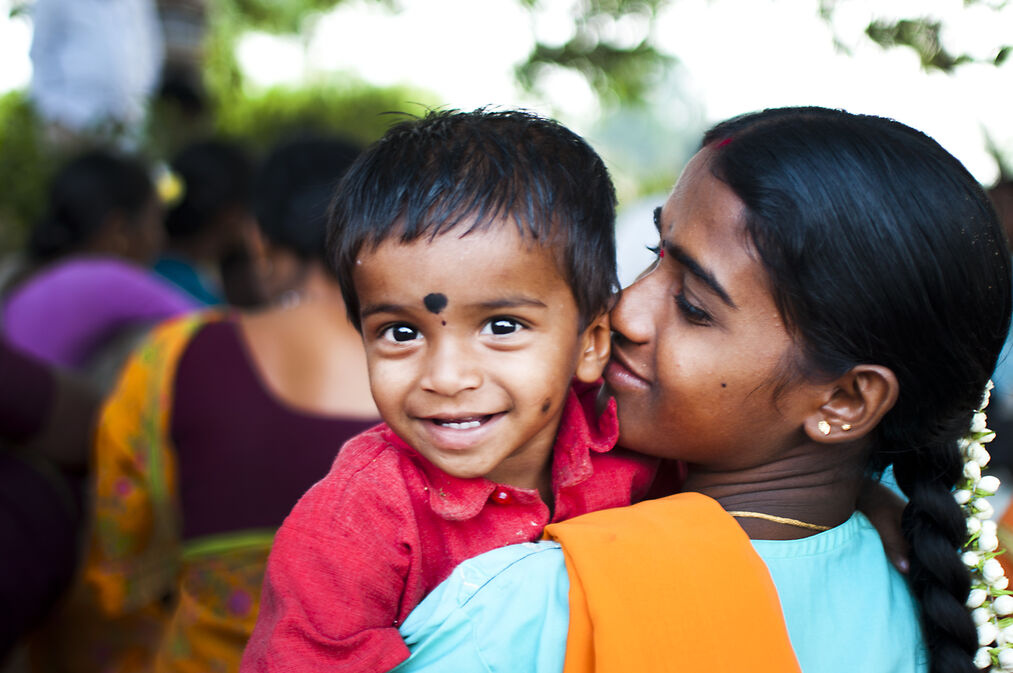
Learning Outcomes in India: Why Going to School Is Only the First Step
Going to school is an important part of every child’s development, but enrolment alone does not guarantee that meaningful learning is taking place.....
Read More
A hotter summer can mean more than an uncomfortable day for a child. It can make it harder to concentrate in class or spend time outdoors. Heavy rainfall can make the journey to school difficult. A flood can disrupt a family's home, routine and access to essential services.
Climate change is already affecting the environments where children grow, learn and play. Rising temperatures, changing rainfall patterns and extreme weather can influence children's health, education and safety.
For children, climate action is also about protecting their right to grow, learn and thrive.
Climate change refers to long-term changes in temperature and weather patterns. Global warming refers specifically to the long-term rise in the Earth's average temperature.
Children can be particularly affected by environmental risks because their bodies are still developing and they depend on families, schools and essential services for care and protection.
When climate-related events disrupt these support systems, children may face challenges in staying healthy, continuing their education and living safely.
Also Read: https://www.cry.org/blog/the-role-of-education-in-combating-child-malnutrition/
India faces different climate-related risks across its regions. These include extreme heat, floods, cyclones, droughts, air pollution and water scarcity.
These changes can affect children's everyday lives in several ways.
Extreme heat can increase the risk of dehydration, heat exhaustion and other health problems. It can also make outdoor activities and learning more difficult.
Children are particularly sensitive to environmental risks such as air pollution. Exposure to polluted air can affect respiratory health and overall well-being.
Floods, cyclones and other extreme weather events can disrupt homes, schools, roads and essential services. For children, this can mean interrupted routines and reduced access to education and support.
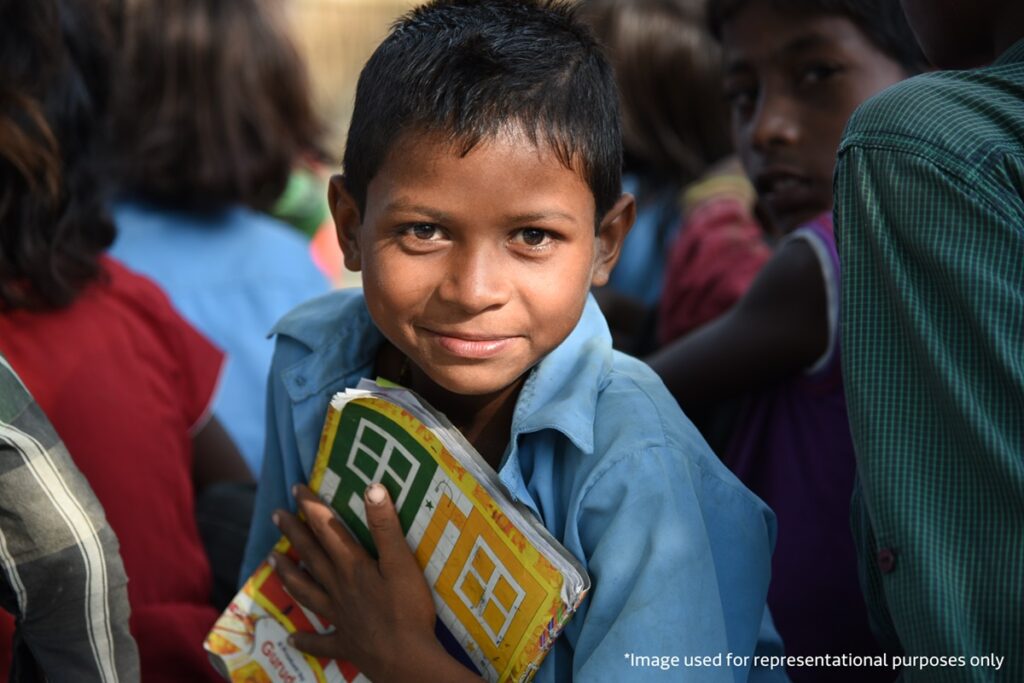
The effects of climate change on children's health can be direct and indirect. Extreme heat, air pollution, unsafe water and disruptions to food systems can all affect children's well-being.
Climate-related changes can affect food systems and access to safe water. Disruptions to agriculture and livelihoods can also affect children's access to nutritious food.
Climate change and mental health are also connected. Children may experience worry or distress when extreme weather affects their homes, schools or communities. Displacement and disruption to social support can add to these challenges.
Supportive families, schools and communities can help children cope with change and uncertainty.
Education can be disrupted when climate-related events affect schools, transport and communities.
Floods, cyclones and extreme heat can lead to school closures or make schools difficult to access. Damage to classrooms, books and other learning resources can further interrupt education.
Climate change can create barriers to regular school attendance. Flooded roads can make travel difficult. Extreme heat can affect children's ability to travel and learn comfortably.
In some communities, climate-related pressures can also affect family livelihoods and daily responsibilities. This can make it harder for children to attend school regularly.
Ensuring continuity of education during climate-related disruptions is therefore an important part of building resilient childhoods.
Also Read: https://www.cry.org/blog/rights-of-child-in-india/
Children need safe homes, schools and communities to grow and thrive. Climate-related events can place these spaces under pressure.
During floods, cyclones and other disasters, children may face unsafe surroundings or separation from familiar support systems. Preparedness, early-warning systems and child-sensitive emergency responses can help communities protect children.
Climate-related events can sometimes force families to leave their homes. Moving to a new or temporary location can disrupt a child's education, healthcare and social connections.
A safe space gives children more than shelter. It gives them a place to learn, play and feel secure. Protecting these spaces is an important part of protecting childhood.
Climate change does not affect every child in the same way.
Children living in communities with fewer resources or in areas exposed to climate risks may face greater challenges. Access to healthcare, education, safe housing, clean water and nutrition can influence how children experience climate-related disruptions.
Also Read: https://www.cry.org/blog/how-to-improve-child-nutrition-in-indias-underprivileged-children/
Limited access to essential services can make it harder for families to prepare for and recover from climate-related disruptions. Strengthening these services can help children stay healthy, continue learning and remain safe.
Children living in areas exposed to floods, cyclones, droughts or extreme heat may experience repeated disruptions. Climate-resilient schools and essential services can help communities prepare for these risks.
Support CRY's Work to Protect Children
Protecting children requires action across communities and systems.
Climate-resilient schools, stronger healthcare services, access to nutritious food and safe water, disaster preparedness and early-warning systems can all help.
It is also important to ensure that children can continue learning during climate-related disruptions.
Governments, communities, schools and families all have a role to play.
This can include strengthening early-warning systems, preparing schools for climate risks, improving access to essential services and supporting families during emergencies.
Children and young people can also be part of conversations about climate action and resilience. Giving them safe spaces to share their experiences and ideas helps make climate action more responsive to their needs.
Climate action is also about protecting childhood.
Every child deserves the opportunity to learn, play, stay healthy and grow up in a safe environment. Climate change can make this more difficult, particularly for children who already face barriers.
Building climate-resilient communities means building stronger support systems for children.
When schools, families, communities and institutions work together, children can continue to learn, grow and dream, even as the world around them changes.
Support a Safer and Healthier Future for Children
Climate change can affect children's health, education, nutrition and safety. Extreme heat, floods, cyclones, air pollution and water scarcity can disrupt daily life and access to essential services. Children in communities with fewer resources may face greater challenges during these disruptions.
The health effects of global warming can include greater exposure to extreme heat, air pollution, unsafe water and disruptions to food systems. Climate-related events can also affect children's mental and emotional well-being.
Climate change can disrupt education through extreme heat, floods, cyclones and other climate-related events. Schools may close or become difficult to access. Damage to learning spaces and repeated interruptions can also affect children's ability to continue learning.
Children living in communities with fewer resources or in areas exposed to climate risks may face greater challenges. Access to healthcare, education, safe housing, clean water and nutrition can influence how children experience these impacts.
Children can be supported through climate-resilient schools, stronger healthcare and nutrition systems, safe water, disaster preparedness and early-warning systems. Communities and governments can also help ensure that education and essential services continue during climate-related disruptions.
Going to school is an important part of every child’s development, but enrolment alone does not guarantee that meaningful learning is taking place.....
Read More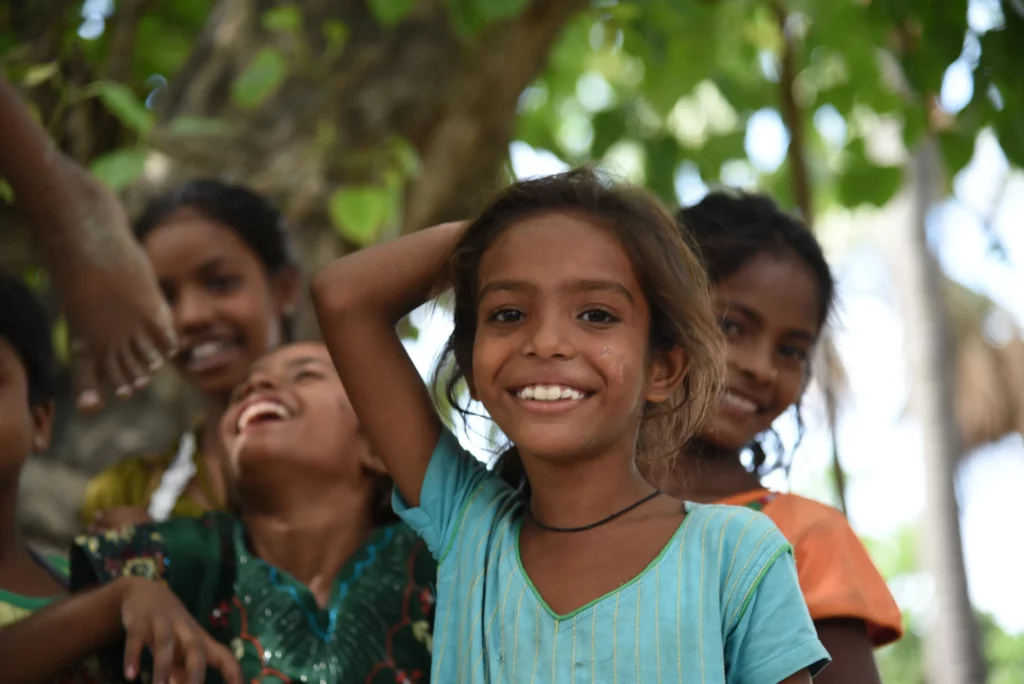
An Assam flood can disrupt a child's life in ways that go far beyond the immediate loss of a home or access to food. Flooding can force families to l....
Read More All our efforts are made possible only because of your support
 Your donations are tax exempted under 80G of the Indian Income Tax Act
 Your donation transactions are completely safe and secure


Spread the word on social media and join the movement to raise awareness about the importance of girls completing their education.


Spread the word on social media and join the movement to end the shame around periods. #LetsTalkAboutPeriods