Child Mortality Rate in India 2026: Trends, Causes and the Fight for Survival
The child mortality rate continues to be one of the clearest indicators of a nation’s health and development. According to recent global estimates,....
Read More
Access to clean water in India is essential for every child's health, growth, and future. It protects children from disease, supports their education, and helps them live with dignity. Yet, less than half of India's population has access to safely managed drinking water that is available when needed and free from contamination, making continued efforts to improve water access and quality especially important for children. Protecting the right to clean water in India means giving every child an equal chance to grow up healthy, safe, and full of potential.
https://www.pib.gov.in/PressReleasePage.aspx?PRID=2182568&lang=2®=3
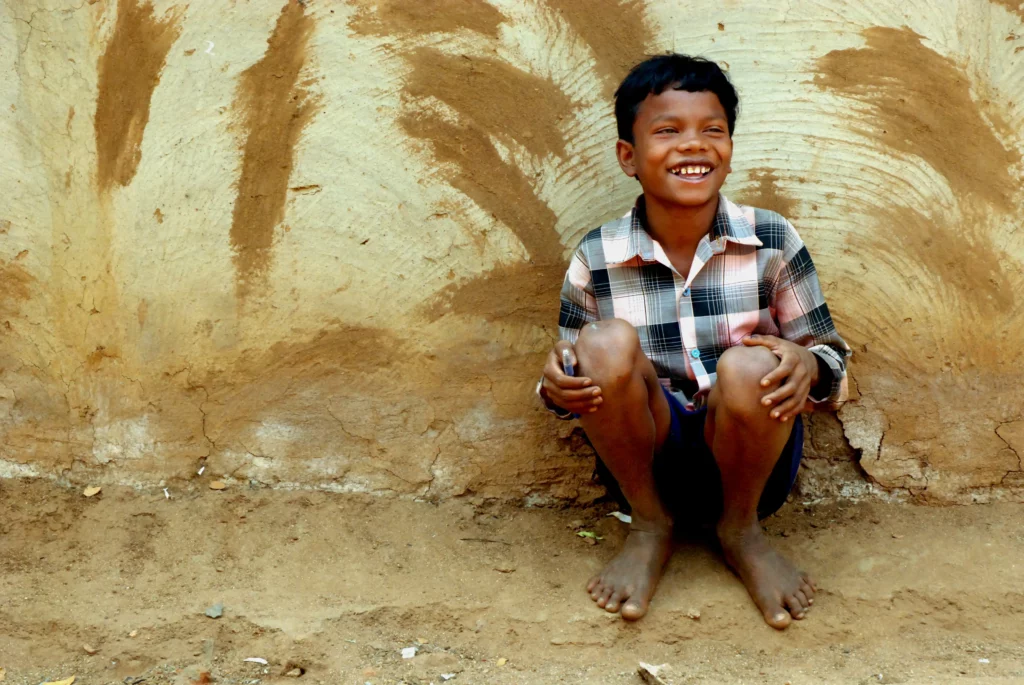
The right to clean water in India is closely linked to a child's rights to health, nutrition, education, and life itself. When children have access to safe drinking water, they are less likely to fall ill and more likely to attend school and grow into healthy adults. Clean water also supports better hygiene and sanitation, reducing the spread of preventable illnesses. Every child, regardless of where they live or their family's income, deserves equal access to safe drinking water.
Despite significant progress over the years, the drinking water crisis India continues to affect millions of children. Many families, especially in remote villages and underserved communities, still struggle to access safe drinking water every day. In several areas, children rely on water from rivers, ponds or hand pumps that may be contaminated. During summer months or periods of drought, the situation often becomes even more difficult as water sources dry up or become unsafe for use. While government programmes have expanded access to household tap connections, many communities continue to face challenges related to water quality, maintenance, and reliable supply.
Unsafe water affects almost every aspect of a child's life. It increases the risk of illness, weakens immunity, disrupts education, and places additional burdens on families already facing hardship.
Contaminated water exposes children to serious waterborne diseases such as diarrhoea, cholera, typhoid, and hepatitis A. Young children are particularly vulnerable because repeated infections can quickly lead to dehydration, poor health, and, in severe cases, death. Many of these illnesses are entirely preventable with access to safe drinking water and proper hygiene.
According to UNICEF, poor water, sanitation and hygiene contribute to nearly 100,000 diarrhoeal deaths among children under five in India, highlighting the urgent need to improve access to safe water and WASH services.
https://www.pib.gov.in/PressReleasePage.aspx?PRID=2182568&lang=2®=3
Also Read: Understanding Child Malnutrition in India
Children who frequently suffer from waterborne diseases often struggle to absorb the nutrients their bodies need. Even when enough food is available, repeated infections can contribute to malnutrition, poor growth, and stunting, making it harder for children to reach their full physical and mental potential.
In many communities, girls are responsible for collecting water for their families. Long walks to distant water sources take time away from school, limit opportunities to study, and can expose girls to safety risks. When clean water is available closer to home, girls are more likely to attend school regularly and continue their education.
Also Read: Encouraging Girls Toward STEM Careers
Although access to clean water in India has improved, the challenges are not the same everywhere. Families living in rural villages and urban informal settlements often face different but equally difficult barriers to obtaining safe drinking water.
Many rural communities have benefited from improved water infrastructure, but some villages still face unreliable supply, poor water quality or limited maintenance. Remote locations, difficult terrain and seasonal water shortages continue to slow progress in several parts of the country.
For many families living in urban slums, access to safe drinking water remains uncertain. Shared taps, irregular supply and contaminated storage increase health risks for children. As cities continue to grow, ensuring equitable access to safe water remains an important priority for child well-being.
The Jal Jeevan Mission, launched by the Government of India in 2019, aims to provide safe and adequate drinking water through household tap connections to every rural home. Along with expanding infrastructure, the mission also focuses on water conservation, source sustainability, rainwater harvesting and community participation to ensure long-term access to safe water. It represents one of the country's most significant efforts to strengthen clean water in India and improve the lives of children and families.
The Jal Jeevan Mission aims to reduce the burden of collecting water, improve public health, and ensure that every rural family has reliable access to safe drinking water. For children, this means fewer illnesses, better nutrition, improved school attendance, and a healthier future.
The Jal Jeevan Mission has made encouraging progress, but challenges remain. In some regions, remote locations, maintenance issues, and water quality concerns continue to limit consistent access to safe drinking water. Closing these gaps will require continued investment, stronger local participation and regular monitoring to ensure every child benefits from the programme.
Also Read: Nutritional Programmes in India
At CRY, Child Rights and You, we believe that every child deserves access to safe drinking water, good sanitation, and healthy surroundings. Our work goes beyond providing immediate support. We work closely with children, families, communities, and local authorities to create long-term solutions that improve children's lives. By strengthening Water, Sanitation, and Hygiene (WASH) practices, promoting awareness, and encouraging community participation, CRY helps ensure that children can grow up in healthier and safer environments. We also support better sanitation facilities in schools, especially for girls, helping reduce absenteeism and enabling children to continue their education with dignity. Every step towards improving clean water in India is also a step towards protecting every child's health, education, and future.
Give a Child Access to Clean Water
Although India has made significant progress, the drinking water crisis India cannot be solved by infrastructure alone. Safe water systems must be maintained, water quality should be regularly monitored and communities should be actively involved in managing local water resources. Schools, healthcare centres and childcare facilities also need reliable access to clean water and sanitation. At the same time, greater awareness about hygiene and water conservation can help families protect themselves from preventable illnesses. When governments, communities, organisations and citizens work together, every child can enjoy the right to clean water India and the opportunity to lead a healthier life.
Also Read: World Health Day: Child Health in India
No child should have to risk their health because safe drinking water is unavailable. Access to clean water in India is essential for children's survival, growth, education and dignity. By working together and ensuring that every child enjoys the right to clean water in India, we can build a future where every child has the opportunity to live, learn, and thrive.
Safe drinking water is essential for children's health, nutrition, education, and overall development. Without it, children are more likely to suffer from illness, miss school, and experience poor growth. Protecting the right to clean water India helps ensure that every child has an equal opportunity to live a healthy and fulfilling life.
The drinking water crisis India continues to affect millions of families, particularly in rural and underserved communities. While access to household tap connections has improved through initiatives like the Jal Jeevan Mission, many areas still face challenges related to water quality, reliable supply, and long-term sustainability.
Some of the most common waterborne diseases affecting children include diarrhoea, cholera, typhoid, and hepatitis A. These illnesses spread through contaminated water and poor sanitation. Access to safe drinking water, proper sanitation and good hygiene practices can prevent many of these diseases and protect children's health.
CRY works with communities, schools, and local authorities to improve Water, Sanitation, and Hygiene (WASH) facilities for children. Through awareness programmes, community participation, better sanitation infrastructure, and support for safe drinking water, CRY helps create healthier environments where children can learn, grow and thrive with dignity.
The child mortality rate continues to be one of the clearest indicators of a nation’s health and development. According to recent global estimates,....
Read More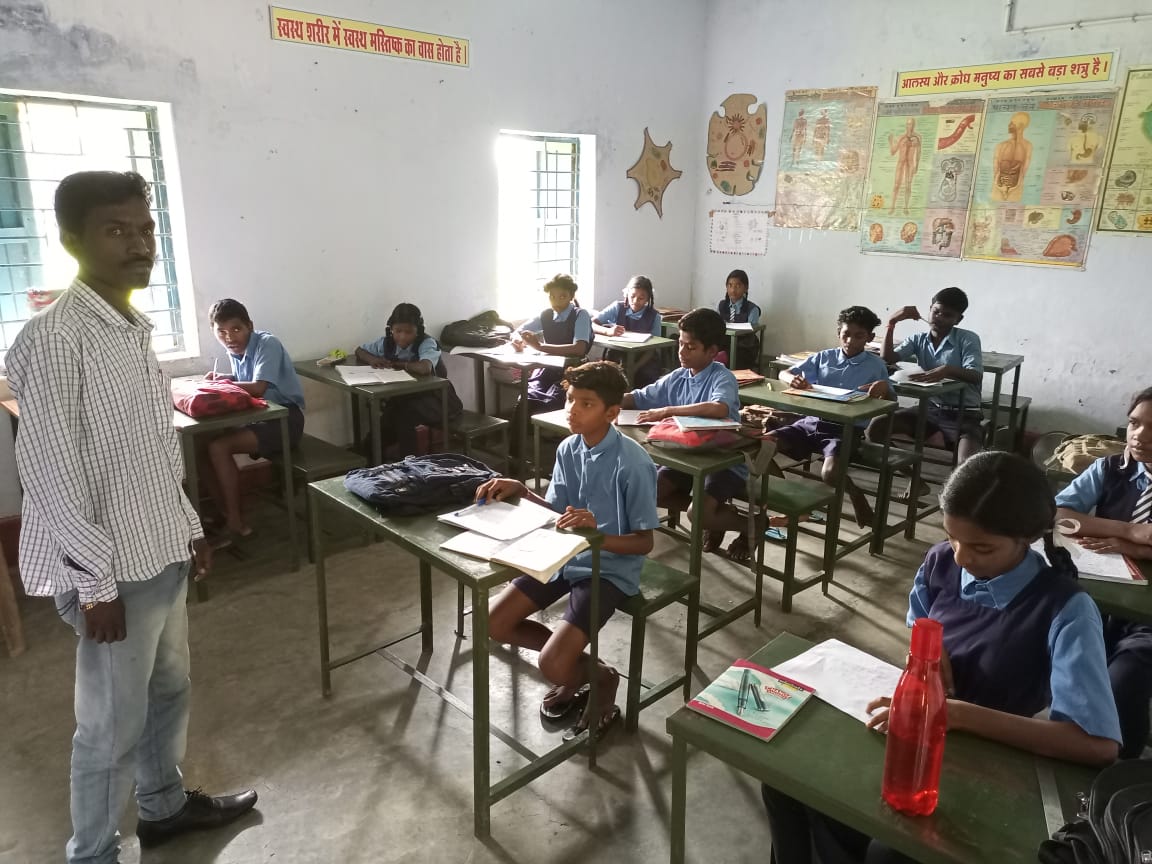
The Integrated Child Development Services (ICDS) scheme is one of India’s most critical social welfare initiatives, built to address the interconne....
Read More All our efforts are made possible only because of your support
 Your donations are tax exempted under 80G of the Indian Income Tax Act
 Your donation transactions are completely safe and secure


Spread the word on social media and join the movement to raise awareness about the importance of girls completing their education.


Spread the word on social media and join the movement to end the shame around periods. #LetsTalkAboutPeriods