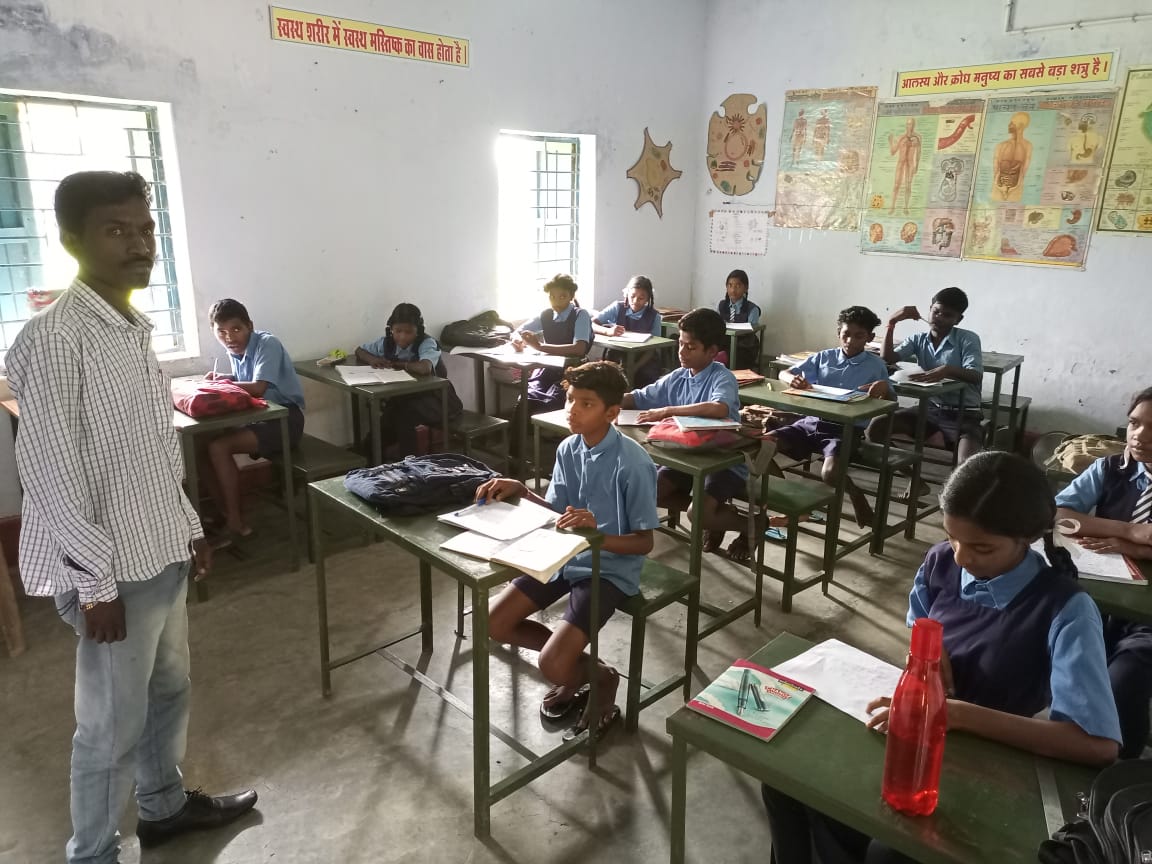
Understanding the ICDS Scheme: Objectives, Guidelines, and Key Functions
The Integrated Child Development Services (ICDS) scheme is one of India’s most critical social welfare initiatives, built to address the interconne....
Read More
Child health and nutrition are the cornerstones of a nation’s future. In India, where socio-economic inequalities persist, ensuring access to adequate nutrition is critical for children from marginalised communities. Nutritional programmes in India aim to bridge the gap between survival and healthy development by addressing malnutrition during crucial growth periods. These initiatives, supported by government action and organisations like CRY India, are vital to helping children not just live but thrive.
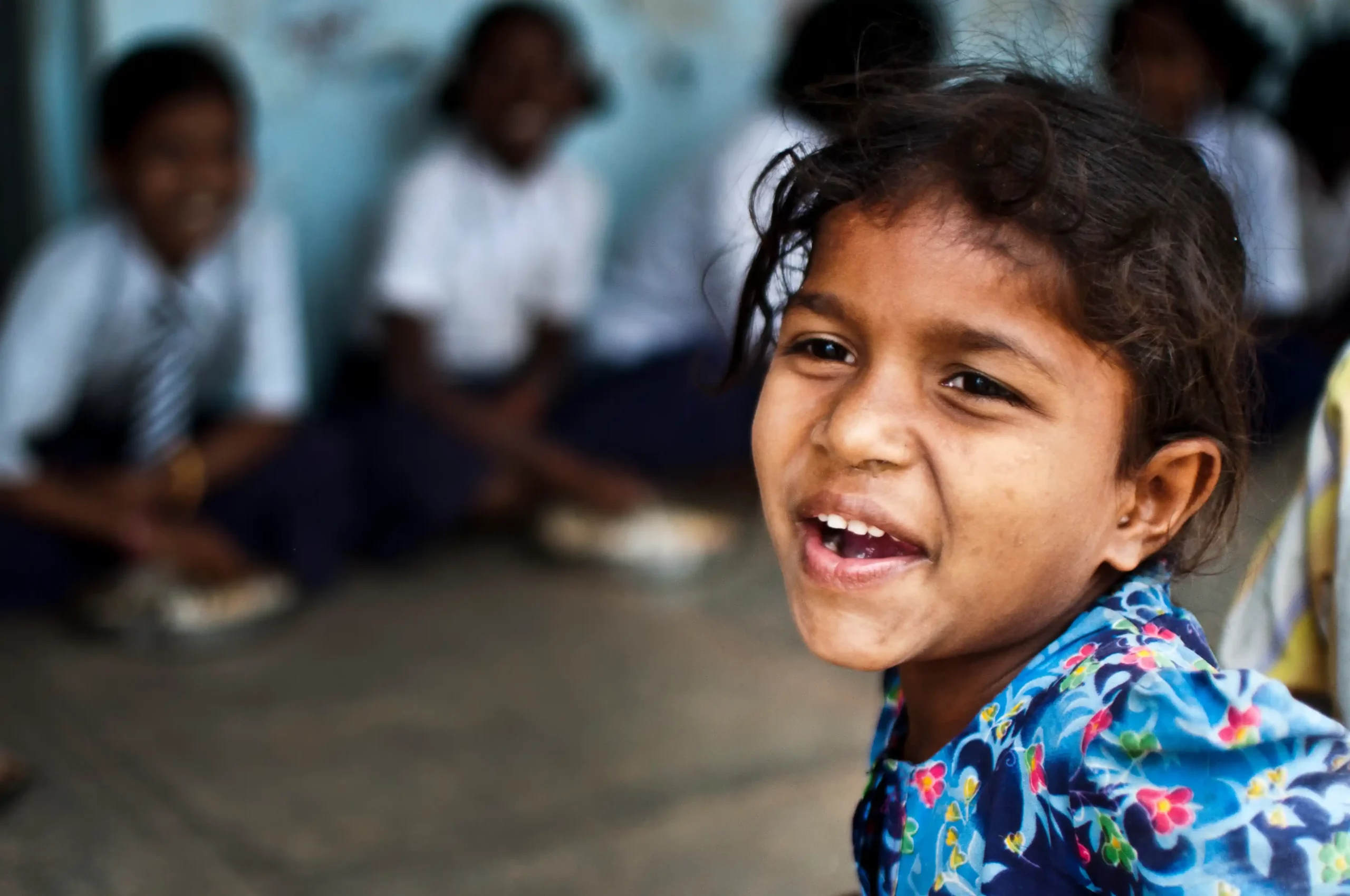
Nutrition during childhood directly influences physical growth, cognitive development, and emotional well-being. Recognising this, India has developed a framework of nutritional health programmes in India aimed at supporting children, especially those from underprivileged backgrounds. These initiatives focus on providing essential nutrients during critical growth stages to ensure children can grow into healthy, capable adults. The goal is not just survival, but enabling children to reach their full potential.
Ensure Proper Nutrition for a Child
Children in marginalised communities often lack access to nutritious and diverse diets. Poverty, food insecurity, and limited awareness about balanced nutrition result in chronic undernourishment. Without targeted intervention, these children face lifelong disadvantages. Nutritional programmes in India are essential to break this cycle by delivering food, healthcare, and education directly to vulnerable populations.
Poor nutrition causes irreversible damage to a child’s physical and cognitive development. It leads to stunting, wasting, weakened immunity, and learning difficulties. Deficiencies in iron, Vitamin A, and protein contribute to anaemia, vision impairment, and frequent illness. Malnutrition is also intergenerational: undernourished mothers are more likely to have undernourished children making early intervention crucial.
India’s approach to nutrition is multi-dimensional, combining food security, healthcare, and education through a list of national nutrition programmes in India.
ICDS is the backbone of nutritional programmes in India, delivered through Anganwadi centres. It provides supplementary nutrition, immunisation, health check-ups, and pre-school education. These centres are often the first point of contact for rural families, ensuring children and pregnant or lactating women receive essential nutritional and healthcare support.
The Mid-Day Meal Scheme provides free lunches to children in government schools, improving both nutrition and school attendance. By ensuring at least one balanced meal a day, the scheme enhances energy levels, concentration, and learning outcomes. However, rising food costs can affect meal quality, underlining the need for sustained funding.
Operating under initiatives like Poshan Abhiyaan, this programme focuses on reducing anaemia among children and women. Anaemia affects growth, learning ability, and immunity. Digital tools such as the Poshan Tracker enable real-time monitoring to ensure supplements and services reach those most in need.
The National Food Security Act provides the legal foundation for many current nutritional programmes in India, recognising food and nutrition as a right. It supports initiatives like ICDS and the Mid-Day Meal Scheme, ensuring affordable access to adequate food for marginalised families.
Also Read: Child Labour Amendment Act 2016
Despite strong policy frameworks, implementation challenges remain.
Many Anganwadi centres require improved infrastructure and better monitoring. Economic factors such as food inflation can reduce meal quality unless budgets are revised accordingly. Strengthening infrastructure is essential for programme effectiveness.
Limited knowledge about balanced diets, hygiene, and child feeding practices contributes significantly to malnutrition. Cultural norms, where women and girls eat last, further worsen nutritional outcomes. Without community education, the full impact of nutritional health programmes in India cannot be realised.
Although digital tools like the Poshan Tracker have improved data collection, frontline workers need better training to use these systems effectively. Strong monitoring and accountability are key to ensuring services reach the right children at the right time.
Also Read: Mental Health in Rural India
India has made measurable progress through sustained nutritional interventions.
According to NFHS-5 (2019–21), stunting among children under five declined from 38.4% to 35.5%, wasting reduced from 21.0% to 19.3%, and underweight prevalence dropped from 35.8% to 32.1%. These improvements reflect the growing impact of nutritional programmes in India.
Partnerships between government bodies and NGOs have strengthened outreach in hard-to-reach areas. Community-focused, evidence-based interventions have improved uptake of health and nutrition services across multiple states.
Also Read: Benefits of Extracurricular Activities
Nutrition is the foundation of lifelong health and learning.
Adequate intake of proteins, vitamins, and minerals supports physical growth and immune strength. Nutrition during the first 1,000 days prevents long-term health conditions such as anaemia and chronic illness.
Good nutrition directly supports brain development, improving memory, attention, and learning capacity. Well-nourished children perform better academically, helping them break cycles of poverty and exclusion.
Also Read: Protection of Child Rights Act
CRY India plays a vital role in strengthening nutritional programmes in India at the community level. The organisation facilitates regular health check-ups, ensures referrals to medical services, and educates families about nutrition and hygiene.
A flagship initiative is CRY India’s Sustainable Nutrition Initiative, which has established over 600 kitchen gardens across seven states. These gardens provide micronutrient-rich fruits and vegetables, improving food security in a sustainable way. Through workshops and community engagement, CRY India empowers families to take ownership of their children’s health.
Also Read: How to Prevent Cyberbullying
Ensuring healthy growth for children from marginalised communities requires sustained collaboration between the government, civil society, and citizens. While nutritional programmes in India have delivered significant progress, addressing gaps in infrastructure, awareness, and monitoring remains essential. By supporting organisations like CRY India, we can help ensure every child moves beyond survival towards a future of health, dignity, and opportunity.\
Also Read: World Heath Day
Programmes like ICDS use Anganwadi workers to reach remote areas with supplementary nutrition and health services. CRY India complements these efforts by creating community-based solutions such as kitchen gardens, ensuring sustainable access to nutritious food.
These programmes support physical growth, cognitive development, and educational success. By preventing stunting and anaemia, they improve productivity in adulthood and help break the intergenerational cycle of malnutrition.
Schools implement the Mid-Day Meal Scheme, improving attendance and energy levels. Teachers also promote nutrition awareness and support initiatives like school kitchen gardens, reinforcing healthy habits among children.
Increasing budget allocations, upgrading Anganwadi infrastructure, improving frontline worker training, and strengthening digital monitoring systems can significantly enhance programme reach. Deeper partnerships with NGOs like CRY India can further improve outcomes for the most vulnerable children.
The Integrated Child Development Services (ICDS) scheme is one of India’s most critical social welfare initiatives, built to address the interconne....
Read More
World Health Day reminds the world that every child deserves a healthy start in life. World Health Day is celebrated on 7 April each year to mark the....
Read More All our efforts are made possible only because of your support
 Your donations are tax exempted under 80G of the Indian Income Tax Act
 Your donation transactions are completely safe and secure


Spread the word on social media and join the movement to raise awareness about the importance of girls completing their education.


Spread the word on social media and join the movement to end the shame around periods. #LetsTalkAboutPeriods