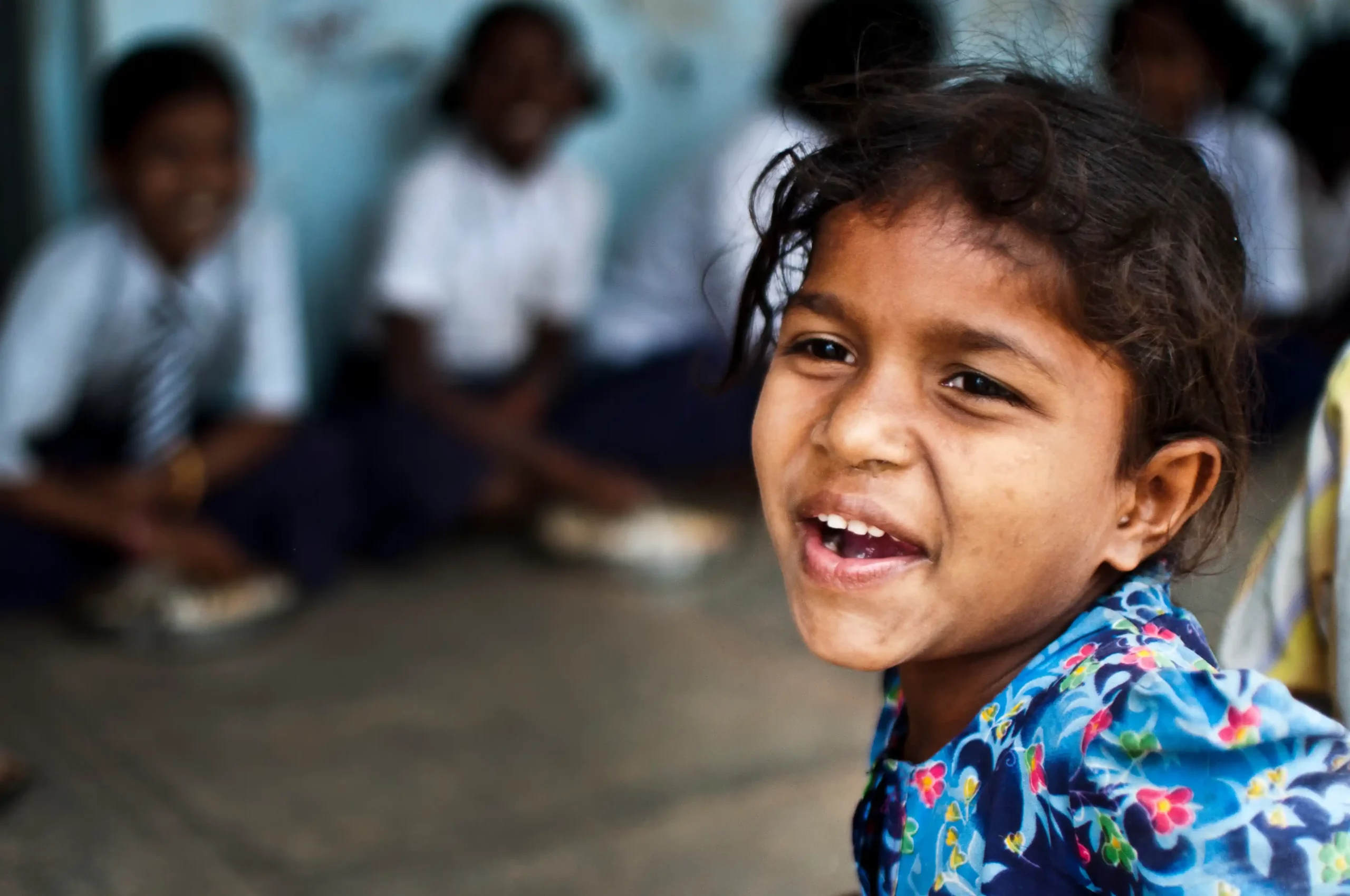
Child Participation: Why Every Child’s Voice Matters in Building a Better India
Children are affected by decisions made at home, in schools and across communities, yet their perspectives are not always included in those decisions....
Read More
The global celebration of the World Happiness Day and the International Day of Happiness serves as a vital reminder that well-being is a fundamental human goal. However, for millions of children across India, the idea of “happiness” is often overshadowed by daily struggles for survival, education, and safety.
At CRY India (Child Rights and You), we believe that every child has an inherent right to a happy, healthy childhood. As the world reflects on global well-being, we must ask an urgent question: are all children truly happy and what can we do to ensure no child is left behind?
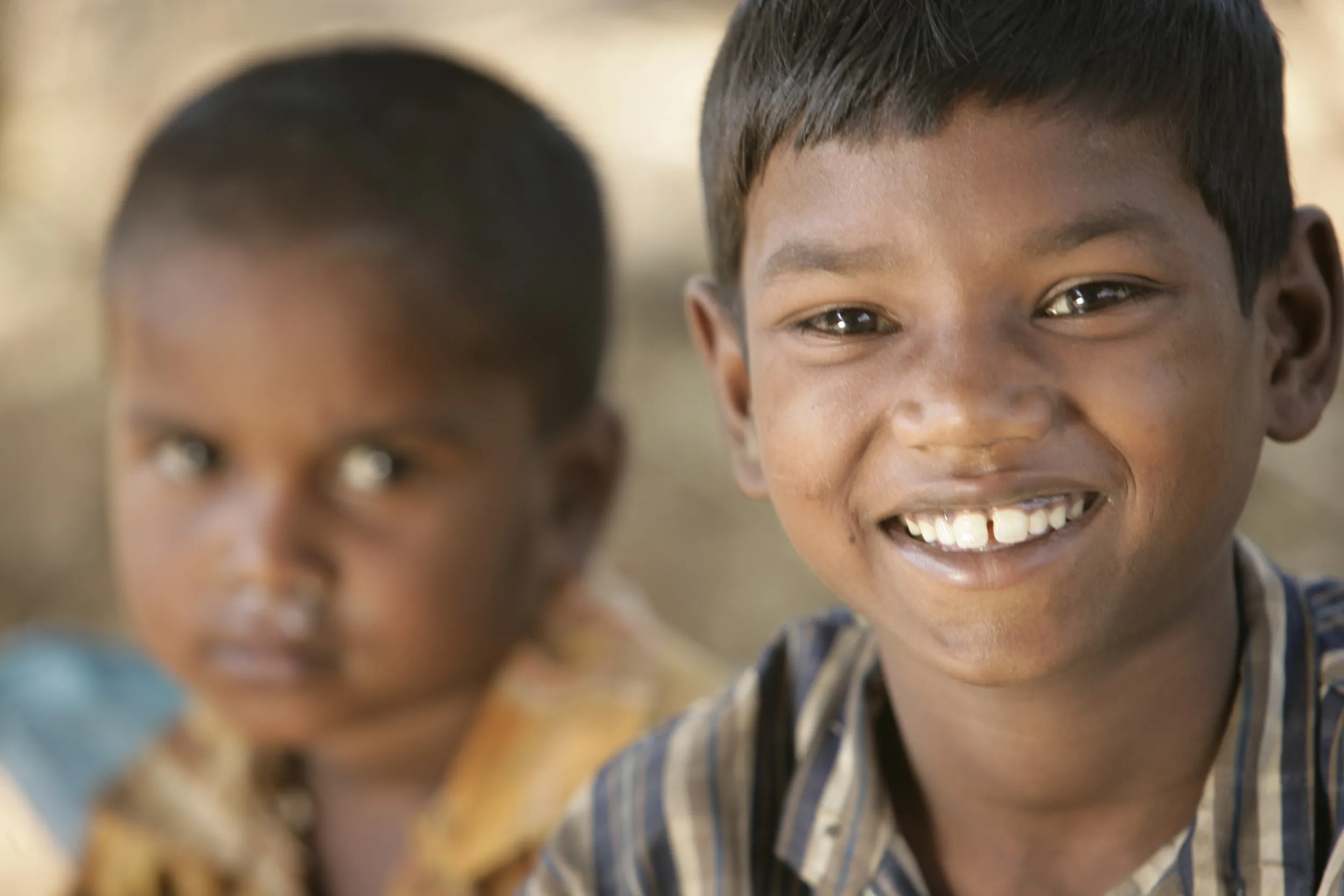
World Happiness Day, also known as the International Day of Happiness, is a global observance established by the United Nations. It recognises that the pursuit of happiness is a universal human aspiration and encourages governments to create public policies that support well-being.
For CRY India, this day highlights a simple truth: a child’s happiness is the truest indicator of a nation’s present health and future promise.
The International Day of Happiness calls for collective action that shifts focus from material wealth to emotional, physical, and social well-being. For children, this means living in environments where their voices matter and their rights are respected.
A happy childhood is not a luxury, it is a necessity for sustainable development and a just society.
Understanding why the International Day of Happiness is celebrated helps spotlight global inequalities. The day inspires individuals, organisations, and governments to prioritise human flourishing.
It also draws attention to underprivileged children who are denied the joys of childhood due to poverty, lack of education, and systemic injustice, urging collective responsibility for change.
Also Read: Period Shaming
Happiness and mental health are deeply interconnected. Children who feel safe, supported, and valued develop stronger emotional resilience. CRY India supports this through Academic and Psychosocial Support Centres that help children reintegrate into education while building emotional stability.
Encouraging child participation where children are heard and respected also plays a critical role in nurturing confidence and self-worth.
Physical well-being is a cornerstone of happiness. Proper nutrition and healthcare enable children to learn, play, and grow. Undernourishment deprives children of energy and opportunity.
CRY India’s initiatives have ensured that 98% of children under five in project areas are protected from undernourishment. Nutrition programmes and community kitchen gardens help build the physical foundation every child needs for a happy childhood.
Also Read: Digital Classrooms
The reality is that happiness is not equally accessible. Children from marginalised communities often face discrimination based on gender, caste, or socio-economic status. For many, childhood is interrupted by labour, early marriage, or unsafe environments.
Ensuring that World Happiness Day is meaningful for all children requires breaking these deeply rooted barriers.
Also Read: Protection of Child Rights Act
Several factors shape a child’s happiness:
Children’s happiness requires both grassroots action and systemic reform. NGOs like CRY India collaborate with district, state, and national governments to strengthen child-focused policies.
By working with teachers, Anganwadi workers, and village child protection committees, CRY helps build ecosystems where children are prioritised and protected.
Also Read: Types of Social Barriers
Since 1979, CRY India has worked to ensure happy childhoods through:
Also Read: How to Prevent Cyberbullying
As we reflect on the International Day of Happiness, we are reminded of our founder Rippan Kapur’s words: “If we all do something, then together there is no problem that we cannot solve.”
Happiness should never be a matter of chance for a child, it must be a guaranteed right. By investing in education, health, and protection, we can create a future where every child in India thrives. Join CRY India in turning happy childhoods into a reality for all.
Also Read: Social Skills for Children
The day seeks to prioritise children’s well-being by encouraging policies that protect their rights to education, health, and safety. It promotes a global shift towards nurturing environments where children grow up secure, supported, and heard.
Access to education, nutrition, and protection from child labour and child marriage are critical. Poverty and social discrimination often prevent children from enjoying equal opportunities, significantly affecting their overall happiness.
Yes. Childhood adversity can lead to long-term mental health challenges and economic instability. In contrast, a happy, secure childhood builds resilience, enabling children to reach their potential and contribute positively to society.
Communities play a key role by supporting child protection systems, working with teachers and local committees, and challenging harmful practices. When children are treated as a shared priority, safer and happier environments emerge.
Children are affected by decisions made at home, in schools and across communities, yet their perspectives are not always included in those decisions....
Read More
Introduction to Social skills for children Children grow and learn not only through books and lessons but also through everyday interactions with ....
Read More All our efforts are made possible only because of your support
 Your donations are tax exempted under 80G of the Indian Income Tax Act
 Your donation transactions are completely safe and secure


Spread the word on social media and join the movement to raise awareness about the importance of girls completing their education.


Spread the word on social media and join the movement to end the shame around periods. #LetsTalkAboutPeriods