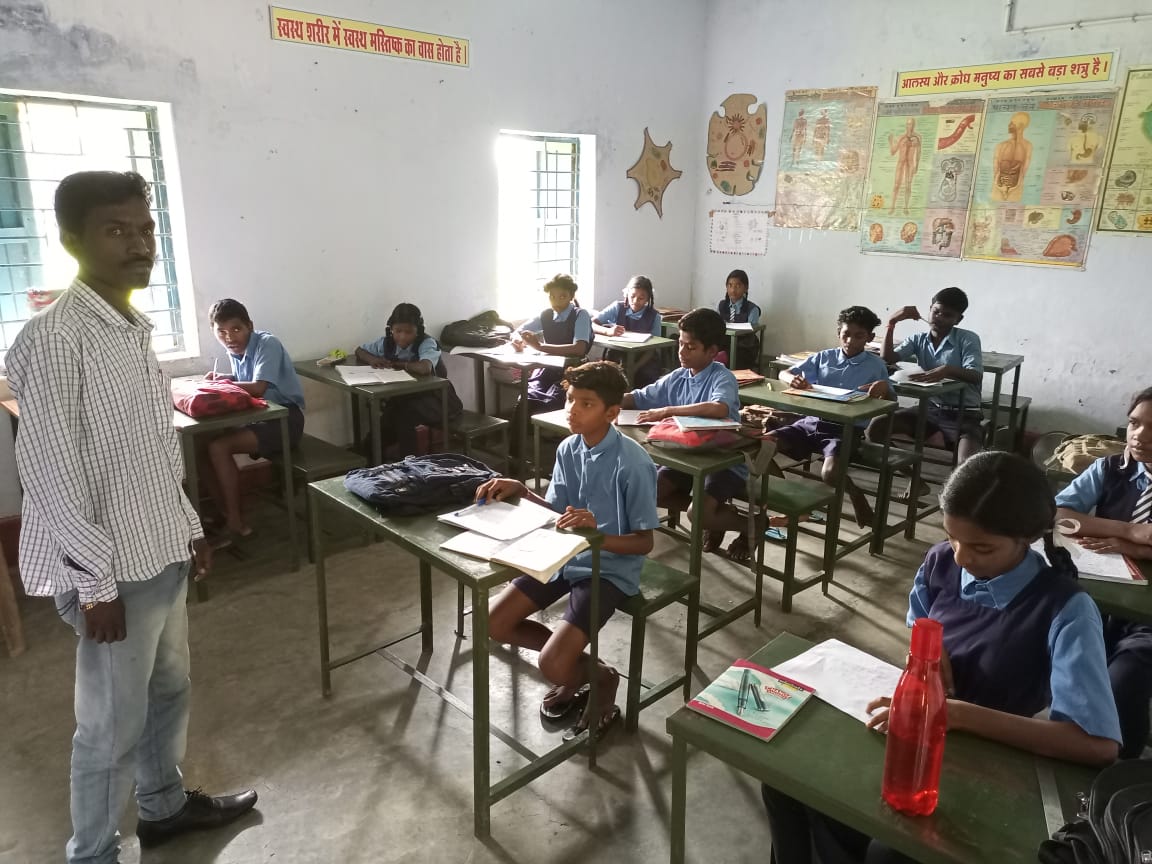
Understanding the ICDS Scheme: Objectives, Guidelines, and Key Functions
The Integrated Child Development Services (ICDS) scheme is one of India’s most critical social welfare initiatives, built to address the interconne....
Read More
Child immunization is a vital public health measure that protects children from preventable diseases. However, various challenges hinder adequate immunization in rural areas. It is essential to address these obstacles to ensure that every child receives the necessary vaccines, regardless of their location.
This article explores the importance of child immunization and identifies challenges and potential solutions for rural regions.
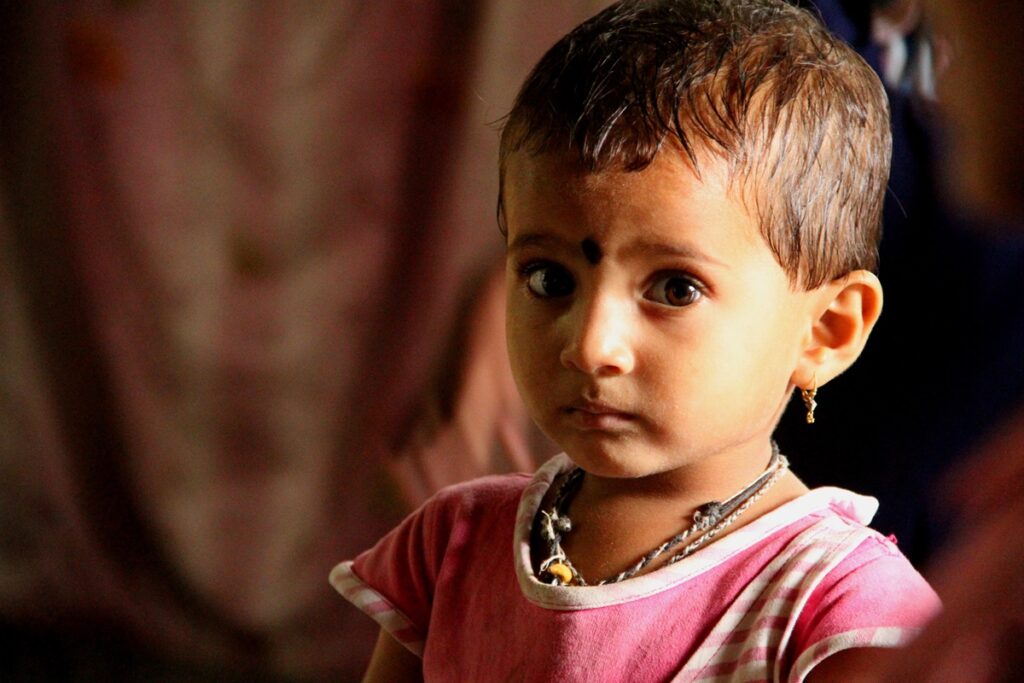
Child immunization involves administering vaccines to children to develop immunity against specific diseases. Vaccines stimulate the body's immune system to recognize and combat harmful pathogens.
Immunization is crucial in preventing outbreaks of diseases such as measles, polio, and hepatitis. By protecting children through vaccination, communities can reduce the overall prevalence of certain diseases.
It is essential to ensure that all children have access to immunization, particularly in rural areas where healthcare resources may be limited.
Ensure Proper Nutrition for a Child
Child immunization protects children from several serious and life threatening diseases. These include measles, polio, tuberculosis, diphtheria, whooping cough, and hepatitis B. Vaccines help the body build protection before exposure to these illnesses. By preventing such diseases early in life, immunization reduces child mortality and helps children grow up healthy and strong.
India follows a structured immunization schedule to ensure children receive vaccines at the right time. Vaccinations begin at birth and continue through early childhood. Each vaccine is given at a specific age to provide the best protection. Following this schedule is important because missing doses can leave children vulnerable to infections that could otherwise be prevented.
The Universal Immunization Programme covers essential vaccines for children across India. These include BCG for tuberculosis, OPV for polio, DPT for diphtheria, pertussis, and tetanus, as well as vaccines for measles and hepatitis B. These vaccines are provided free of cost through government health centres. The programme aims to ensure that every child, especially in rural areas, receives complete protection.
The importance of child immunization cannot be overstated, particularly for children in rural India. Globally, in 2023, 14.5 million infants did not receive an initial dose of the DTP (Diphtheria-Tetanus-Pertussis) vaccine, highlighting a lack of access to immunization and other health services. Also, an additional 6.5 million children are only partially vaccinated (source: who.int, 2024).
Immunized children are less likely to suffer from severe illnesses. Furthermore, widespread immunization helps promote educational opportunities as healthy children can attend school regularly.
ALSO READ: Reasons Why Immunization is Critical For Child Health
Child immunization in rural India is challenging due to a few factors. Understanding these challenges is crucial for developing effective strategies to improve vaccination coverage and ensure that every child receives protection against preventable diseases.
Access to healthcare facilities poses a significant challenge for child immunization in rural areas. Many villages lack nearby health centers or clinics, making it difficult for families to access immunization services.
Transportation barriers, such as poor road conditions and limited public transport, further complicate access. Many children may miss crucial vaccinations without convenient options, putting their health at risk.
Parents can hesitate about vaccinations considering the misinformation surrounding child immunization. Many families in rural areas may not fully understand the importance of vaccinations or may have misconceptions about vaccine safety.
This lack of knowledge can result in delays or refusal to immunize children. Community education initiatives are essential to eradicate these myths and promote the benefits of vaccination.
Socio-economic barriers significantly impact child immunization rates in rural areas. Families with low income may prioritize immediate needs, such as food and shelter, over healthcare.
Additionally, some families may lack the resources to travel to health centers for immunizations. Addressing these socio-economic challenges is crucial to ensuring equitable access to vaccinations for all children.
Supply chain issues and vaccine storage present significant challenges for child immunization in rural areas.
Vaccines require specific storage conditions to remain effective, and rural health facilities may lack adequate refrigeration. Interruptions in the supply chain can lead to vaccine shortages, further delaying immunization efforts. Improving logistics and infrastructure ensures vaccines are available and properly stored.
Also Read: Maternal and Child Health
Zero dose children are those who have not received even a single vaccine. In India, a significant number of children still fall into this category, especially in remote and underserved areas. This highlights gaps in access, awareness, and healthcare delivery. Reaching these children is critical to improving overall immunization coverage and preventing disease outbreaks.
Also Read: Nutritional Deficiencies in Children
Ensuring children in rural areas receive essential immunizations requires targeted strategies and collaborative efforts. Various approaches, including government policies, mobile clinics, community education, and public-private partnerships, are vital to achieving widespread vaccination coverage.
Government policies and immunization programs play a crucial role in enhancing child immunization rates in rural India. National initiatives aim to provide vaccines to all children, often offering free vaccinations through public health programs. These policies help ensure that every child receives the necessary immunizations.
Mobile clinics and outreach programs can effectively improve child immunization in rural areas. These initiatives bring healthcare services directly to communities, making it easier for families to access vaccinations.
These programs can reach underserved populations through regular immunization drives in villages.
Community education and awareness campaigns are essential for promoting the importance of child immunization.
By informing families about the benefits and safety of vaccines, these campaigns can help clear up misinformation and encourage parents to vaccinate their children. Child health NGO like CRY India play a key role in promoting immunization by working with local communities to raise awareness, promote health education, and bridge gaps in healthcare accessibility.
The Indian government has undertaken several initiatives to improve child immunization rates. The National Immunization Program aims to provide comprehensive vaccination coverage for children across the country. A child is considered fully immunized only when they receive all the scheduled vaccines under the national immunization programme within their first year of birth (source: nhm.gov.in, 2024).
Public-private partnerships can play a critical role in promoting child immunization in rural India. Collaborations between government agencies, NGOs, and private organizations can enhance healthcare delivery and increase resource availability.
These partnerships can provide additional funding, training, and infrastructural support, ultimately improving vaccination coverage and health outcomes for children in rural areas.
Also Read: Women’s Health & Nutrition
CRY India actively contributes to enhancing child immunization in rural areas through various initiatives. By collaborating with local communities and government bodies, CRY India facilitates access to essential vaccinations for children. A total of 6828 children under one year of age in CRY project areas have been fully immunized in 2023-24.
The organization focuses on raising awareness about the importance of child immunization and advocates for policy changes to improve healthcare services. Through its efforts, CRY India aims to ensure that every child in rural India receives timely and effective vaccinations, protecting their health and well-being.
Child immunization is crucial for protecting the health of children in rural areas. By prioritizing child immunization and collaborating effectively, stakeholders such as government agencies, NGOs, healthcare providers, and community leaders can make a significant impact. Together, we can build a healthier future for all children, ensuring they receive essential protection against preventable diseases.
Child immunization is more challenging in rural areas due to limited access to healthcare facilities, lack of awareness, socio-economic barriers, and logistical issues related to vaccine supply and storage. These factors contribute to lower vaccination rates, putting children at risk for preventable diseases.
NGOs like CRY India play a critical role in child immunization by raising awareness, providing resources, and facilitating access to healthcare services. They often collaborate with government bodies and communities to implement vaccination programs, ensuring that children receive timely immunizations.
Child immunization is the process of giving vaccines to children to protect them from harmful diseases. It helps the body build immunity and fight infections. Immunization is important because it prevents serious illnesses, reduces child deaths, and protects entire communities by stopping the spread of disease.
Under the Universal Immunization Programme, children receive vaccines such as BCG, OPV, DPT, hepatitis B, and measles. These vaccines protect against common and dangerous diseases. They are provided free of cost at government health centres to ensure that all children can access them.
The biggest challenges include lack of nearby healthcare facilities, poor transport, low awareness, and financial difficulties. In some areas, myths and misinformation also discourage parents from vaccinating their children. These issues make it harder to ensure that every child receives timely immunization.
The government is improving coverage through national programmes, free vaccination services, and outreach efforts like mobile clinics. Awareness campaigns and partnerships with organisations also help reach more families. These steps aim to ensure that every child, including those in rural areas, is fully immunized.
The Integrated Child Development Services (ICDS) scheme is one of India’s most critical social welfare initiatives, built to address the interconne....
Read More
World Health Day reminds the world that every child deserves a healthy start in life. World Health Day is celebrated on 7 April each year to mark the....
Read More All our efforts are made possible only because of your support
 Your donations are tax exempted under 80G of the Indian Income Tax Act
 Your donation transactions are completely safe and secure


Spread the word on social media and join the movement to raise awareness about the importance of girls completing their education.


Spread the word on social media and join the movement to end the shame around periods. #LetsTalkAboutPeriods