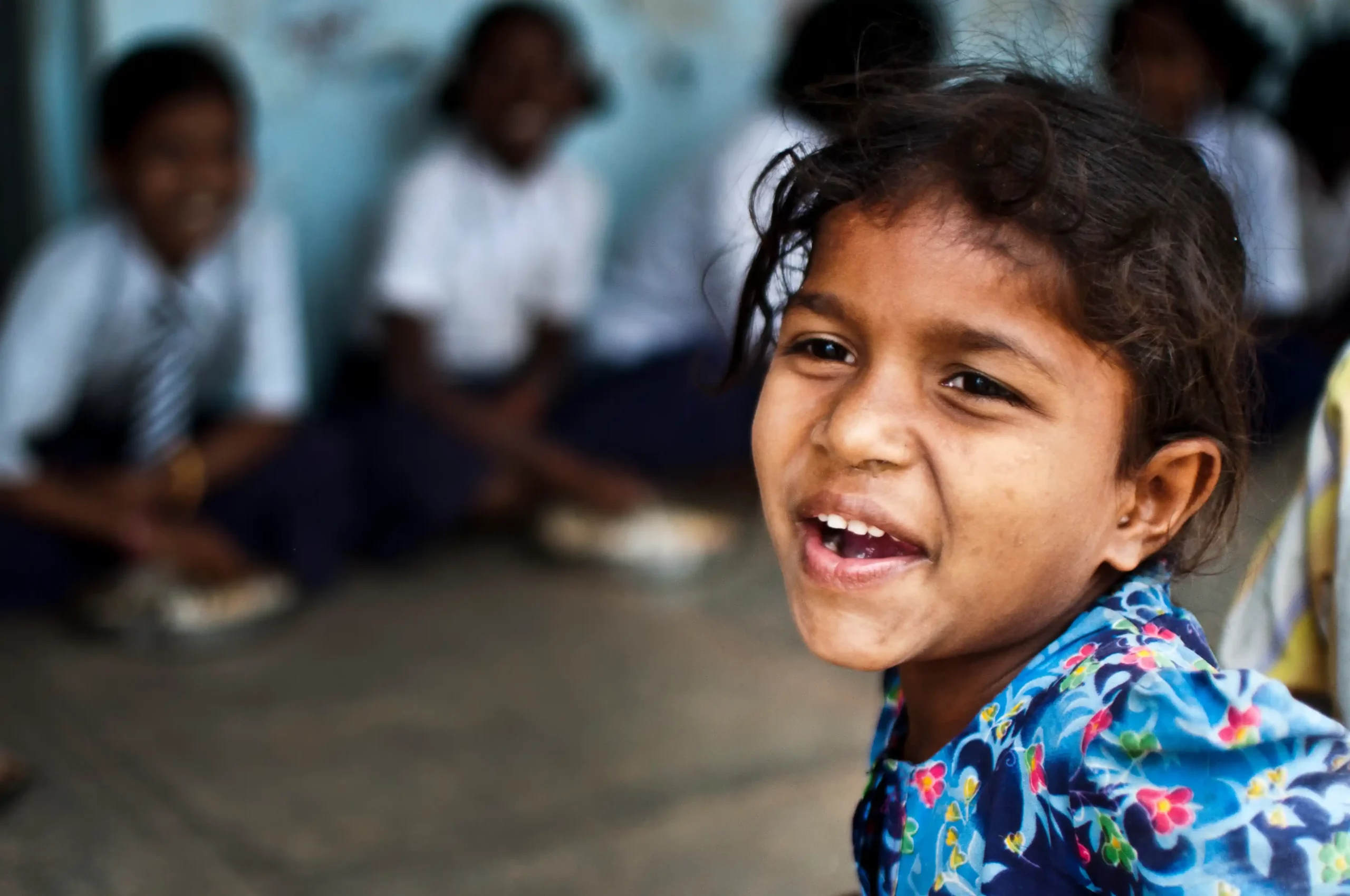
Child Participation: Why Every Child’s Voice Matters in Building a Better India
Children are affected by decisions made at home, in schools and across communities, yet their perspectives are not always included in those decisions....
Read More
Every child deserves a safe childhood — a chance to learn, play, and grow without fear. The Protection of Child Rights Act and related laws aim to ensure every child in India grows up safe and educated. However, in 2025–2026 many children still face abuse, neglect, and exploitation despite legal safeguards.
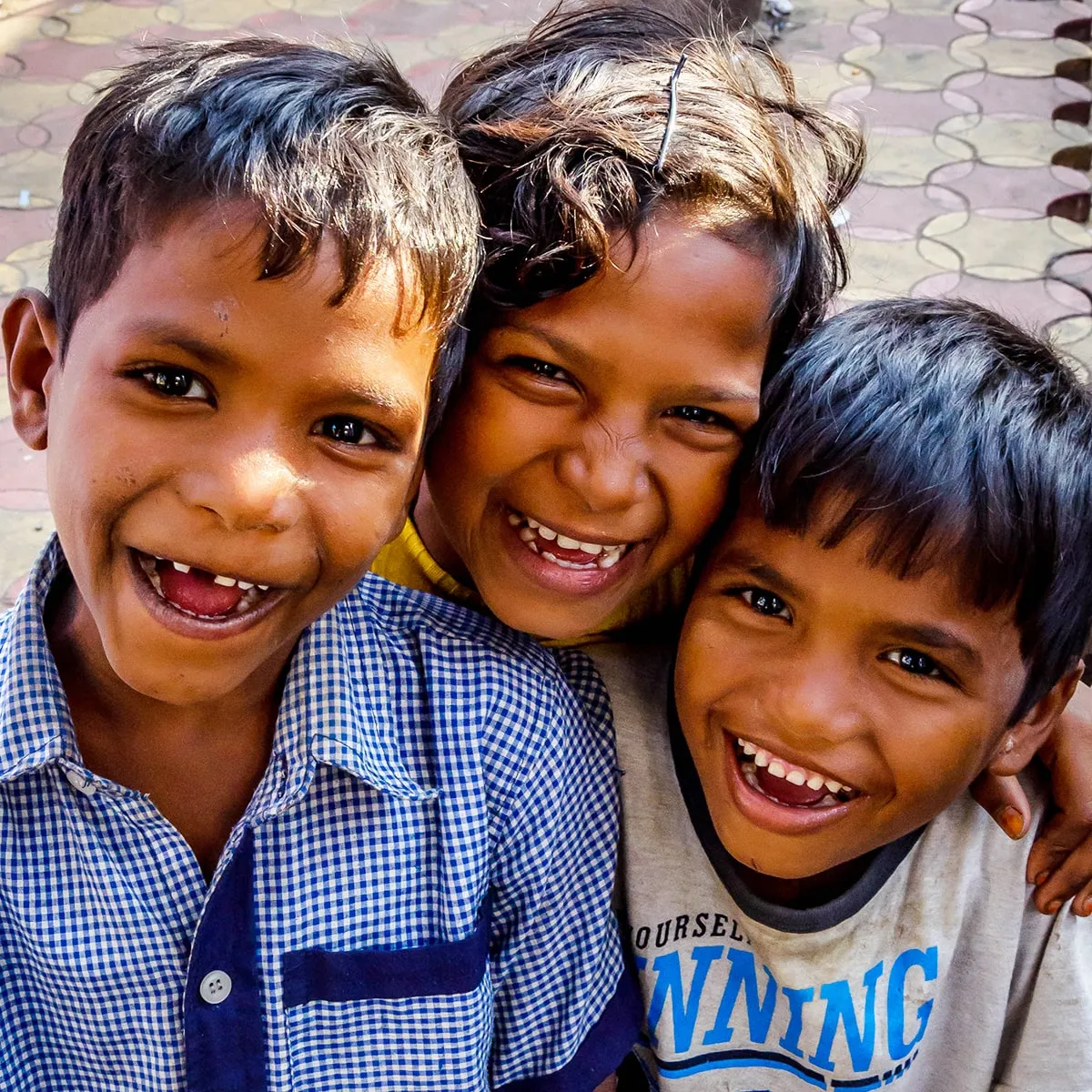
The Protection of Child Rights Act 2005, also known as the Commission for Protection of Child Rights Act 2005, led to the establishment of the National and State Commissions for Protection of Child Rights (NCPCR and SCPCRs) frameworks, which monitor and safeguard child rights. Together with laws like POCSO and the Juvenile Justice Act, it protects children from abuse, labour, and discrimination.
Strong child protection laws are essential because many children remain vulnerable to early marriage, trafficking, labour, and violence. Legal safeguards help ensure children can live safely, attend school, and grow without exploitation while giving authorities the power to intervene when rights are violated.
Also Read: Triple Burden of Malnutrition
Although India has strong laws, implementation remains a challenge. Large population size, limited resources, and gaps in awareness often prevent the Protection of Child Rights Act from reaching the most vulnerable communities across rural and remote regions.
Weak enforcement is one of the biggest challenges. Even though the Protection of Child Rights Act 2005 and related laws exist, many cases are not reported or investigated quickly. Overburdened systems and lack of trained personnel make it difficult to respond effectively to child protection cases.
Many families and communities are still unaware of child protection laws. Without knowledge of the Commission for Protection of Child Rights Act, cases of early marriage, labour, and abuse often remain hidden. Raising awareness is essential so communities understand children’s legal rights and responsibilities.
Limited funding and infrastructure also slow progress. Child protection requires trained staff, fast-track courts, rehabilitation services, and monitoring systems. Without sufficient resources, the legal framework cannot function effectively, leaving many vulnerable children without the protection they need.
Also Read: Juvenile Justice Act
Organisations such as CRY India play a key role in supporting the goals of the Protection of Child Rights Act. They work directly with communities to ensure children receive healthcare, nutrition, education, and protection. Their programmes also support immunisation, child welfare awareness, and education access for underprivileged families.
Also Read: National Science Day
Strong laws become effective only when properly implemented. By improving enforcement, awareness, and resources, the Protection of Child Rights Act 2005 can create a safer environment where children are protected from exploitation and supported in their development.
Better enforcement requires stronger coordination between government departments, police, and community organisations. Strengthening monitoring systems and supporting trained investigators helps ensure that cases of child abuse or exploitation are identified quickly and addressed with proper legal action.
Public awareness programmes can help communities understand children’s rights and legal protections. Schools, community leaders, and local campaigns can inform parents about the dangers of child labour and early marriage while encouraging families to prioritise education and safety.
Building strong child protection systems requires proper investment. Funding must support child welfare services, counselling centres, rehabilitation programmes, and trained social workers. These resources ensure children who experience abuse receive the support they need to recover and continue their education.
Looking ahead, stronger partnerships between government bodies, civil society, and organisations such as CRY India can improve child protection systems. Expanding education, strengthening community awareness, and supporting family-based care will help ensure children remain safe and in school.
Also Read: National Education Policy NEP 2020
Protecting children is a shared responsibility. The Protection of Child Rights Act, supported by the Commission for Protection of Child Rights Act 2005, provides a strong legal foundation. With better awareness, stronger enforcement, and continued support and donations for organisations like CRY India, every child can grow up safe and protected.
The Protection of Child Rights Act is necessary to safeguard children from abuse, exploitation, trafficking, and neglect. It provides a legal framework that allows authorities to monitor child welfare, respond to violations, and ensure every child has access to safety, education, and healthcare.
Effective legislation strengthens child protection by creating clear rules and accountability. When laws are properly enforced, they discourage exploitation, ensure quick legal action against offenders, and provide support services such as rehabilitation, education access, and counselling for affected children.
Future policies should focus on stronger enforcement, increased funding for child protection services, and better training for law enforcement and social workers. Community programmes and school awareness campaigns can also help ensure children’s rights are understood and protected.
Public awareness can be increased through community campaigns, school programmes, and partnerships with organisations like CRY India. Informing parents, teachers, and local leaders about children’s rights encourages communities to report violations and support safer environments for children.
Children are affected by decisions made at home, in schools and across communities, yet their perspectives are not always included in those decisions....
Read More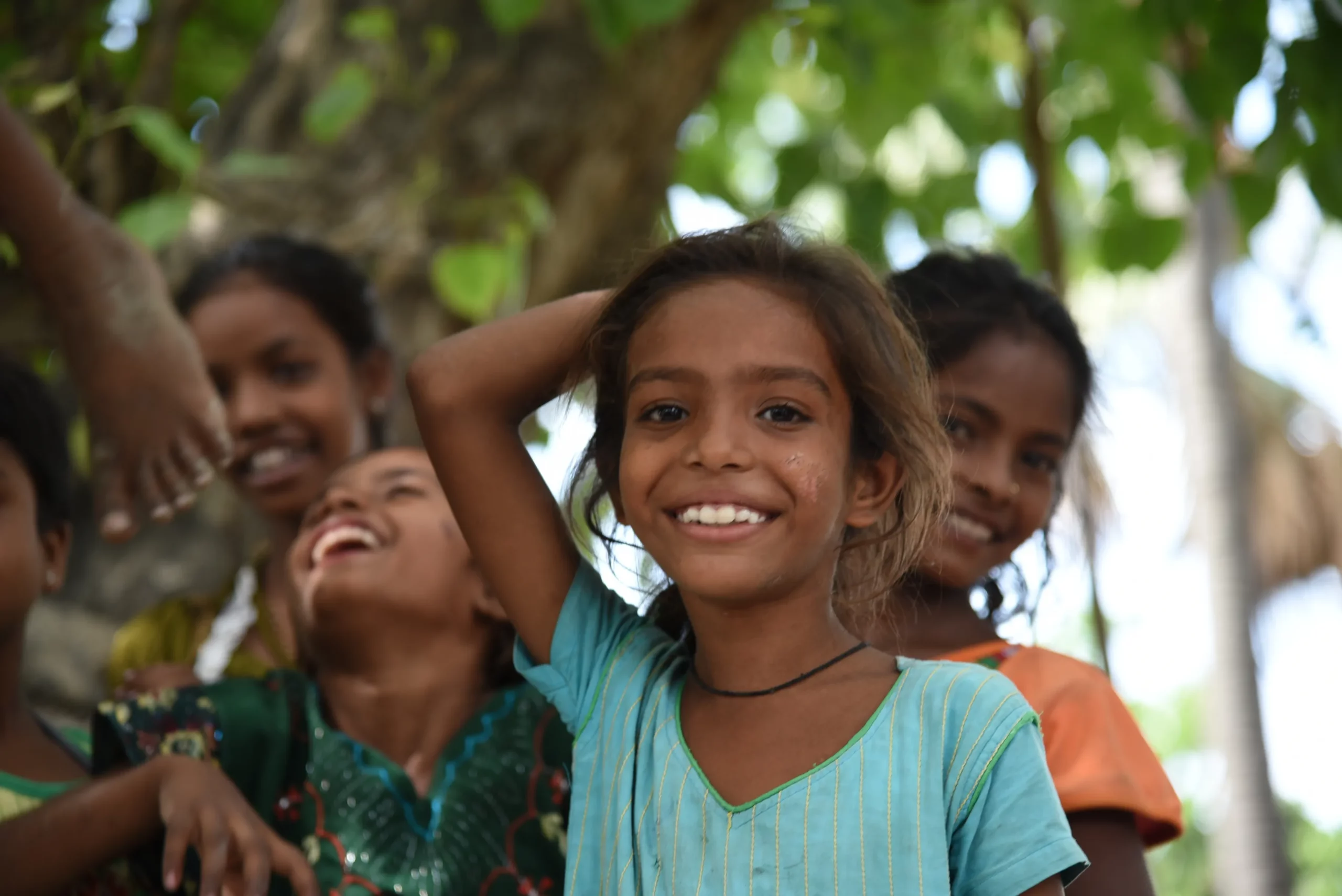
Introduction to Social skills for childrenChildren grow and learn not only through books and lessons but also through everyday interactions with ....
Read More All our efforts are made possible only because of your support
 Your donations are tax exempted under 80G of the Indian Income Tax Act
 Your donation transactions are completely safe and secure


Spread the word on social media and join the movement to raise awareness about the importance of girls completing their education.


Spread the word on social media and join the movement to end the shame around periods. #LetsTalkAboutPeriods