Clean Water and Children: Why Access to Safe Drinking Water Is a Child Right in India
Access to clean water in India is essential for every child's health, growth, and future. It protects children from disease, supports their education....
Read More
The Integrated Child Development Services (ICDS) scheme is one of India’s most critical social welfare initiatives, built to address the interconnected challenges of child nutrition, health, and early education. At its core, the ICDS Scheme is not just a government programme, it is a long-term investment in human capital, targeting the most vulnerable phase of life: early childhood.
By delivering a structured package of services through community-level systems, the scheme ensures that children, along with pregnant and lactating mothers, receive the support required for healthy development. Its design reflects a clear intent to break the cycle of malnutrition, poor health, and limited learning outcomes at the grassroots level.
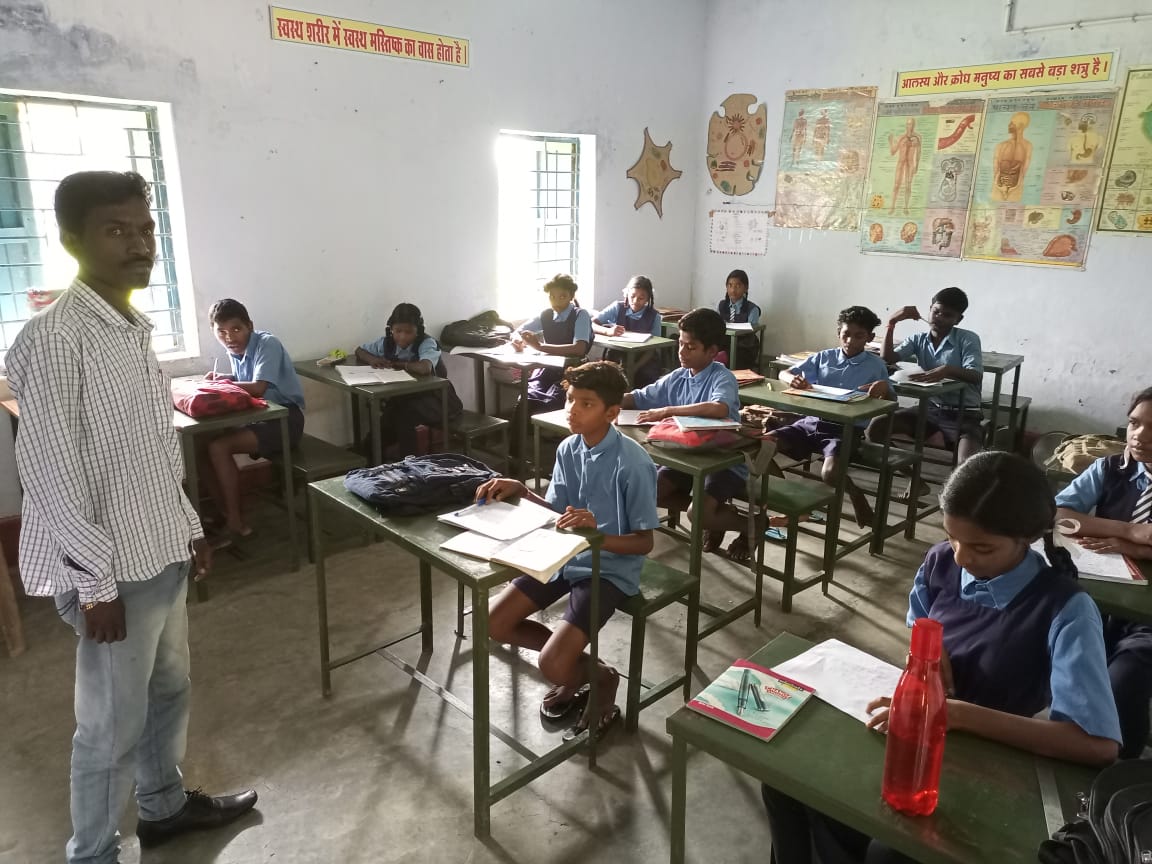
To understand what the ICDS scheme is, it's important to look at its scope and scale. The programme is among the largest early childhood care systems globally, combining nutrition, healthcare, and education into a single delivery model.
The ICDS Scheme primarily focuses on children below six years of age, ensuring they receive supplementary nutrition, immunisation, health monitoring, and early learning exposure. At the same time, it supports mothers with essential health and nutrition education.
In practical terms, about the ICDS scheme, it operates through a decentralised network of Anganwadi centres, making services accessible even in remote and underserved regions. This community-based delivery model is what makes it both scalable and impactful.
Also Read: Anganwadi System in India
A clear understanding about the ICDS scheme requires identifying its beneficiaries. The programme is designed to serve:
The scheme specifically prioritises low-income and marginalised communities, where risks of malnutrition and limited healthcare access are significantly higher. By intervening during early childhood, a period critical for brain development, the ICDS Scheme ensures that socio-economic barriers do not permanently affect a child’s growth trajectory.
The ICDS scheme objectives are structured around holistic child development, combining health, nutrition, and education into a unified framework.
One of the primary ICDS scheme objectives is to improve the nutritional intake and overall health of children. This is achieved through consistent food supplementation and regular health monitoring, ensuring early detection of growth issues.
A critical goal is reducing infant mortality and malnutrition. Preventive healthcare—such as immunisation and routine check-ups, plays a central role in lowering disease burden and improving survival rates.
The scheme also focuses on cognitive and social development. Early exposure to structured learning environments helps children transition smoothly into formal schooling.
Empowering mothers is another key pillar. Through awareness sessions on nutrition, hygiene, and childcare, the programme ensures long-term behavioural change within families.
Also Read: Understanding Child Malnutrition in India
The functions of the ICDS scheme are delivered through an integrated service package that addresses multiple aspects of child development simultaneously.
This function bridges the nutritional gap in vulnerable households by providing calorie-rich and protein-based meals to children and mothers.
Regular immunisation protects children from preventable diseases, while health check-ups track growth and identify early signs of malnutrition or illness.
When specialised care is needed, referral systems connect beneficiaries to higher-level healthcare facilities, ensuring continuity of care.
This component introduces children aged 3–6 to basic learning concepts in a structured yet informal setting, strengthening school readiness.
Also Read: Nutritional Programmes in India
The ICDS scheme guidelines define how the programme is executed across states while maintaining consistency in service delivery.
Anganwadi centres are the backbone of the system. Workers act as frontline service providers, responsible for delivering nutrition, conducting preschool activities, and maintaining health records.
The scheme operates through a Centre–State partnership. Funds are allocated based on population needs, while state governments manage implementation logistics and staffing.
Robust monitoring mechanisms ensure accountability. Data collection, reporting systems, and periodic evaluations help maintain service quality and identify gaps in delivery.
Also Read: Child Immunization in Rural Areas
The Integrated Child Development Services (ICDS) scheme has undergone significant evolution since its inception. Initially centred on basic nutrition, it has expanded to include early education, maternal health, and community engagement.
In recent years, digitisation and real-time monitoring tools have improved transparency and efficiency. There is also a stronger focus on convergence—aligning ICDS with health, sanitation, and education programmes for better outcomes.
This shift reflects a more comprehensive understanding of child development, moving beyond survival to overall wellbeing and future readiness.
While the government drives the ICDS Scheme, non-governmental organisations play a critical supporting role. Groups like CRY work at the grassroots level to strengthen implementation.
Their contribution includes:
By bridging gaps between policy and practice, such organisations ensure that the functions of the ICDS scheme translate into real impact on the ground.
Also Read: Importance of Mid-Day Meal Schemes in Schools in India
The ICDS Scheme continues to be a cornerstone of India’s child welfare strategy. Its integrated approach, combining nutrition, healthcare, and education, addresses the root causes of inequality early in life.
As India continues to grow, strengthening the ICDS scheme guidelines, expanding coverage, and improving service quality will be essential. The long-term payoff is significant: healthier children, empowered mothers, and a more productive society.
The functions of the ICDS scheme include six core services: supplementary nutrition, pre-school education, nutrition and health education, immunisation, health check-ups, and referral services. Together, they ensure comprehensive child development.
The ICDS Scheme primarily benefits children aged 0–6 years, along with pregnant women and lactating mothers, especially from economically weaker sections.
Under the ICDS scheme guidelines, Anganwadi workers deliver services directly to communities. They manage nutrition programmes, conduct early education sessions, track child growth, and educate mothers.
Organisations like CRY strengthen the Integrated Child Development Services (ICDS) scheme by improving awareness, supporting implementation, and ensuring accountability, particularly in underserved areas
Access to clean water in India is essential for every child's health, growth, and future. It protects children from disease, supports their education....
Read More
The child mortality rate continues to be one of the clearest indicators of a nation’s health and development. According to recent global estimates,....
Read More All our efforts are made possible only because of your support
 Your donations are tax exempted under 80G of the Indian Income Tax Act
 Your donation transactions are completely safe and secure


Spread the word on social media and join the movement to raise awareness about the importance of girls completing their education.


Spread the word on social media and join the movement to end the shame around periods. #LetsTalkAboutPeriods