Children and Social Media: Staying Safe from Online Risks
Social media is now a regular part of many children's lives, helping them learn, connect and have fun. However, it also brings risks such as bullying....
Read More
An Assam flood can disrupt a child's life in ways that go far beyond the immediate loss of a home or access to food. Flooding can force families to leave their homes, interrupt schooling and make healthcare and other essential services difficult to access. While food, clean water and temporary shelter are critical during an emergency, children also need continued support to learn, stay healthy and feel safe.
Assam experiences recurring floods that affect communities across several flood-prone regions. Families in Assam flood affected areas may face displacement, loss of livelihoods and damage to homes, schools, roads and health facilities.
For children, these disruptions can affect education, nutrition, healthcare and emotional well-being. Recovery therefore needs to extend beyond immediate relief and help restore the support systems children depend on.
Children depend on adults and community systems for food, healthcare, education and protection. When these systems are disrupted, they can face increased risks of illness, undernutrition, exploitation and interrupted learning.
Displacement can separate children from familiar surroundings, schools and support networks. Families facing the loss of livelihoods may also experience financial pressure, increasing the risk that older children are pushed into work.
Flood response must therefore recognise children's specific needs and rights, both during the emergency and throughout recovery.
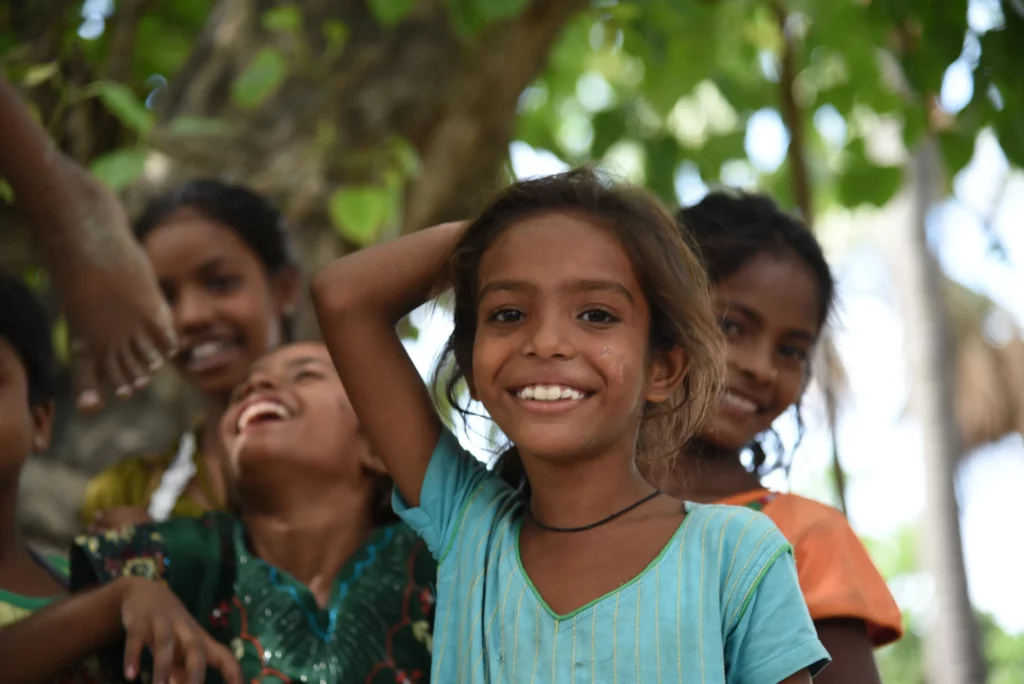
Flooding can interrupt education when schools close, become inaccessible or are damaged. Children who relocate with their families may also be unable to return to their usual schools, making it harder to maintain continuity in learning.
When schools remain closed, children can miss weeks of learning. Additional support may be needed to help them resume lessons and catch up after the disruption.
Floodwater can damage classrooms, textbooks, notebooks and other learning materials. Providing educational materials and restoring safe learning spaces can help children return to education.
Also Read: https://www.cry.org/blog/what-is-the-right-to-education-act/
Floods can disrupt children's access to nutritious food, clean water and healthcare. These challenges can continue even after immediate relief reaches affected communities.
Flooding can affect drinking water, sanitation and regular meals. Children need consistent access to safe water and nutritious food to support healthy growth and development.
Contaminated water, poor sanitation and stagnant water can increase children's exposure to illness. Access to primary healthcare, hygiene facilities and information can help address these risks.
Floods can be frightening and unsettling for children. Losing a home, leaving familiar surroundings or witnessing damage to their community can affect their sense of safety. Safe spaces, supportive adults and psychosocial care can help children process these experiences.
When floods disrupt family livelihoods, financial pressures can increase. Children may be pushed into work or become more vulnerable to exploitation and trafficking, particularly when community protection systems are weakened. Helping families access essential services and keeping children connected to education can reduce these risks.
Food, water and temporary shelter are essential forms of emergency assistance, but children need continued support after the immediate crisis. Effective flood relief can connect emergency response with education, healthcare, nutrition and child protection.
Also Read: https://www.cry.org/blog/cry-supports-vulnerable-communities-during-the-pandemic/
For example, child-focused response can include connecting children and pregnant women with primary healthcare, providing educational materials and creating safe spaces where children can receive psychosocial support. This helps address both immediate needs and the longer process of recovery.
Safe spaces can give children opportunities to play, learn and interact with trusted adults during periods of displacement. They can also help identify children who may need additional protection or psychosocial support.
Children need opportunities to resume learning after floods. Educational materials, temporary learning arrangements and restored school facilities can help bring continuity back to their education.
Children may need continued access to healthcare, nutritious food, clean water and sanitation after flooding. In affected communities, connecting children and pregnant women with primary healthcare can help address immediate health needs.
Emotional support is equally important. Safe spaces and psychosocial support can help children cope with displacement, loss and disruption while they gradually return to everyday routines.
Communities can help identify children's needs and connect families with schools, healthcare and protection services. NGOs can work with local communities and systems to strengthen these efforts, coordinate relief and support the restoration of essential services.
A sustained response can help bridge the gap between immediate Assam flood relief and long-term recovery, ensuring that children's education, health and protection remain part of the response.
Long-term support can help children return to school, access healthcare and nutrition, and grow up in safe environments. It may also involve restoring schools and health facilities, strengthening community services and helping families recover their livelihoods.
In Assam flood affected areas, sustained support can help reduce the long-term disruption that recurring floods can cause in children's lives.
Support Assam Flood Relief for Children
Helping children recover from floods means looking beyond immediate survival. They need opportunities to return to learning, access healthcare, feel safe and rebuild a sense of routine.
Child-focused recovery can bring together emergency assistance with educational support, healthcare, safe spaces and psychosocial care. People who wish to contribute to an Assam flood relief fund can also consider supporting approaches that address children's needs beyond the immediate emergency.
By addressing these needs together, communities and organisations can help children move from crisis towards recovery and rebuild their futures after the floodwaters recede.
Explore CRY's Health and Nutrition Work
Floods can disrupt children's education, healthcare, nutrition and daily routines. Children may be displaced from their homes, separated from familiar surroundings and exposed to unsafe water and sanitation. Flooding can also increase risks of illness, exploitation and child labour. Continued support is important to help children recover and return to learning and everyday life.
Food and shelter are essential during an emergency, but children also need healthcare, nutritious food, education and protection. Flooding can disrupt schools, health services and community support systems. Safe spaces and psychosocial support can also help children cope with displacement and distress, making longer-term, child-focused recovery important.
Floods can force schools to close, damage classrooms and learning materials, and make it difficult for displaced children to attend their usual schools. Children may miss weeks of learning and struggle to catch up after schools reopen. Educational materials, safe learning spaces and additional academic support can help restore continuity.
Children can face several risks after a natural disaster, including illness, undernutrition, interrupted education and emotional distress. Displacement can also increase vulnerability to child labour, exploitation and trafficking. When families lose livelihoods and community systems are disrupted, children may need additional protection and support to remain safe and continue learning.
People can support child-focused recovery by contributing to credible relief and development efforts that address more than immediate needs. Support can help connect children with healthcare, education, nutrition, safe spaces and protection services. Contributing to an Assam flood relief fund that supports longer-term recovery can also help affected communities rebuild.
Social media is now a regular part of many children's lives, helping them learn, connect and have fun. However, it also brings risks such as bullying....
Read More
A hotter summer can mean more than an uncomfortable day for a child. It can make it harder to concentrate in class or spend time outdoors. Heavy rain....
Read More All our efforts are made possible only because of your support
 Your donations are tax exempted under 80G of the Indian Income Tax Act
 Your donation transactions are completely safe and secure


Spread the word on social media and join the movement to raise awareness about the importance of girls completing their education.


Spread the word on social media and join the movement to end the shame around periods. #LetsTalkAboutPeriods