Healthy children are better learners, and educated individuals make informed health choices. Health education for children is defined as equipping children with knowledge and skills about their well-being, impacting both their physical health and emotional resilience. Schools play a vital role as health hubs, integrating health education into their curricula and addressing barriers like inadequate infrastructure and mental health support. Programs must incorporate interactive methods and innovation, nurturing healthy behaviors. CRY India highlights its dual focus on health and education, providing infrastructure improvements, health check-ups, and community engagement to ensure comprehensive support for children’s development.
When we think of giving children the best possible start in life, two things immediately come to mind: good health and quality education. Both are equally important, and together they form the foundation for a child’s future. A healthy child can learn better, and an educated child can make wiser choices about their health and overall well-being. This strong connection between health and education is what helps children grow into confident, capable adults who can contribute positively to society.
The Interconnected Path of Health and Education
What is health education, and why is it important?
Before we look at the connection, it is important to understand what health education is and why it is important. Health education is the process of giving children the right knowledge, values, and skills to make informed choices about their physical and mental well-being. It teaches them about nutrition, hygiene, exercise, safety, and emotional health. When children learn these lessons early, they are more likely to grow up healthy and avoid preventable illnesses.
The need for health education in shaping futures
The need for health education goes far beyond classrooms. It equips children with lifelong skills that shape their future. For instance, knowing about proper nutrition helps prevent malnutrition, which is still a major challenge in many parts of India. Awareness about hygiene can reduce the spread of diseases that keep children away from school. Health education also builds confidence, as children who understand their own bodies and emotions are better prepared to face challenges.
The importance of health education for children
So, what is the importance of health education in a child’s development? It plays a crucial role in shaping not only their physical health but also their social and emotional well-being. Healthy children are more energetic, more attentive in classrooms, and more active in play. They learn teamwork, resilience, and problem-solving through activities that combine both health and education. This balance ensures that they do not just survive but truly thrive.
It is no surprise that children who are physically healthy perform better in school. Malnutrition, frequent illness, or lack of sleep can significantly affect concentration, memory, and learning abilities. Good health gives children the stamina and focus to attend school regularly and make the most of their education.
How education fosters healthier life choices
Education, on the other hand, influences health outcomes. A child who is taught about hygiene is less likely to suffer from infections. A teenager who understands the dangers of substance abuse is more likely to avoid risky behaviour. By learning about health in school, children are empowered to make smarter decisions for themselves and their families. This is how health and education work together in a continuous cycle of positive impact.
Schools as health hubs
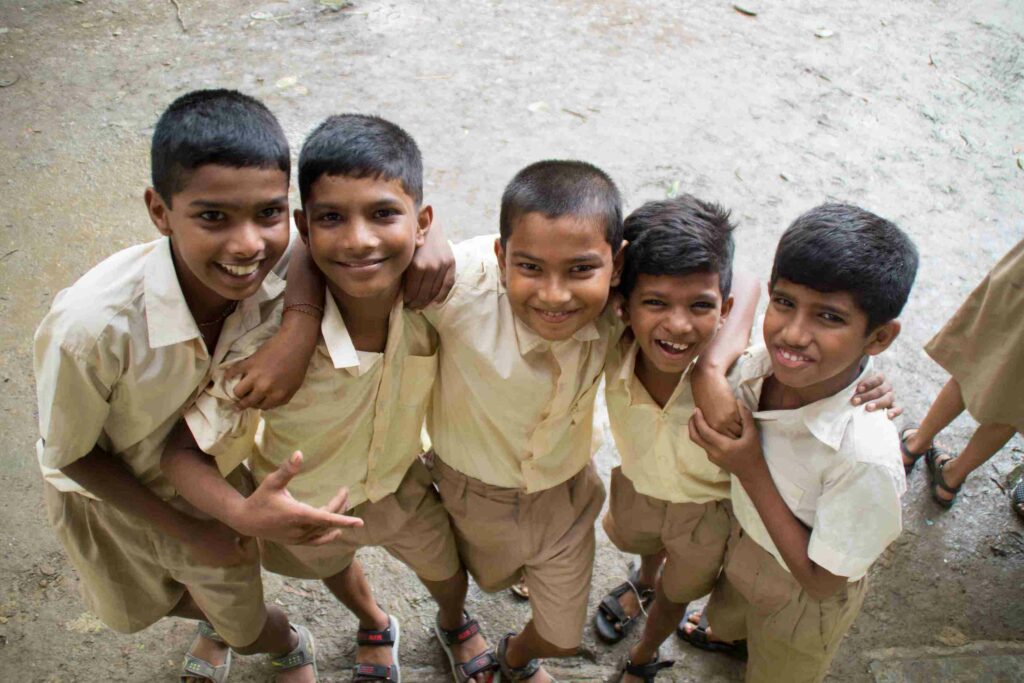
Schools are not just centres of learning; they are also key places for promoting health. When schools integrate health education into their curriculum, they become safe spaces where children can learn about nutrition, physical activity, and mental well-being. Midday meals, vaccination drives, and counselling services further make schools health hubs that nurture every aspect of a child’s growth.
Key Components of Effective Health Education for children
Foundational elements of health education
For health education to make a real difference, it must have strong foundational elements. These include accurate information, engaging teaching methods, and age-appropriate lessons. Children should not just memorise facts but also understand how to apply them in daily life. For example, knowing the importance of washing hands before meals becomes a lifelong habit that prevents disease.
Behaviour change strategies
Simply giving knowledge is not enough; children must be guided toward healthy behaviours. This requires interactive activities, role models, and continuous encouragement. Programmes that use games, storytelling, and peer discussions make it easier for children to adopt healthy habits. When they see their friends and teachers practising these behaviours, they are more likely to follow suit.
Technology as a facilitator
Technology can make health education more effective and engaging. Digital platforms, mobile apps, and e-learning tools can provide creative ways to spread health awareness. Interactive videos and games help children understand complex topics in simple ways. In rural areas, where health resources may be limited, technology becomes an important bridge in bringing both health and education together.
Overcoming Barriers and Seizing Opportunities to Health Education for Children
Infrastructure gaps and staffing challenges
One of the biggest barriers to health education is the lack of proper infrastructure. Many schools in rural India do not have clean toilets, safe drinking water, or enough trained staff to teach health-related topics. These gaps make it harder for children to adopt healthy practices. Bridging this gap requires investment in facilities and training for teachers so that schools can become true centres of learning and well-being.
Addressing mental health in schools
Mental health is often overlooked, but it is just as important as physical health. Stress, anxiety, and peer pressure affect children deeply, sometimes even leading to dropouts. Schools must provide counselling support and create safe spaces where children feel heard and valued. Health education should also address emotional intelligence, empathy, and self-care.
Innovation and partnerships
To make lasting change, innovation and partnerships are key. Governments, NGOs, teachers, parents, and communities must come together to promote health and education. Creative solutions like community health camps, school nutrition programmes, and collaborations with healthcare professionals can have a powerful impact. By working in partnerships, we can reach more children and ensure no one is left behind.
The Role of Parents and Communities in Health Education for Children
Parents and communities play an important role in reinforcing health education for children beyond the classroom. When healthy practices are encouraged at home and within communities, children are more likely to adopt and sustain positive habits.
Key contributions include:
Supporting daily hygiene and nutrition routines
Encouraging open discussions around health
Creating safe and supportive environments for children
Strong collaboration between schools, families, and communities strengthens children’s health and education outcomes.
How CRY India’s Initiatives are Promoting Health Education for Children
CRY India works with schools, communities, and local systems to strengthen health education for children across India. Its initiatives focus on integrating health awareness into education and community engagement.
Key focus areas include:
Nutrition awareness
Hygiene education
Access to basic healthcare
Safe and child-friendly school environments
These efforts help ensure that health education reaches children in vulnerable communities.
CRY India’s Role in Promoting Health Education for Children
At CRY India, we understand the importance of health education for children. A child cannot do well in school if they are unwell, and a good education is essential for making informed health choices. This is why our programmes focus on both areas simultaneously, ensuring that children not only get access to schools but also the support they need to stay healthy.
We work with schools to improve infrastructure, making sure children have access to clean toilets, safe drinking water, and proper nutrition through school meals. We support health check-ups and awareness sessions so that children learn about hygiene, nutrition, and mental well-being in practical, engaging ways.
CRY India also engages parents and communities, helping them understand the need for health education and why it is crucial for shaping their children’s futures. By creating awareness at the grassroots level, we ensure that families encourage healthy habits at home, reinforcing what children learn at school.
Our programs also prioritise mental health. By providing counselling, safe spaces, and teacher training, we help children deal with stress, build resilience, and develop emotional strength. These steps are vital to keeping children motivated and confident in their learning journey.
But our role goes beyond immediate support. Through advocacy and partnerships, we work with governments and organisations to ensure health education becomes an integral part of every school curriculum in India. We believe that children from all backgrounds should have equal opportunities to grow up healthy and educated.
When you support CRY India, you become part of this mission. You help us create environments where children are not only able to learn but also to live healthier, happier lives. Together, we can ensure that every child is empowered through the combined strength of health and education.
Support child health through CRY India and help children grow strong, stay active, and thrive in school, ensuring they have the opportunity to learn well and dream big.
What are the long-term benefits of health education for children?
Health education for children helps build strong foundations for learning, confidence, and well-being. Children with early health awareness are more likely to stay in school, avoid preventable illnesses, and grow into adults who can make informed choices for themselves and their communities.
How can parents contribute to their children's health education?
Parents play a key role by reinforcing healthy habits at home and supporting children’s learning beyond school. Simple actions such as encouraging hygiene, balanced meals, and open conversations around health strengthen the impact of school-based health education.
What are the challenges faced in delivering health education in rural areas?
In rural areas, health education is often limited by poor infrastructure, lack of trained educators, and restricted access to healthcare services. CRY addresses these gaps by working with local communities, strengthening schools, and supporting systems that ensure health education reaches every child.
How does health education influence children’s overall development?
Health education supports children’s physical growth, emotional resilience, and ability to learn. When children understand health early, they are better equipped to participate in school, build confidence, and navigate challenges that affect their well-being.
PM POSHAN Scheme: Everything You Need to Know About India’s Mid-Day Meal Programme in 2026
The PM POSHAN Scheme, formerly known as the mid-day meal scheme, is a major school nutrition programme in India. It provides hot-cooked meals to elig....
Learning Outcomes in India: Why Going to School Is Only the First Step
Going to school is an important part of every child’s development, but enrolment alone does not guarantee that meaningful learning is taking place.....