Learning Outcomes in India: Why Going to School Is Only the First Step
Going to school is an important part of every child’s development, but enrolment alone does not guarantee that meaningful learning is taking place.....
Read More
Early Childhood Care and Education (ECCE) plays a vital role in a child's development, particularly in underserved communities with limited access to quality education and care.
Children often face many challenges in these areas that hinder their early learning experiences. NGOs like CRY India step in to bridge critical gaps, striving to ensure that every child—regardless of their background—has access to quality care and foundational education in their early years.
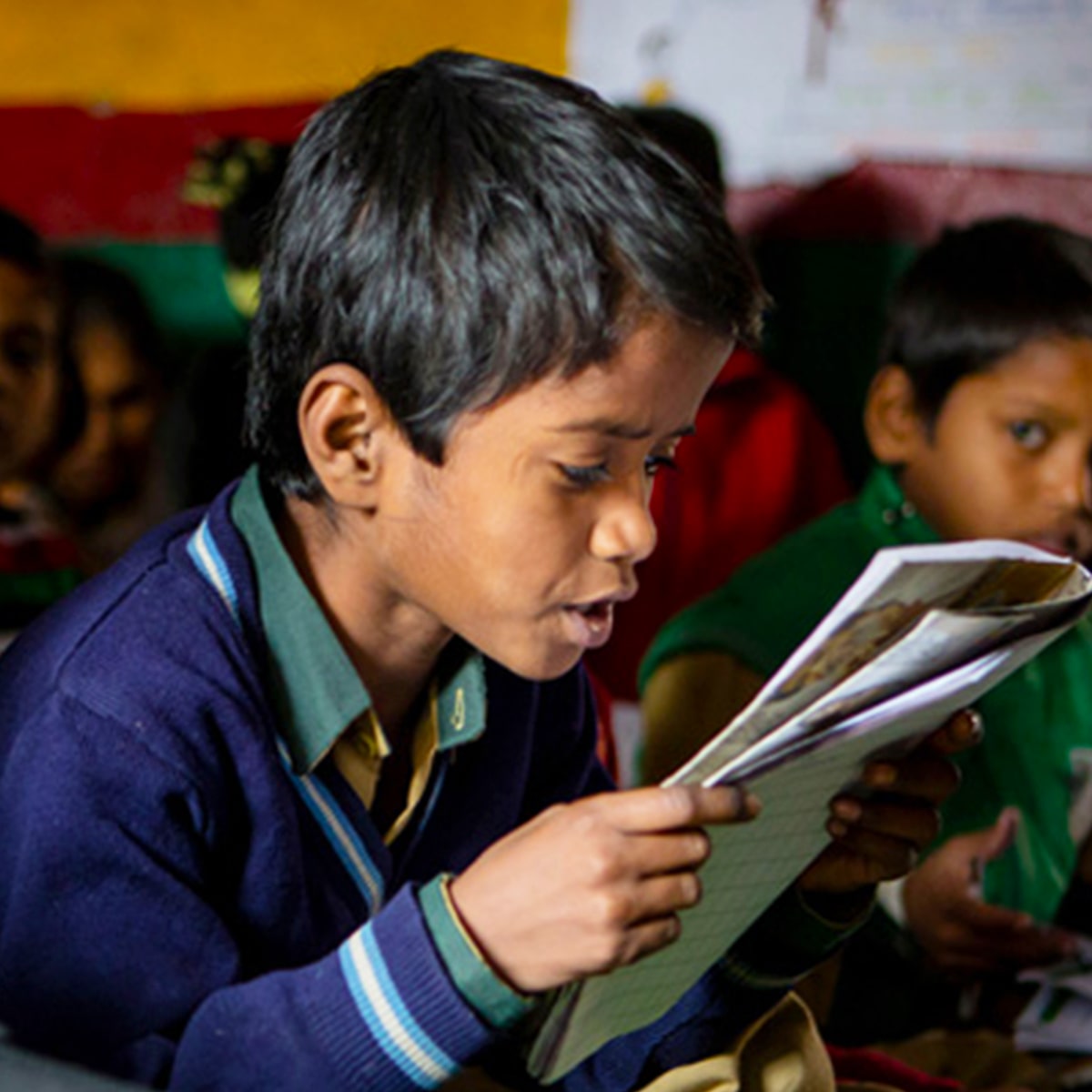
Early Childhood Care and Education refers to structured care and educational programs designed for children under the age of eight. These programs aim to provide children with the foundational skills they need for lifelong learning and well-being.
ECCE includes a mix of play-based learning, basic education, and health care, which support a child's emotional, social, cognitive, and physical development. This program is critical in the early years as it lays the groundwork for future learning.
What is ECCE? It is more than just schooling; it encompasses everything a child experiences in these critical early years, from cognitive stimulation to social interaction and physical health care. By providing a nurturing environment, ECCE helps shape a child's future in terms of academic success, social engagement, and emotional intelligence.
The ECCE full form is Early Childhood Care and Education. It refers to a holistic approach that supports the physical, emotional, cognitive, and social development of children from birth to eight years. Understanding what is ECCE and its meaning is essential, as these early years lay the foundation for lifelong learning, well-being, and development.
Early childhood is a critical phase when brain development happens rapidly, shaping how children think, learn, and interact. Research shows that responsive care, nutrition, and early learning experiences significantly influence development outcomes. Early childhood care and education focuses on nurturing these aspects, ensuring children build strong cognitive and emotional foundations during their formative years.
In India, early childhood care and education is supported through policy frameworks that aim to improve access, quality, and inclusivity. National efforts recognise the importance of ECCE in strengthening school readiness and long-term development, especially for children in underserved communities who benefit from early learning and care interventions.
The National Education Policy 2020 places strong emphasis on early childhood care and education as the foundation of learning. It highlights the importance of universal access to quality ECCE, focusing on play-based, activity-driven learning. The policy also aims to integrate ECCE into the formal education system, ensuring children are better prepared for primary schooling.
Government initiatives such as the Integrated Child Development Services (ICDS), Anganwadi centres, and Balvatika programmes play a key role in delivering ECCE services. These initiatives focus on early learning, nutrition, and health support. Together, they contribute to improving access to early childhood care and education for children across diverse communities.
Also Read: Access To Education Is Every Child's Right
The benefits of early childhood care and education are numerous, especially for children in underserved communities. First and foremost, it provides children with the necessary tools to succeed academically in their later years. Children enrolled in quality ECCE programs are likelier to perform better in school, develop strong social skills, and exhibit positive behaviour.
It also helps develop cognitive skills and language abilities, which are crucial for a child's intellectual growth. It also improves children’s health by providing essential nutrition, hygiene, and healthcare.
For families, ECCE programs often help empower parents by teaching them to support their child's development, leading to healthier family dynamics. It also promotes gender equality by ensuring that boys and girls receive the same early education opportunities.
Despite its many benefits, access to early childhood care and education in India remains a significant challenge in many underserved communities, particularly in rural and remote areas. A lack of awareness about the importance of early childhood education is one of the major barriers. Many families, especially in rural India, prioritise immediate employment over long-term education, as they may not see the value of ECCE for their children.
Another challenge is the lack of infrastructure and trained professionals. Many schools or childcare centres in these communities are under-resourced, lacking basic facilities such as proper classrooms, educational materials, and qualified teachers. Additionally, children in these areas often face issues like malnutrition, which directly affects their ability to engage in learning activities.
The geographical isolation of certain areas further complicates the issue, as many children cannot access schools or daycare centres within a reasonable distance.
Access to ECCE varies significantly between urban and rural areas. While urban regions may have better infrastructure, many rural and underserved communities face gaps in availability, quality, and awareness. Early childhood care and education efforts in such areas are essential to bridge this divide and ensure that every child has equal opportunities to learn and grow.
Social and economic challenges often limit children’s access to ECCE, especially in underserved communities. Factors such as lack of awareness, financial constraints, and cultural perceptions can affect enrolment. Early childhood care and education initiatives that promote inclusion and community awareness help ensure that all children, regardless of background, can benefit equally.
Also Read: Why Donation for Child Education Matters?
Non-governmental organisations (NGOs) are crucial in promoting early childhood care and education in India. These organisations often step in where the government and other institutions fall short, filling gaps in education and healthcare for young children.
NGOs focus on raising community awareness about the importance of early childhood education, especially in rural areas where such knowledge may be lacking.
In addition to awareness campaigns, NGOs often work directly with local communities to improve infrastructure and ensure children can access basic learning tools. They also help train teachers and caregivers to provide high-quality early education to young children. NGOs like CRY India work with communities and systems to create lasting change - ensuring that more children, especially those from marginalised backgrounds, can benefit from ECCE.
Non-governmental organisations play a vital role in strengthening early childhood care and education by working closely with communities and existing systems. CRY supports grassroots partners to improve access, quality, and awareness of ECCE, ensuring that children in underserved areas benefit from early learning opportunities that complement government efforts.
Community-based learning centres supported by organisations like CRY create safe and engaging spaces for young children to learn and interact. These centres focus on play-based learning, social development, and early stimulation. Such models help bring early childhood care and education closer to communities, especially where formal access may be limited.
Parental and community involvement is essential for effective ECCE implementation. CRY works to build awareness among families about the importance of early childhood care and education, encouraging participation in children’s learning journeys. When communities are engaged, children receive consistent support both at home and in learning environments.
A holistic approach to ECCE includes not just education but also nutrition and health. CRY-supported programmes address these interconnected needs by ensuring children receive adequate nutrition, healthcare, and early learning opportunities. This integrated approach strengthens overall development and supports children in reaching their full potential.
In India, NGO-led ECCE programs have significantly impacted children’s education and overall development. One such example is CRY India’s efforts to enhance early education in rural areas. Through our initiatives, we at CRY India have helped improve early childhood education centres, especially in communities with little or no access to such facilities.
In some regions, these programs have improved children’s literacy and numeracy skills and decreased school dropout rates. Moreover, these initiatives have empowered parents to participate actively in their children's education, which helps create a more supportive learning environment at home.
Through these successful initiatives, NGOs demonstrate the power of community involvement and the positive impact that education can have on a child's future.
Measuring the impact of early childhood care and education helps improve programme effectiveness and reach. CRY and its partners focus on tracking children’s development, participation, and learning outcomes in underserved areas. This data-driven approach ensures that interventions remain responsive and continue to support children’s growth in meaningful ways.
CRY India has been at the forefront of advocating for the importance of ECCE in underserved communities. Through our grassroots-level initiatives, we have been working closely with communities to create accessible early childhood education programs for children in need.
We focus on building awareness among families, particularly parents, about the significance of early childhood care and education. We also ensure that the children can access adequate resources, including nutrition, healthcare, and educational materials, essential for their development.
CRY India collaborates with local governments, teachers, and community leaders to establish early education centres that provide young children with a safe and nurturing environment. In addition, CRY trains caregivers to adopt play-based learning methods, which enhance children’s learning experience.
Also Read: Importance of STEM Education for Children
There are several ways you can support CRY’s ECCE initiatives and help children in underserved communities get access to early education:
Every small effort can make a big difference in the lives of children who need it most. Be part of the change. Support children’s right to a healthier future by engaging with our NGO website and the work we do for underprivileged lives.
ECCE is crucial for children in underserved communities as it provides the foundation for lifelong learning. It helps children develop essential cognitive, social, and emotional skills, which can positively impact their future academic and personal lives.
Children in rural India often face challenges such as lack of awareness, limited access to schools, under-resourced educational centres, and long travel distances to educational facilities. These barriers make it difficult for children to access quality early childhood care and education.
ECCE programs help children transition smoothly into formal schooling by building foundational cognitive, emotional, and social skills. When children receive quality early education, they are less likely to drop out and better equipped to cope with the academic pressures of formal schooling.
Under NEP 2020, ECCE refers to Early Childhood Care and Education as the foundation of lifelong learning. It focuses on play-based, activity-driven learning for young children. Efforts supported by CRY strengthen access to such early learning opportunities, especially in underserved communities, helping children build strong developmental foundations.
ECCE plays a significant role in shaping a child’s long-term development. It builds cognitive, social, and emotional growth, helping children become better learners and contributing to their well-being. ECCE also helps to develop essential life skills that will support children as they grow older.
In India, early childhood care and education covers children from birth to eight years. This stage includes early stimulation, preschool learning, and school readiness. CRY’s initiatives focus on ensuring that children in underserved communities receive age-appropriate care, nutrition, and learning support during these critical early years.
ECCE is a broader concept that includes care, nutrition, health, and early learning from birth to eight years, while preschool education focuses mainly on early learning before primary school. CRY-supported programmes adopt a holistic ECCE approach, ensuring children receive comprehensive support for overall development, not just academic readiness.
Anganwadi centres are a key part of ECCE delivery under government programmes, providing early learning, nutrition, and health services. CRY works with communities to strengthen these systems, improve access, and support better implementation, helping ensure children benefit from consistent and quality early childhood care and education.
Going to school is an important part of every child’s development, but enrolment alone does not guarantee that meaningful learning is taking place.....
Read More
An Assam flood can disrupt a child's life in ways that go far beyond the immediate loss of a home or access to food. Flooding can force families to l....
Read More All our efforts are made possible only because of your support
 Your donations are tax exempted under 80G of the Indian Income Tax Act
 Your donation transactions are completely safe and secure


Spread the word on social media and join the movement to raise awareness about the importance of girls completing their education.


Spread the word on social media and join the movement to end the shame around periods. #LetsTalkAboutPeriods