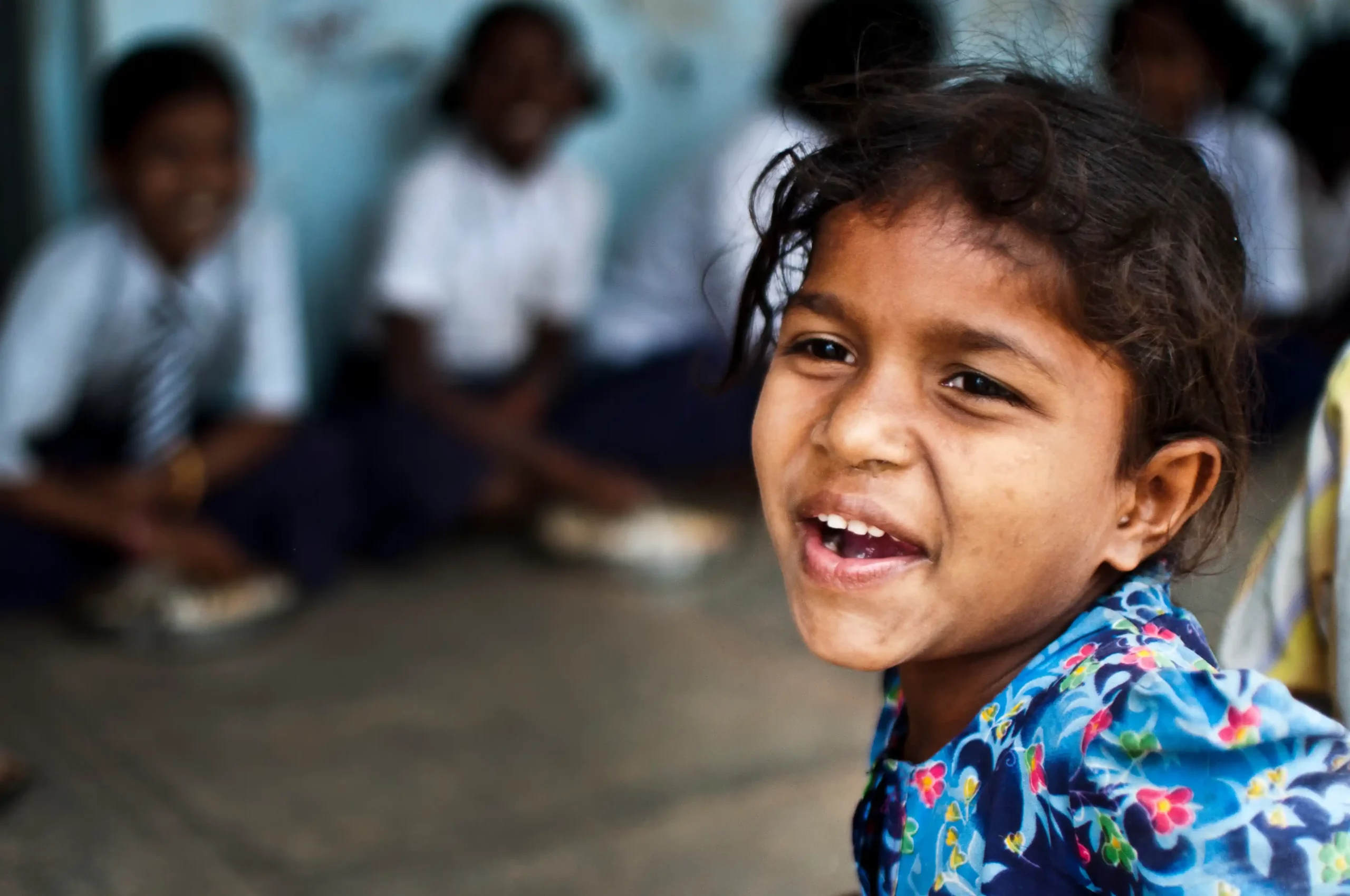
Child Participation: Why Every Child’s Voice Matters in Building a Better India
Children are affected by decisions made at home, in schools and across communities, yet their perspectives are not always included in those decisions....
Read More
Protecting childhood and ensuring every child has access to education, safety, and dignity is a fundamental responsibility of any society. In India, the Child Labour Amendment Act 2016 marks a significant step towards strengthening child rights and addressing the persistent issue of child exploitation.
By amending the original Child Labour (Prohibition and Regulation) Act of 1986, this legislation aligns India’s legal framework with international child rights standards while responding to the realities faced by millions of vulnerable children. The Act reinforces the principle that childhood should be spent learning and growing not working.
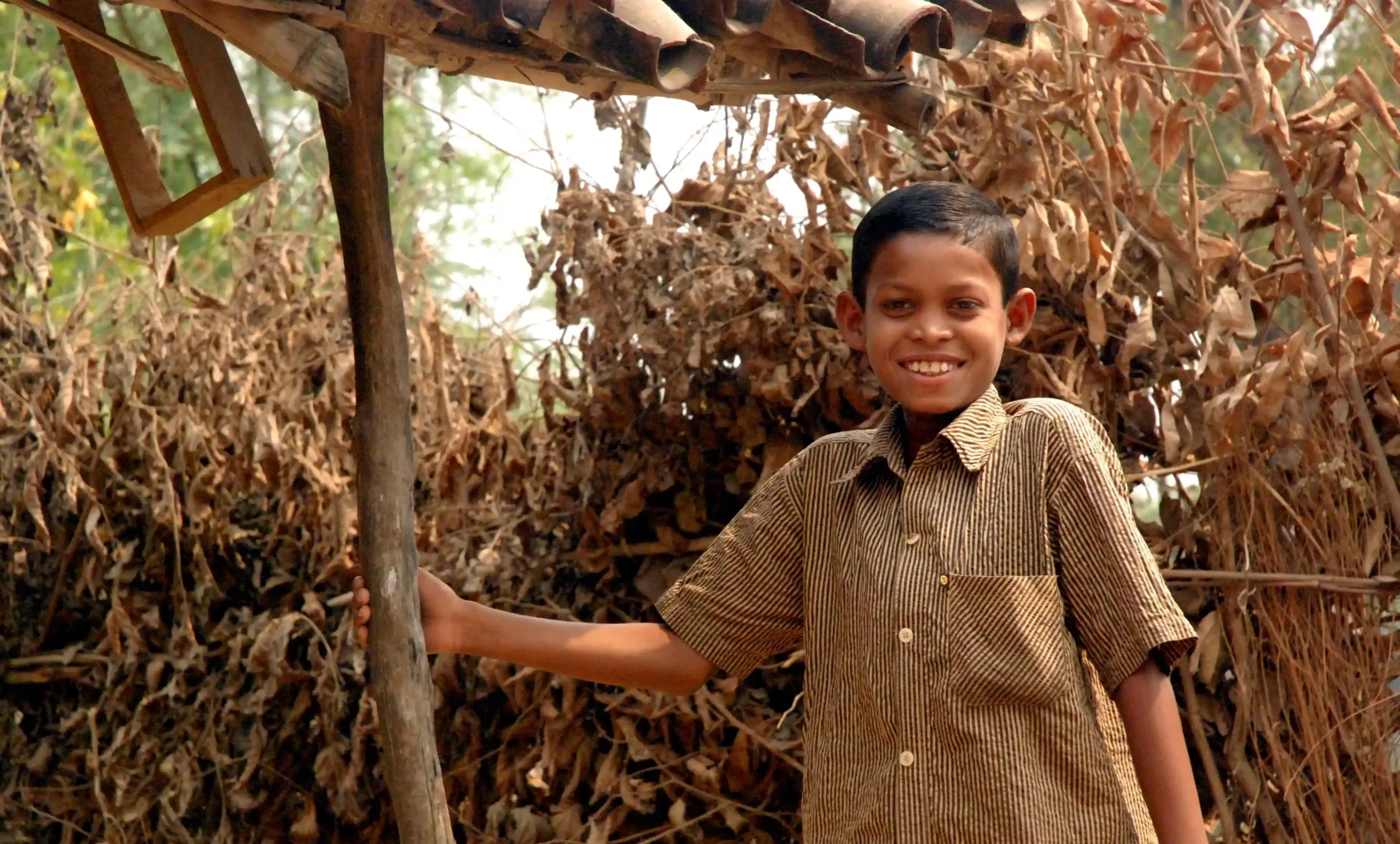
The child labour amendment act of 2016 is a legislative reform designed to protect children from harmful and exploitative work while ensuring their right to education and healthy development. It builds upon the Child Labour (Prohibition and Regulation) Act of 1986, addressing its limitations and closing loopholes that previously allowed exploitation to persist.
By clearly defining prohibited and permissible work, the child labour prohibition and regulation act 2016 provides a stronger, more comprehensive framework to safeguard children and adolescents across India.
The Act introduces several critical provisions. It prohibits all employment of children under the age of 14 across all occupations. Adolescents aged 14 to 18 are prohibited from working in hazardous occupations and processes.
The Act aligns with the Right to Education (RTE) Act, 2009, ensuring education takes precedence over work. To enforce compliance, it prescribes stringent penalties, including heavy fines and imprisonment for employers who violate the law.
Earlier laws such as the Factories Act, 1948 and the Mines Act, 1952 offered limited protection, covering only specific sectors. The 1986 Act attempted to unify these protections but fell short in addressing widespread exploitation.
Persistent child labour across industries, combined with pressure from civil society and international bodies, highlighted the need for reform. This led to the Child Labour Amendment Act 2016, paving the way for India’s ratification of ILO Conventions 138 and 182 in 2017.
Also Read: National Science Day
The Act establishes a clear framework distinguishing acceptable participation from exploitative labour, ensuring children are protected while allowing narrowly defined exceptions.
One of the strongest provisions of the child labour amendment act 2016 is its absolute ban on hazardous work. Children under 14 are prohibited from all forms of employment, while adolescents are barred from working in industries deemed dangerous to their physical or mental health.
This protects young people from long-term harm and unsafe working conditions, reinforcing the importance of a safe transition into adulthood.
The Act permits children to assist in family enterprises or work in the entertainment industry under strict conditions. Such work must be non-hazardous and must not interfere with schooling.
This provision is intended to allow skill development or cultural participation without compromising education or safety, though it requires careful monitoring to prevent misuse.
To act as a strong deterrent, the Act introduces tougher penalties. Employers who engage children illegally face significant fines and imprisonment. Repeat offenders are subject to even harsher punishment.
These provisions signal that violations of the child labour prohibition and regulation act 2016 are serious criminal offences, not minor infractions.
Also Read: Juvenile Justice Act
Effective enforcement requires coordinated action across institutions and communities.
Government agencies, including Labour Departments and Child Welfare Committees (CWCs), play a central role in enforcement. Special courts enable faster trials, while schemes like the National Child Labour Project (NCLP) support the rehabilitation of rescued children through education and skill training.
The Juvenile Justice Act further complements these efforts by recognising working children as those in need of care and protection.
NGOs such as CRY India (Child Rights and You) are vital in translating legislation into real change. CRY works closely with families, schools, Anganwadi centres, and local authorities to prevent child labour and reintegrate rescued children into education.
Through awareness campaigns and community engagement, NGOs help create environments where children’s rights are respected and upheld.
Also Read: Triple Burden of Malnutrition
Despite strong legislation, several challenges hinder full implementation.
Many families are unaware of the law or the long-term harm caused by child labour. Without understanding the importance of education and legal protections, children continue to be pushed into work. Awareness-building remains critical.
Rural and remote regions often face staff shortages, limited inspections, and low conviction rates. Child labour in informal sectors and domestic work remains difficult to detect without consistent monitoring.
Poverty remains the primary driver of child labour. For many families, a child’s income appears essential for survival. The family enterprise exemption is frequently criticised for being misused, allowing unsafe work to continue under legal cover.
Also Read: Nutritional Programmes in India
The Act prioritises children’s development over economic contribution. Children gain greater access to education and protection from hazardous environments.
While families may face short-term financial challenges, the long-term impact is positive breaking cycles of poverty through education and better employment opportunities in adulthood.
Also Read: How to Prevent Cyberbullying
CRY India has worked since 1979 to tackle the root causes of child labour, including poverty, lack of schools, and weak local systems.
In 2024–25 alone, CRY helped protect 32,472 children from child labour, trafficking, and child marriage. By strengthening community structures and government systems, CRY ensures the child labour amendment act is implemented effectively, helping children return to classrooms instead of workplaces.
Also Read: Protection of Child Rights Act
The Child Labour Amendment Act 2016 has significantly strengthened India’s legal framework for protecting children. However, laws alone cannot end child labour.
Sustained enforcement, universal access to quality education, community awareness, and collective responsibility are essential. With continued collaboration between the government, NGOs like CRY India, and the public, India can move closer to a future where every child’s rights and potential are fully protected.
The Act prohibits all employment of children under 14, introduces protections for adolescents aged 14–18, and significantly increases penalties. Unlike earlier laws, it offers nationwide coverage and stronger deterrents against exploitation.
The Act aligns with the Right to Education Act, ensuring children remain in school. Any permitted family work must only occur after school hours or during holidays, protecting a child’s right to learn.
Child labour causes physical injuries, long-term health issues, and emotional trauma. It disrupts mental development and traps children in cycles of exploitation, preventing healthy growth and learning.
The public can report child labour to authorities or CWCs, refuse to employ minors, raise awareness, and support organisations like CRY India that work to protect and rehabilitate affected children.
Children are affected by decisions made at home, in schools and across communities, yet their perspectives are not always included in those decisions....
Read More
Introduction to Social skills for children Children grow and learn not only through books and lessons but also through everyday interactions with ....
Read More All our efforts are made possible only because of your support
 Your donations are tax exempted under 80G of the Indian Income Tax Act
 Your donation transactions are completely safe and secure


Spread the word on social media and join the movement to raise awareness about the importance of girls completing their education.


Spread the word on social media and join the movement to end the shame around periods. #LetsTalkAboutPeriods