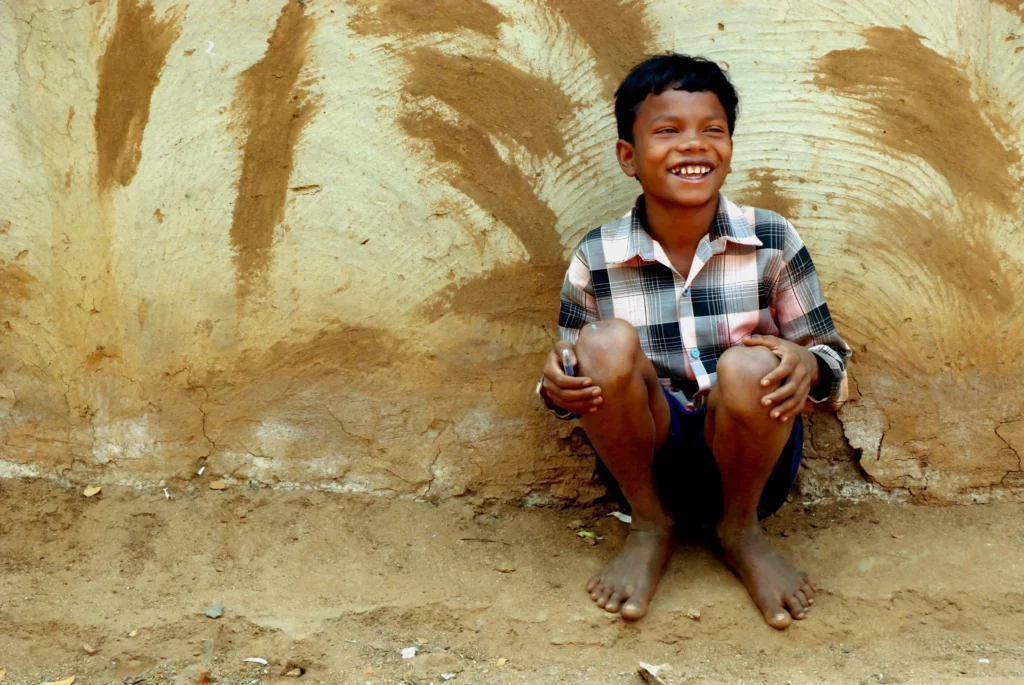
Clean Water and Children: Why Access to Safe Drinking Water Is a Child Right in India
Access to clean water in India is essential for every child's health, growth, and future. It protects children from disease, supports their education....
Read More
A healthy childhood lays the foundation for a healthier adult life. The food children eat, the healthcare they receive, the illnesses they are protected against and the emotional support they experience can influence their health for years to come. Yet, many children in India face barriers to proper nutrition, timely medical care and preventive health services. Understanding the importance of childhood healthcare helps families and communities make informed choices and ensure that every child has the opportunity to grow, learn and thrive.
Childhood healthcare lays the foundation for a healthy and fulfilling life. Proper care during these early years supports growth, learning and emotional well being.
Key areas of childhood healthcare include:
Also Read: https://www.cry.org/blog/marginalised-children-must-have-access-to-quality-healthcare/
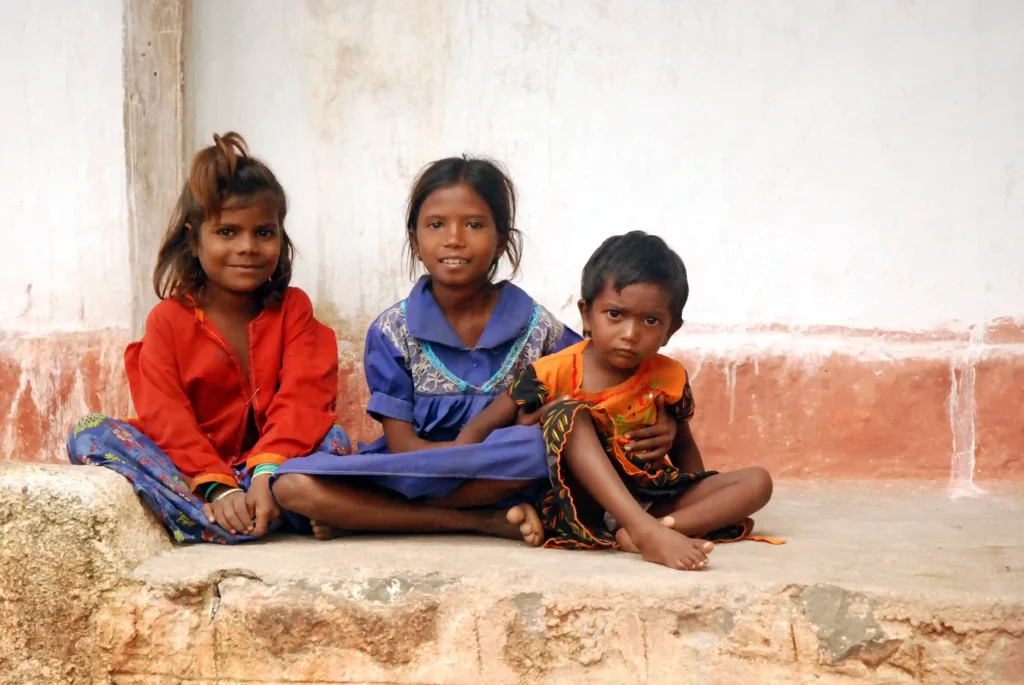
Following are the key areas of childhood healthcare:
Support CRY's Work for Children's Health
Good healthcare during childhood can influence physical health, emotional development and everyday habits. These ten areas show why early care matters throughout life.
The benefits of childhood vaccination include protection against serious infections and a lower risk of associated complications. High vaccination coverage also helps reduce the spread of certain diseases within communities. Parents should follow the recommended immunisation schedule and consult a qualified healthcare professional if a dose is missed or they have concerns about a vaccine.
Early nutrition is especially important during infancy. Appropriate feeding practices, including exclusive breastfeeding for the first six months where possible and complementary foods from around six months, support infant growth. Families should seek professional advice when feeding difficulties or growth concerns arise. Healthy habits established early can help children make informed food choices as they grow older.
Also Read: https://www.cry.org/blog/proper-nutrition-and-healthcare-are-essential-for-childrens-health/
Early intervention helps identify concerns when support may be most effective. Growth monitoring, immunisation, nutritional support and developmental assessments can help prevent complications or reduce their impact. Access to suitable healthcare also gives families practical guidance on feeding, hygiene and illness prevention. Timely care cannot prevent every future health problem, but it can improve children's chances of growing up healthy.
Poverty, limited healthcare facilities, distance, low awareness and the cost of treatment can prevent families from seeking timely care. Undernutrition, gaps in vaccination and shortages of trained health workers can add to these challenges. Community awareness and better access to essential services are important for reaching children who need support.
Also Read: https://www.cry.org/blog/child-mortality-rate-in-india-2026/
Every child deserves access to nutritious food, preventive care and timely medical support. By helping families understand children's health needs and improving access to essential services, communities can create better conditions for healthy growth. CRY's work on child health and nutrition reflects the importance of giving every child the chance to enjoy a safe, healthy childhood and build a stronger future.
Help Every Child Grow Up Healthy
Childhood healthcare supports physical growth, brain development, emotional well being and protection against preventable diseases. Timely medical care can identify concerns early, while good nutrition, vaccination and healthy daily habits can reduce certain health risks later in life.
Nutrition during childhood supports growth, brain development and immunity. Poor nutrition can affect development and may contribute to health problems later in life. A balanced diet, appropriate infant feeding and timely support for nutritional concerns help children establish a healthier foundation.
Yes, early healthcare can help reduce certain risk factors through nutritious food, physical activity, preventive care and early treatment of health concerns. However, it cannot guarantee freedom from chronic disease, as genetics, environment and lifestyle throughout life also influence health.
Positive childhood experiences can help children develop confidence, emotional regulation and healthy relationships. Persistent stress or untreated mental health concerns may affect development and later well-being. Supportive caregiving and timely professional help can make a meaningful difference.
Children should receive recommended vaccinations, eat a balanced diet, maintain good personal and dental hygiene, get adequate sleep and remain physically active. Regular health check-ups and timely medical advice also help identify concerns early and support healthy development.
Access to clean water in India is essential for every child's health, growth, and future. It protects children from disease, supports their education....
Read More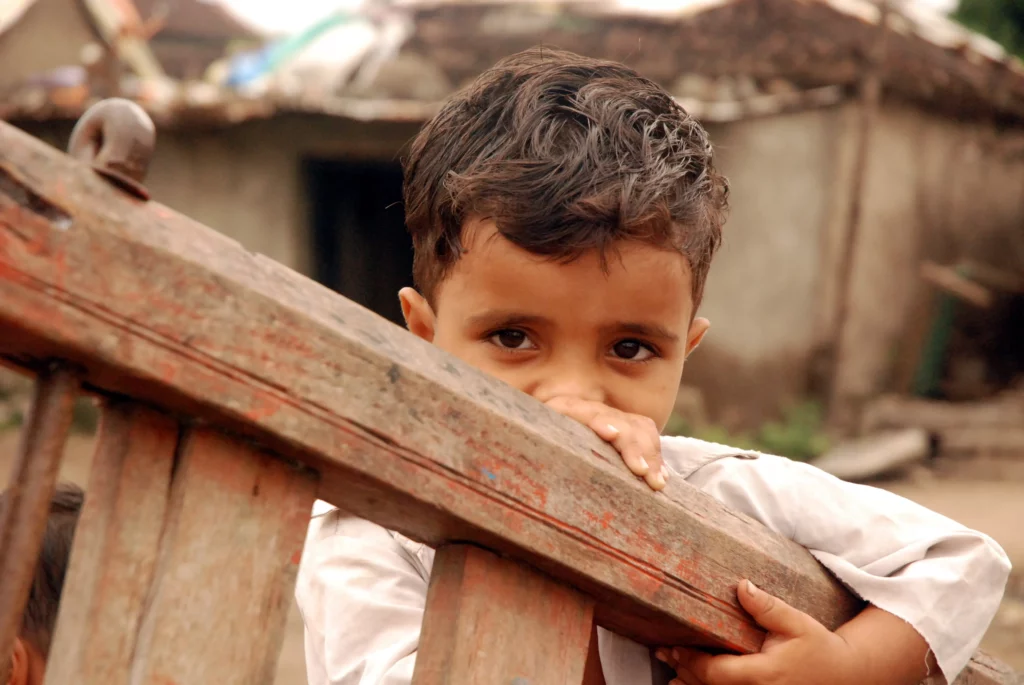
The child mortality rate continues to be one of the clearest indicators of a nation’s health and development. According to recent global estimates,....
Read More All our efforts are made possible only because of your support
 Your donations are tax exempted under 80G of the Indian Income Tax Act
 Your donation transactions are completely safe and secure


Spread the word on social media and join the movement to raise awareness about the importance of girls completing their education.


Spread the word on social media and join the movement to end the shame around periods. #LetsTalkAboutPeriods